Is a sunroom worth it? See the costs, comfort factors, and value a well-planned sunroom can bring to homes in Mobile and Baldwin Counties, Alabama today.
Exterior Painting Company Fairhope AL Homeowners Trust
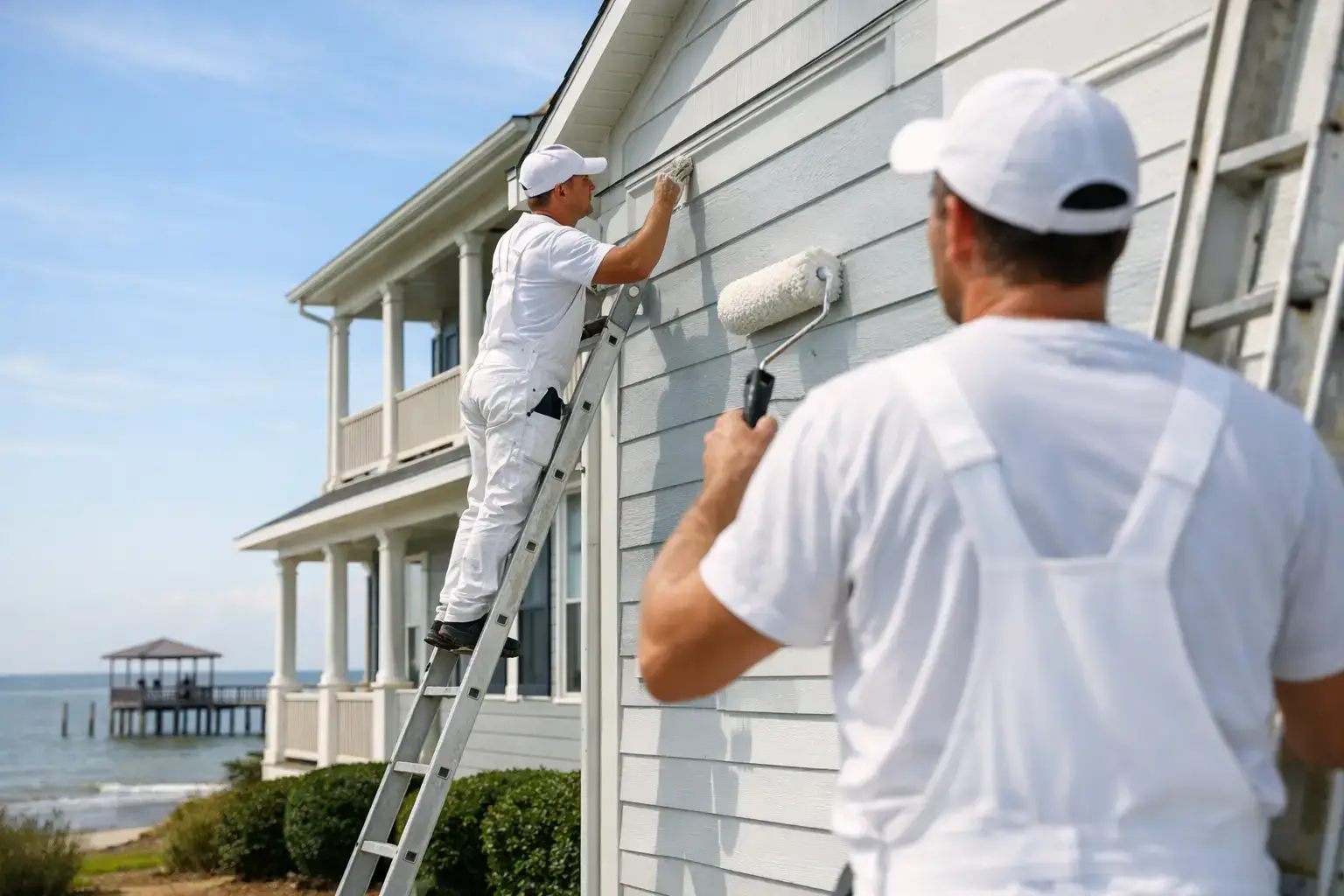
Salt air, strong sun, humidity, and sudden Gulf Coast rain can make a home’s exterior look tired long before its time. Choosing an exterior painting company Fairhope AL homeowners can rely on is not simply about getting a fresh color. It is about protecting the siding, trim, porches, and other exterior details that make your home feel cared for.
A quality exterior paint job starts well before the first coat goes on. The right contractor takes time to understand the condition of the home, explain what needs attention, prepare every surface correctly, and keep you informed from estimate to final walkthrough. That level of care matters whether you own a newer home near the bay or a historic property with original woodwork that deserves a more careful approach.
Why Fairhope Homes Need More Than a Quick Coat of Paint
Fairhope’s coastal climate is beautiful, but it is demanding on exterior finishes. Moisture can lead to mildew and peeling paint. Direct sunlight can fade darker colors and break down lower-quality coatings. Wind-driven rain can work its way into small cracks around trim, windows, doors, and siding.
Painting over those issues may make a home look better briefly, but it does not solve the underlying problem. If deteriorated caulk, loose paint, soft wood, or exposed nail heads are ignored, the new finish may fail early. In some cases, a painting project reveals maintenance needs that should be addressed before painting begins.
This is why preparation should be a major part of the conversation when comparing contractors. A dependable painter will assess the condition of the exterior and discuss what is cosmetic versus what requires repair. Honest communication at this stage helps homeowners avoid surprises later.
What a Fairhope Exterior Painting Company Should Include
An exterior painting proposal should be clear enough that you understand what will happen at your home. The lowest number is not always the best value, especially if the estimate does not explain the prep work, materials, repairs, or number of coats included.
A thorough scope of work often includes washing surfaces to remove dirt, pollen, mildew, and chalking paint. It should address scraping and sanding loose or failing paint, priming bare wood or repaired areas, and caulking gaps where appropriate. The crew should also protect landscaping, windows, walkways, decks, and outdoor furniture before work begins.
Paint selection matters as well. The right product depends on the material being painted. Wood siding, fiber cement, brick, stucco, shutters, and metal railings may each require a different approach. A professional should be able to explain why a particular primer or finish is recommended rather than treating every surface the same.
Two finish coats are often the right choice for long-term coverage and color consistency, but the condition of the existing paint, the selected color, and the product being used can affect the plan. A good contractor will set clear expectations instead of making blanket promises without seeing the property.
Preparation Is Where a Paint Job Earns Its Value
Homeowners naturally focus on the final color, but surface preparation has the greatest impact on how long the paint lasts. Paint needs a clean, dry, sound surface to bond properly. When it is applied over peeling layers, moisture-damaged wood, or dirty siding, it has little chance of performing as it should.
Careful prep also improves the appearance of the finished work. Sanding rough edges helps repaired areas blend in. Proper caulking creates cleaner lines around trim and helps keep water out of vulnerable gaps. Spot priming prevents bare wood and patched areas from absorbing finish paint unevenly.
For older homes, preparation requires even more patience. Historic wood siding, original window trim, and detailed porch elements can be damaged by rushed scraping or overly aggressive pressure washing. These homes need contractors who understand that preserving sound material is just as important as producing a clean final finish.
Integrity Remodeling & Construction brings 30 years of construction experience to improvement projects throughout Mobile and Baldwin Counties, helping homeowners address both the appearance and the condition of their exterior surfaces.
Choosing Colors That Work With Your Home and Setting
Color can change the entire character of a home, but the best choice is rarely made from a small paint chip alone. Look at samples outdoors at different times of day. Morning light, afternoon sun, shade from mature trees, and the color of nearby brick or roofing can all change how a color appears.
Many Fairhope homeowners choose classic exterior palettes that feel at home in the area: warm whites, soft grays, muted blues, coastal greens, and balanced neutral tones. That does not mean every home needs to look the same. A stronger front-door color or contrasting shutter color can add personality without overwhelming the architecture.
If your home is in a neighborhood with an architectural review board or homeowners association, confirm color requirements before materials are ordered. For historic homes, it is also wise to consider the period and original architectural features. The goal is not to make an older home look new, but to help its best details stand out.
Darker colors can be striking, though they often show fading sooner in intense sun. Very bright whites may emphasize dirt or mildew in shaded, humid areas. A contractor who listens to your priorities can help you balance style, maintenance, and durability.
Questions to Ask Before Hiring a Painter
A professional contractor should be comfortable answering direct questions. Ask how the exterior will be cleaned and prepared, what repairs are included, which paint products will be used, and how the crew will protect your property. You should also ask who will manage the project and how updates will be communicated if weather changes the schedule.
It is reasonable to ask whether the company has experience with your type of home. A newer fiber-cement exterior and a century-old wood-sided house do not present the same challenges. If repairs are needed, working with a contractor who can handle construction details as well as painting can simplify the process and reduce coordination between multiple companies.
Pay attention to how the estimate is explained. A contractor who is vague before work begins may not become clearer once the project is underway. Homeowners deserve straightforward answers, a defined scope, and dependable follow-through.
Timing an Exterior Painting Project Around Gulf Coast Weather
Weather affects both scheduling and paint performance. The exterior must be dry enough for painting, and coatings need proper temperature and humidity conditions to cure. A reliable crew watches the forecast and adjusts responsibly rather than painting into rain or applying coatings to damp surfaces just to stay on schedule.
Spring and fall are popular times for exterior work because temperatures are often more moderate, but summer projects can be completed successfully with careful planning. Early starts, attention to changing weather, and proper dry-time allowances can make a meaningful difference. The best time for your project depends on the condition of your home, the type of repairs needed, and the contractor’s availability.
If you see widespread peeling, bare wood, cracking caulk, or moisture staining, waiting for a perfect season may not be the best choice. A professional assessment can help determine whether immediate repairs and protection are needed before more extensive damage occurs.
A Better Experience Comes Down to Communication
An exterior painting project affects daily life. Vehicles may need to be moved, gates opened, pets kept inside, and outdoor spaces temporarily cleared. Good project management helps make those disruptions manageable.
Before work begins, you should know when the crew expects to arrive, what areas will be worked on first, and what you need to do to prepare. During the project, updates should be practical and timely, especially when weather or repairs affect the plan. At completion, a walkthrough gives you the opportunity to review the work and point out any areas that need attention.
The goal is not merely a home that photographs well on the final day. It is a finish applied with care, repairs handled honestly, and a process that leaves you confident in the investment you made. When you choose a contractor who values craftsmanship and clear communication, your home is better positioned to stand up to the Fairhope climate and welcome you home for years to come.
Related Posts