Is a sunroom worth it? See the costs, comfort factors, and value a well-planned sunroom can bring to homes in Mobile and Baldwin Counties, Alabama today.
Historic Home Remodeling in Mobile AL Done Right
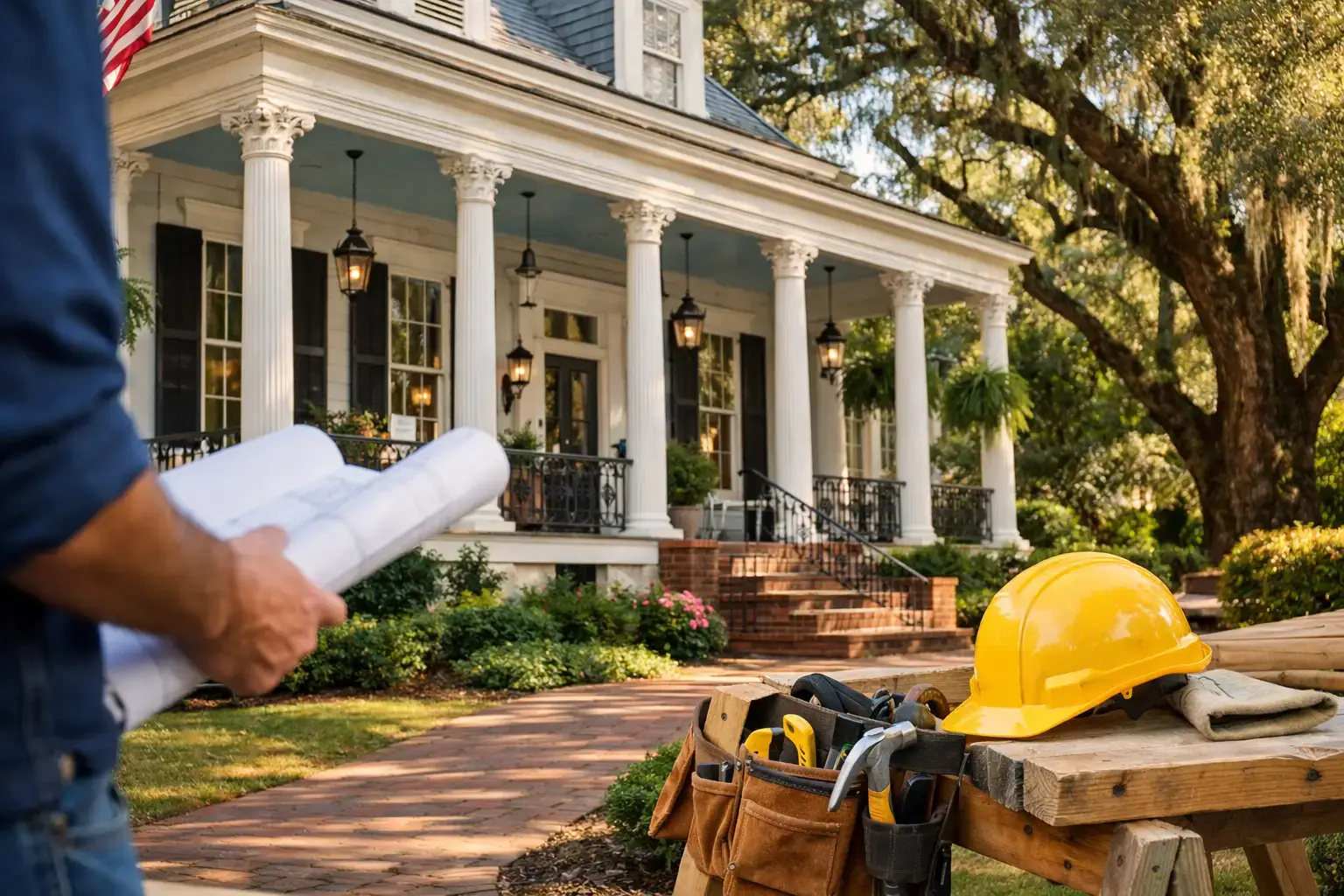
A historic home can tell you what it needs if you know where to look. A window that sticks may point to years of settling, moisture damage, or a simple repair that should not be replaced. A soft porch board may be isolated rot, or it may reveal a drainage issue below. For historic home remodeling in Mobile AL, the best results come from respecting those details before making major changes.
Older homes across Mobile often have features worth protecting: tall windows, original millwork, heart pine floors, broad front porches, plaster walls, and room layouts shaped by another era. They also have practical needs. Families want more functional kitchens, comfortable bathrooms, better storage, efficient windows, and systems that support everyday living. A careful remodel can provide both preservation and comfort without making a historic home feel like a new house wearing old clothes.
Start With the Home, Not the Wish List
Every good historic remodeling project begins with a thorough look at the existing structure. Before choosing cabinets, paint colors, or flooring, a contractor should understand the condition of the foundation, framing, roofline, exterior siding, windows, plumbing, electrical system, and areas affected by moisture.
That step matters in Mobile’s climate. Heat, humidity, heavy rain, wind-driven storms, and termite exposure can take a quiet toll over decades. Paint failure may be more than a cosmetic issue. It can allow water into wood siding or trim. An uneven floor may be caused by normal age, but it can also signal a framing or moisture problem that needs attention before new finishes are installed.
A clear assessment helps homeowners set priorities. Sometimes the right first investment is exterior repair and weather protection. In other homes, an outdated kitchen or bathroom can move forward once the underlying structure is confirmed to be sound. Honest communication at this stage prevents a project from being built on assumptions.
Preserve Character Where It Counts
Historic remodeling is not about saving every old material regardless of its condition. It is about making thoughtful decisions about what gives the home its character and what needs to change for safety, durability, and daily use.
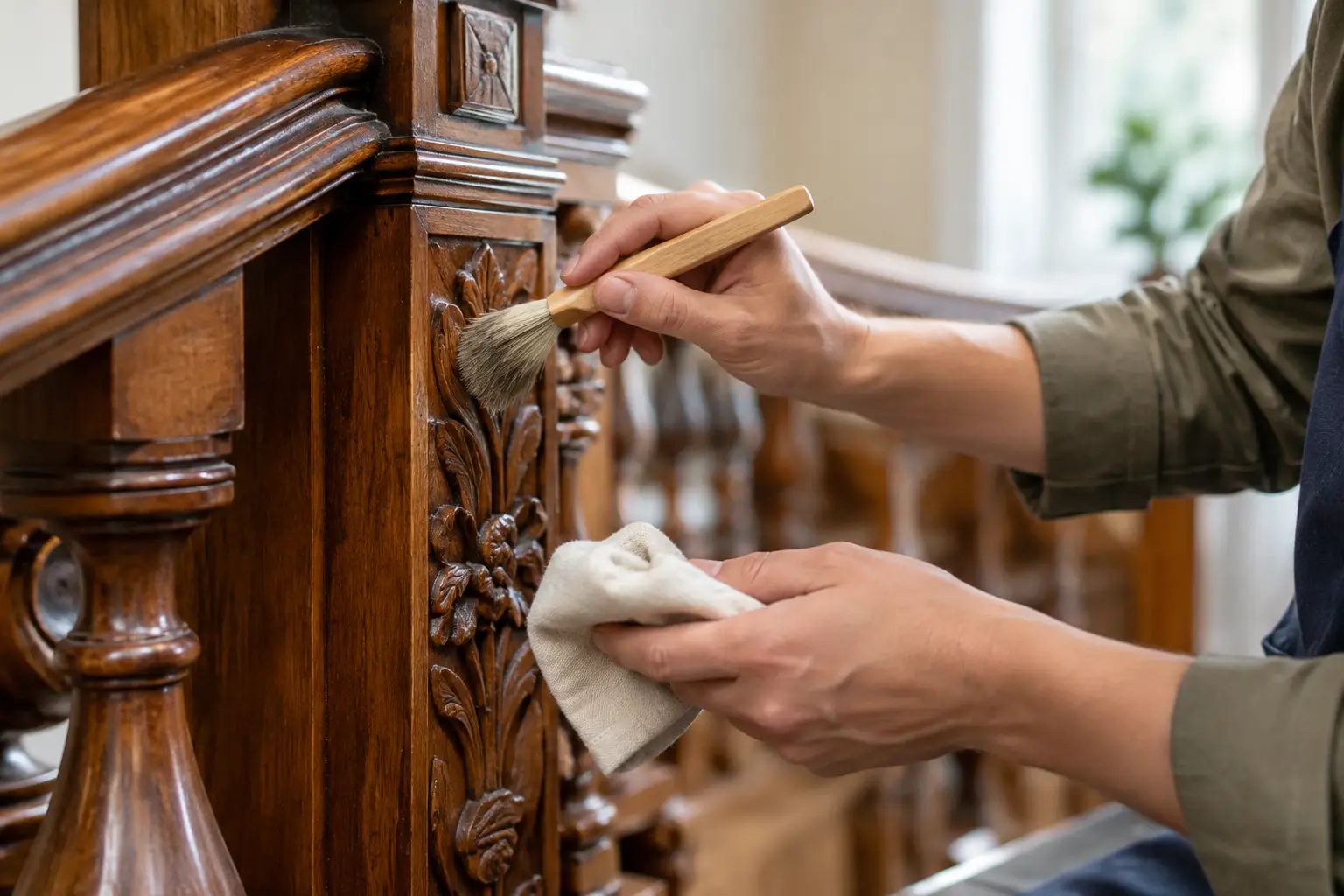
Original doors, trim, floors, built-ins, porch columns, and windows can often be repaired or incorporated into a new design. Keeping these elements may preserve the home’s proportions and craftsmanship while adding value that cannot be duplicated with off-the-shelf materials. In many cases, repair is the better choice when the original material is solid and the issue is limited to worn finishes, damaged glazing, localized rot, or hardware.
Replacement is sometimes the responsible choice. A severely deteriorated window, unsafe staircase, failing floor system, or water-damaged wall may not be practical to preserve. The goal should be to select replacement materials and details that fit the home’s scale, texture, and style. A too-modern profile, oversized opening, or mismatched trim can stand out immediately on an older home.
Historic Home Remodeling in Mobile AL Requires a Practical Plan
A detailed scope of work is one of the strongest protections a homeowner can have. Historic homes frequently reveal conditions that are not visible during an initial walkthrough. Old repairs may be hidden behind paneling. Layers of flooring can conceal uneven subfloors. A wall opened for new wiring may expose outdated plumbing or framing that needs correction.
That does not mean every historic renovation has to become unpredictable. It means the plan should allow room for responsible decisions. Before work begins, homeowners should understand the intended scope, the materials being considered, the project sequence, and how changes will be handled if an unexpected condition is found.
For homes located in a designated historic district, exterior changes may require additional review or approval. Requirements can vary based on the property, the district, and the type of work proposed. It is wise to confirm those requirements early, especially when changing windows, doors, siding, porches, roof features, or visible additions. Waiting until materials are ordered can create avoidable delays.
Permits may also be needed for structural, electrical, plumbing, or major renovation work. A dependable contractor helps organize the process and communicates clearly about what is required for the project at hand.
Budget for the Parts You Cannot See
A historic-home budget should include more than finishes. Kitchens and baths are often the most visible parts of a renovation, but the work behind the walls may be just as important. Updating electrical service, replacing old plumbing lines, improving drainage, repairing framing, or addressing ventilation can protect the investment in new cabinets, tile, paint, and fixtures.
A contingency is sensible when work involves older walls, floors, or foundations. The right amount depends on the home’s condition and the size of the project, but homeowners should not spend every available dollar on finish selections before the necessary repairs are understood. A well-managed project keeps the budget visible and discusses options before additional work moves forward.
Update Kitchens and Bathrooms Without Losing the House
A historic kitchen does not have to remain cramped and difficult to use. The challenge is improving workflow without erasing the rooms and details that make the home distinct. In some cases, opening a wall makes sense. In others, preserving a partial separation between rooms better suits the home’s layout and keeps structural changes more manageable.
Cabinet design can bridge old and new. Classic door styles, carefully chosen hardware, durable countertops, and lighting with an appropriate scale can feel natural in an older home while still providing the storage and function a modern household needs. Keeping an original doorway, built-in, or window opening may give the finished kitchen more personality than a fully standardized layout.
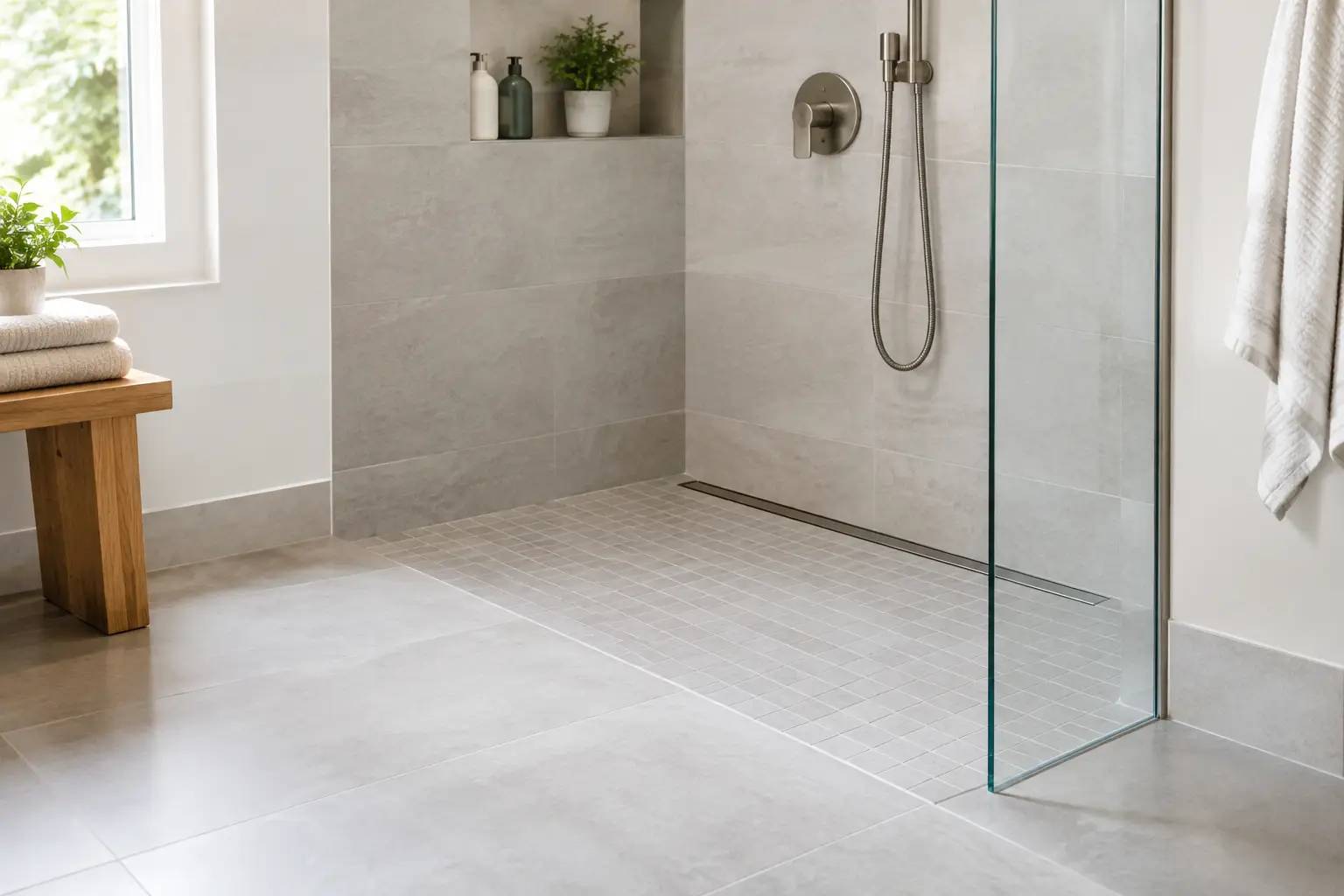
Bathrooms often require a similar balance. Homeowners may need safer showers, improved ventilation, better lighting, and more accessible layouts. These upgrades can be paired with tile, vanities, fixtures, and trim that complement the home’s period without turning the room into a museum display. The best choice depends on how the bathroom will be used now and in the years ahead.
Add Space With Respect for Proportion
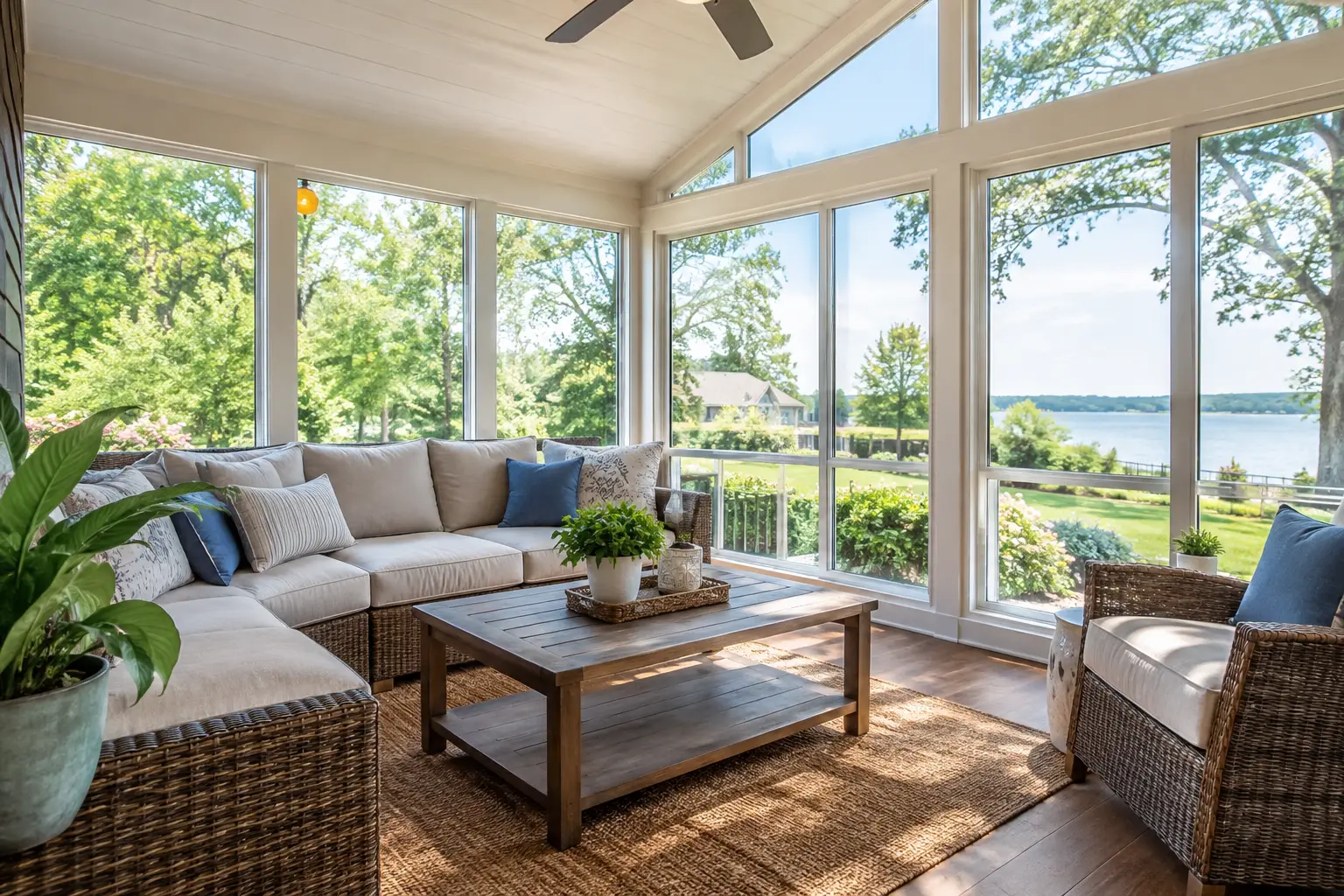
Additions, sunrooms, and enclosed porch projects can make a historic property more livable, especially for growing families or homeowners planning to age in place. But an addition should support the original home rather than compete with it.
Placement is often more important than size. A rear addition may preserve the street-facing character of the house. Matching rooflines, window proportions, siding details, and trim can help the new work feel connected without pretending it is original. Interior transitions matter, too. A thoughtful opening between old and new spaces can preserve the feeling of the existing home while making movement through the house easier.
Protect the Exterior Before It Becomes a Bigger Repair
The exterior is a historic home’s first line of defense. Siding, trim, porches, windows, paint, gutters, and grading all work together to manage water. When one part fails, the resulting damage can spread into framing, insulation, and interior finishes.
Regular maintenance is not glamorous, but it is less expensive than extensive restoration. Watch for peeling paint, cracked caulk, soft wood, loose boards, clogged gutters, standing water near the foundation, and gaps around windows and doors. Addressing these concerns early helps preserve original materials and gives homeowners more flexibility in future remodeling decisions.
Older homes may also contain lead-based paint or other materials that require careful handling during demolition and preparation. A professional approach protects the work area and keeps the project moving with appropriate care.
Choose a Contractor Who Communicates Clearly
Craftsmanship is essential, but so is the experience of getting the work done. Historic projects require homeowners to make decisions along the way, and they deserve a contractor who returns calls, explains options plainly, respects the property, and follows through on commitments.
Ask how the contractor evaluates existing conditions, documents the scope, manages change requests, protects original features, and coordinates work from start to finish. Look for experience with older homes, but also pay attention to whether the contractor listens to your goals. A beautiful result means little if the process is confusing or the home no longer works for your family.
With 30 years of construction experience, Integrity Remodeling & Construction approaches historic homes with the care, planning, and dependable service these projects deserve. The right remodel does more than refresh a house. It lets your home keep its history while serving the people who live there now.
Related Posts