Is a sunroom worth it? See the costs, comfort factors, and value a well-planned sunroom can bring to homes in Mobile and Baldwin Counties, Alabama today.
Historic Restoration vs Renovation Explained
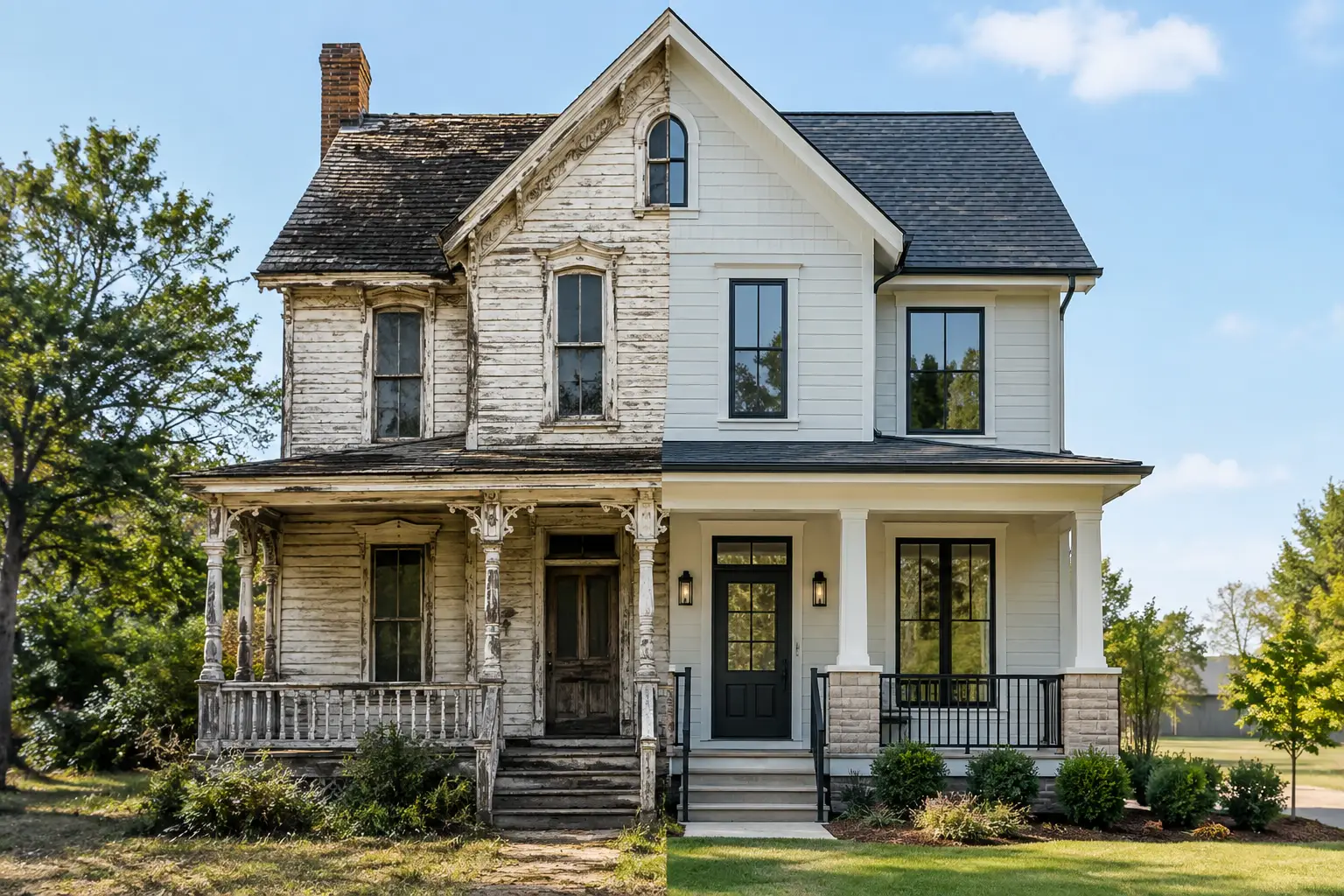
A 1920s bungalow with original heart-pine floors and a wide front porch does not need the same approach as a newer home with a dated kitchen. That is where historic restoration vs renovation becomes more than a wording choice. The decision affects what materials are saved, what changes are appropriate, how the work is planned, and how the finished home feels for years to come.
For homeowners in Mobile and Baldwin Counties, older homes can be a source of pride as well as a significant responsibility. Their details often cannot be replaced with an off-the-shelf product. A careful plan protects the character that made you love the house while addressing the practical needs that make it work for your family.
Historic Restoration vs Renovation: The Core Difference
Historic restoration aims to return a home, room, or architectural feature to a documented earlier appearance. The emphasis is on accuracy. That may mean repairing original wood windows, matching historic trim profiles, restoring a porch railing based on old photographs, or removing a later alteration that does not fit the home’s original design.
Renovation improves a space for current use. It may preserve selected historic features, but it allows for more freedom in layout, materials, finishes, and systems. A renovated historic kitchen, for example, might keep original flooring and cabinetry proportions while adding modern appliances, better lighting, durable countertops, and concealed storage.
Neither approach is automatically better. Restoration is right when historical accuracy and preservation are the main goals. Renovation is often the better choice when a family needs a more functional layout, improved accessibility, updated plumbing or electrical work, or better energy performance. Many successful projects use a thoughtful combination of both.
What Restoration Usually Requires
A true restoration begins with research and inspection, not demolition. Before work starts, a contractor should identify what is original, what has been altered, and what can be repaired rather than replaced. Old paint layers, wood species, hardware, window profiles, and framing methods can all tell part of the story.
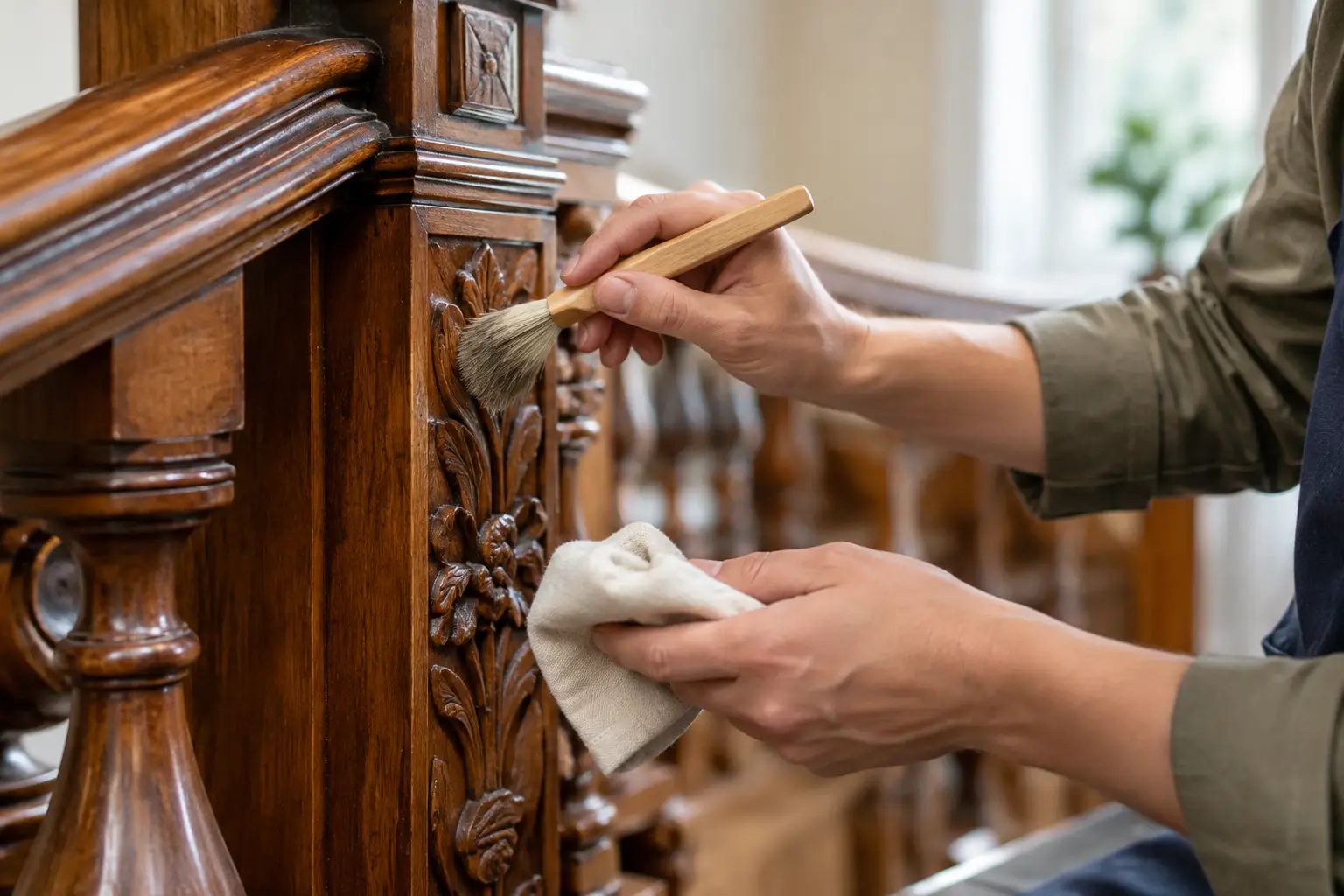
The work may involve repairing plaster instead of covering it with drywall, rebuilding deteriorated millwork to match an existing profile, or carefully restoring wood siding where only damaged sections are removed. These projects often require more labor than a standard remodel because the goal is to retain original material whenever it is sound enough to serve the home.
That does not mean every old element must stay. Hidden structural damage, unsafe wiring, active moisture problems, and failed plumbing need to be corrected. Preservation should never mean leaving a home unsafe or difficult to maintain. The key is to make necessary repairs with respect for the building’s original construction and appearance.
When historical rules may affect the work
If a home is located in a designated historic district or is subject to local review requirements, exterior changes may need approval before construction begins. Requirements vary by location and may apply to windows, siding, roofing, porches, additions, paint colors, or demolition.
Interior work is often less restricted, but homeowners should not assume that is always the case. Checking the applicable local requirements early prevents costly redesigns or delays. It also helps set realistic expectations for materials, timing, and budget.
When Renovation Makes More Sense
Many older homes were built for a different way of living. Kitchens were smaller, bathrooms were limited, closets were scarce, and rooms were more closed off. A renovation can solve those problems without stripping the home of its character.
For example, a homeowner may want to open a kitchen to a family room. In some homes, removing a wall is practical with the right structural support. In others, a full open concept would erase defining features or create a layout that feels out of place. A better solution may be a widened cased opening, a pass-through, or a carefully designed addition that creates new living space while preserving the original rooms.
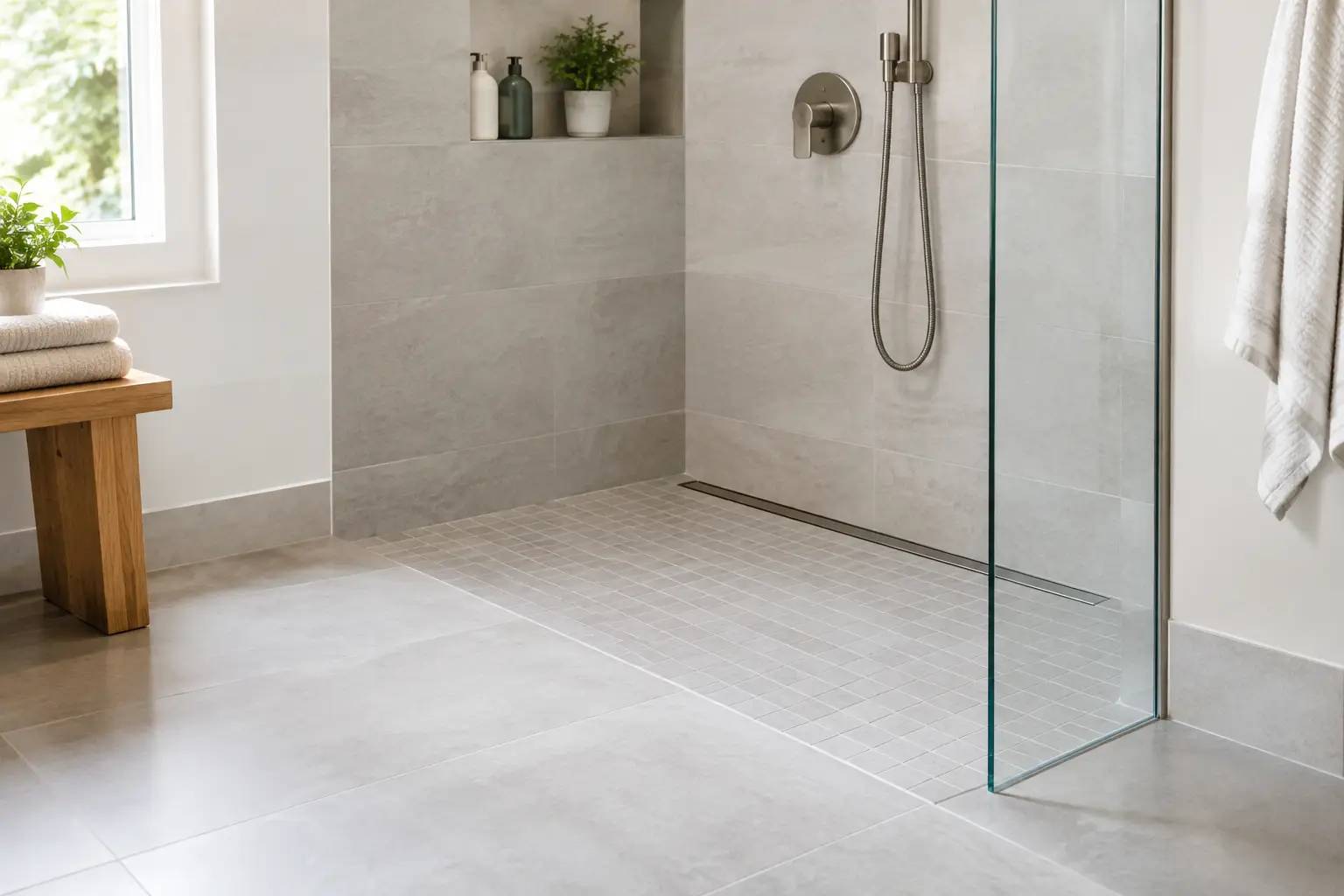
Renovation is also often the practical path for bathrooms. A historic bathroom can retain its charm through tile choices, period-appropriate fixtures, and thoughtful trim details while gaining a walk-in shower, wider doorway, improved ventilation, and safer lighting. For retirees aging in place, those updates can make a beloved home more comfortable without requiring a move.
The Trade-Offs Homeowners Should Expect
Historic work has real benefits, but it also comes with constraints. Repairing original materials can cost more than replacement because skilled labor and custom fabrication take time. Matching old siding, trim, brick, hardware, or windows may require specialty sourcing. Once walls or floors are opened, hidden conditions can also change the scope.
Renovation generally offers more predictable options, especially when using readily available materials. It can improve daily function and may make maintenance easier. The trade-off is that broad changes can reduce the details that give an older home its value and personality. Replacing every original window, door, and trim board may make a project move faster, but it can leave the house looking less like itself.
The best decision usually comes from ranking priorities. If preserving original craftsmanship is at the top of the list, restoration should guide the project. If your household needs more storage, accessible spaces, or room to gather, renovation may take the lead. If both matter, establish which elements are non-negotiable before design begins.
A Practical Way to Plan an Older-Home Project
Start by walking through the home with a clear eye. Identify what you love, what is damaged, and what no longer supports how you live. Original floors, staircases, fireplaces, doors, trim, and porches are often strong candidates for preservation. Leaky windows, worn-out systems, unsafe stairs, and poorly planned kitchens may need more substantial work.
Next, separate cosmetic concerns from building concerns. A room may look dated because of paint and fixtures, but the larger issue could be water intrusion, inadequate electrical capacity, uneven framing, or a foundation repair. Addressing the building first protects every finish that follows.
It is also wise to set a contingency amount in the budget. Older homes regularly hold surprises behind walls and beneath floors. Honest communication matters most when those conditions appear. You should understand what was found, why it matters, what options are available, and how each option affects cost and schedule.
Choose materials that respect the house
Respecting a historic home does not require turning it into a museum. It means selecting materials that fit the scale, texture, and quality of the original construction. Wood repair may be a better fit than a plastic substitute in a visible historic detail. A modern window may be appropriate in a new addition, while a repair or historically compatible replacement may better serve the original front elevation.
The same thinking applies inside. Cabinetry, tile, lighting, and hardware can be updated without looking disconnected from the rest of the house. Good design creates a natural transition between old and new rather than making either feel like an afterthought.
Why Experience Matters in Historic Home Work
Older houses do not always reveal their condition at first glance. Walls may have been moved more than once. Previous repairs may be hiding rot or structural issues. Original details may be worth saving even when they first appear worn beyond use.
A contractor experienced with historic homes knows when to slow down, investigate, and offer solutions that balance preservation with performance. That same contractor should also keep the project organized, explain decisions plainly, and treat your home with care. Quality craftsmanship and dependable project management are not separate concerns – both are necessary when the work is complex.
Integrity Remodeling & Construction approaches historic home projects with that balance in mind: respect for the existing home, practical recommendations for the people living in it, and clear communication from planning through completion.
Before making a final choice, stand in the room or on the porch that prompted the project. Ask what deserves to be protected, what needs to work better, and what will help you enjoy the home for the next chapter of its life. The right plan should honor all three.
Related Posts