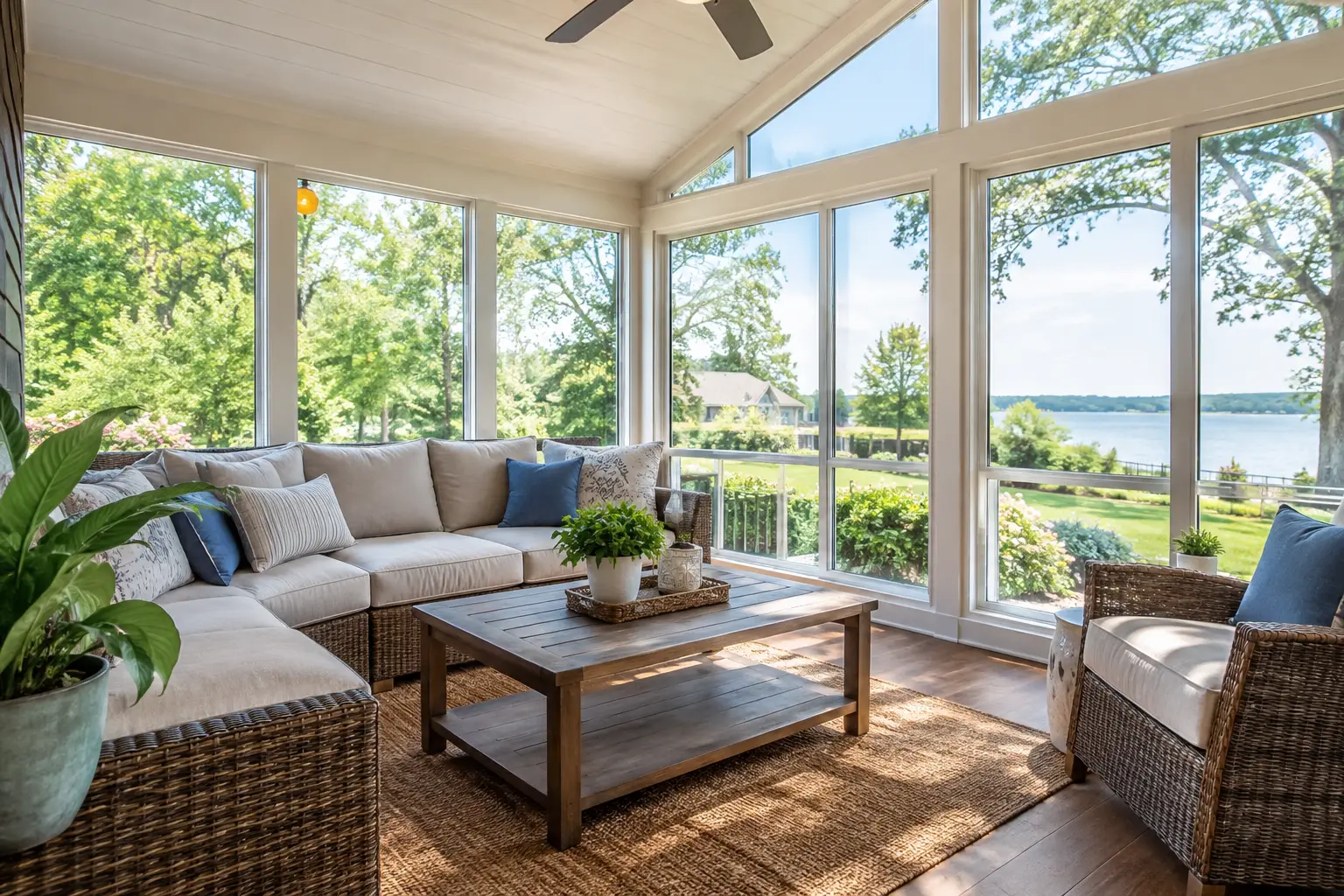
Is a sunroom worth it? See the costs, comfort factors, and value a well-planned sunroom can bring to homes in Mobile and Baldwin Counties, Alabama today.
How to Protect Historic Woodwork Without Losing Its Character
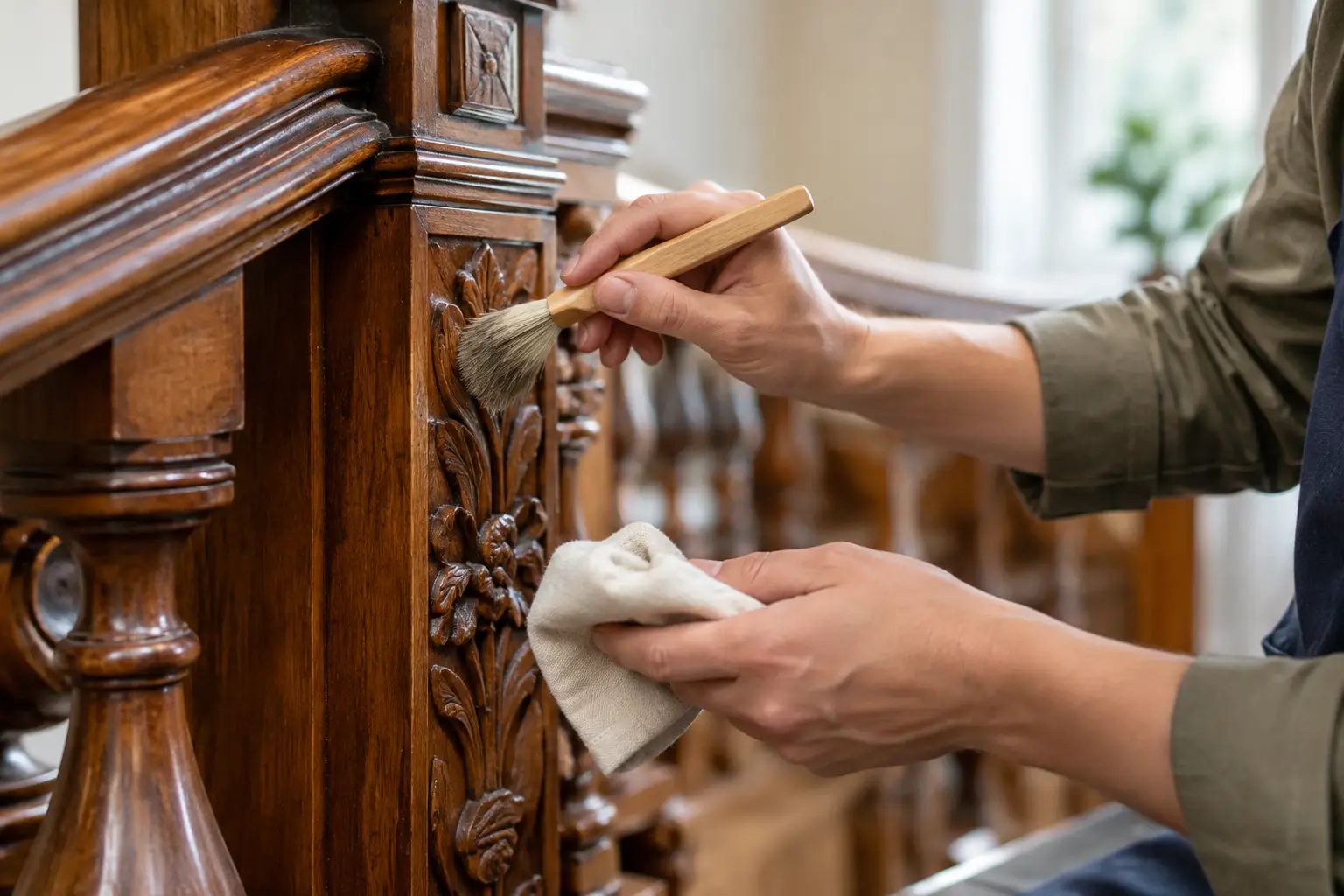
Original woodwork carries the marks of a home’s history: the tight grain of old-growth lumber, hand-shaped trim profiles, solid doors, porch columns, and details that cannot be replaced with an off-the-shelf product. Knowing how to protect historic woodwork means resisting the urge to cover, strip, or replace it too quickly. The goal is to keep as much original material as possible while correcting the conditions that cause damage in the first place.
For homeowners across Mobile and Baldwin Counties, that work often starts with moisture. Gulf Coast heat, humidity, driving rain, and termites can take a hard toll on exterior wood, while interior trim can suffer from roof leaks, plumbing failures, and years of heavy paint buildup. A careful approach protects both the craftsmanship and the value of the home.
How to Protect Historic Woodwork Starts With Diagnosis
Before any sanding, painting, or repair begins, determine what is actually happening to the wood. Peeling paint, dark staining, soft spots, split boards, and insect damage may look similar from a distance, but they call for different repairs. Repainting a damp window sill, for example, may make it look better briefly while the wood underneath continues to deteriorate.
Walk around the home after a hard rain and look for water patterns. Check where gutters overflow, where rooflines drain onto trim, and where soil or mulch touches siding. Inside, inspect window and door casings for discoloration, swollen joints, or paint that is separating from the surface. A musty odor around a wall or porch ceiling also deserves attention.
Historic wood is often better than homeowners expect. Old cypress, heart pine, and dense old-growth lumber can remain serviceable long after newer materials would have failed. Softness in one lower porch column or a small section of sill does not automatically mean the entire piece needs to be removed. Accurate diagnosis is what keeps a manageable repair from becoming an unnecessary replacement project.
Keep Water Away Before You Repair the Wood
Moisture management is the most effective form of preservation. If water has a reliable path into the wood, even the best primer and paint system will eventually fail. Start at the top of the house by keeping roofing, flashing, gutters, and downspouts in good working order. Downspouts should carry water away from the foundation instead of dumping it beside exterior walls.
Pay close attention to joints, end grain, and horizontal surfaces. These areas absorb water faster than the flat face of a board. Porch rails, stair components, window sills, decorative brackets, and the bottoms of columns are common trouble spots because they hold water or receive repeated exposure to rain.
Landscaping matters, too. Shrubs growing tightly against siding trap humidity and make inspections difficult. Mulch piled against wood creates a path for moisture and insects. Leave room for air movement and maintain a visible gap between the soil and exterior wood elements.
In coastal Alabama, homeowners should also watch for wind-driven rain. Caulk can help seal appropriate gaps around trim, but caulk is not a cure for a failed flashing detail or a board that has no way to drain and dry. Sealing every opening without understanding how the assembly handles moisture can trap water where it does more harm. The right repair depends on the location, material, and cause of the leak.
Clean Gently and Preserve the Existing Finish
Historic woodwork does not need aggressive cleaning to look cared for. For interior trim, a soft cloth, mild cleaner, and light touch are usually enough to remove surface dirt. Harsh solvents, abrasive pads, and repeated heavy scrubbing can dull old finishes and wear through decorative paint layers.
Exterior wood needs regular inspection and gentle cleaning to remove mildew, dirt, and loose debris. Avoid blasting historic siding, trim, or porch details with a high-pressure washer. Water can be forced behind boards and into joints, while the pressure itself can damage soft wood fibers and loosen sound paint.
When paint is still well bonded, it is often better to clean the surface, scrape only loose material, feather the edges, spot-prime exposed wood, and repaint. Full stripping may be appropriate in limited cases, but it brings risks. Heat, harsh chemical strippers, and aggressive sanding can damage fine details, scar the wood, or expose homeowners to lead paint hazards in older homes.
If the home was built before 1978, assume existing paint may contain lead until it has been properly tested. Lead-safe work practices protect your family, your contractor, and the surrounding property. This is one area where experience and careful containment matter far more than speed.
Repair Before Replacing Historic Woodwork
The best historic repair is usually the smallest repair that restores soundness and keeps the original profile intact. Small cracks may be stabilized and filled with an appropriate exterior repair product. Localized rot can sometimes be removed and patched with matching wood. A damaged lower section of a porch column may be repaired without replacing the entire column.
Replacement becomes necessary when a piece has lost its structural strength, decay extends too far into the board, or repeated repairs would no longer be dependable. Even then, replacement should match the original as closely as possible. That includes wood species when practical, board thickness, trim profile, reveal, and the way the piece connects to surrounding materials.
This is especially important with decorative millwork. Replacing a detailed original casing with a simpler modern profile may seem minor, but it can change the character of an entire room or facade. A skilled historic remodeling contractor can evaluate whether an existing piece can be saved, repaired in place, or reproduced when replacement is unavoidable.
Avoid covering damaged exterior wood with aluminum or vinyl wrap without addressing the underlying condition. Coverings can reduce maintenance in some situations, but they can also hide leaks, trap moisture, and make future repairs harder to identify. The right decision should be based on the condition of the original material and the home’s long-term maintenance plan.
Use Paint and Finishes That Fit the Assembly
Paint is a protective layer, but it cannot make up for wet, unstable, or poorly prepared wood. Before repainting, the wood should be dry, clean, sound, and properly primed where bare areas are exposed. Choose a coating system suited to the location, whether that is interior trim, exterior siding, porch flooring, or a frequently wet window sill.
Color choices also have practical effects. Very dark paint on sun-exposed exterior wood can increase heat buildup and movement, which may contribute to cracking over time. That does not mean dark colors are always off limits, but the condition of the wood, sun exposure, and quality of preparation should guide the decision.
For interior woodwork with a stained or clear finish, test any cleaner or refinishing method in an inconspicuous area first. Old finishes can react unpredictably. In some rooms, preserving a worn but stable patina is more appropriate than trying to make every surface look brand new.
Build Preservation Into Routine Home Maintenance
Historic woodwork lasts longer when small problems are handled early. Plan to inspect exterior trim, windows, doors, porches, and siding at least twice a year, particularly after storm season. Look for new paint failure, open joints, insect activity, loose fasteners, and areas where water stands or drains poorly.
Inside the home, pay attention to changes around windows, exterior doors, bathrooms, and kitchens. A small plumbing leak behind a wall can quietly damage trim, flooring, and framing. Maintaining stable indoor humidity can also help reduce seasonal movement in wood floors, paneling, and built-in features.
Keep a simple record of repairs, paint colors, and areas that have been patched. Photographs taken before and after work can be useful for future maintenance and can help a contractor understand what has already been done. This kind of documentation is particularly valuable when a home has original features that deserve thoughtful care.
Know When to Bring in a Historic Home Professional
A homeowner can often handle routine cleaning, basic inspections, and minor touch-ups. More involved work deserves professional evaluation when rot affects structural elements, decorative details need to be replicated, lead paint may be present, or water intrusion has an unclear source. The same applies when repairs involve original windows, columns, porch systems, or custom interior millwork.
At Integrity Remodeling & Construction, historic home work is approached with the same priorities that guide every remodeling project: quality craftsmanship, honest communication, and a clear plan before work begins. Preserving original woodwork is not about treating an older home like a museum. It is about making careful repairs that allow the home to stay beautiful, functional, and dependable for the people who live in it.
Historic details have already lasted through generations of weather, repairs, and changing tastes. Give them the attention they deserve now, and they can continue telling your home’s story for many years to come.
Related Posts