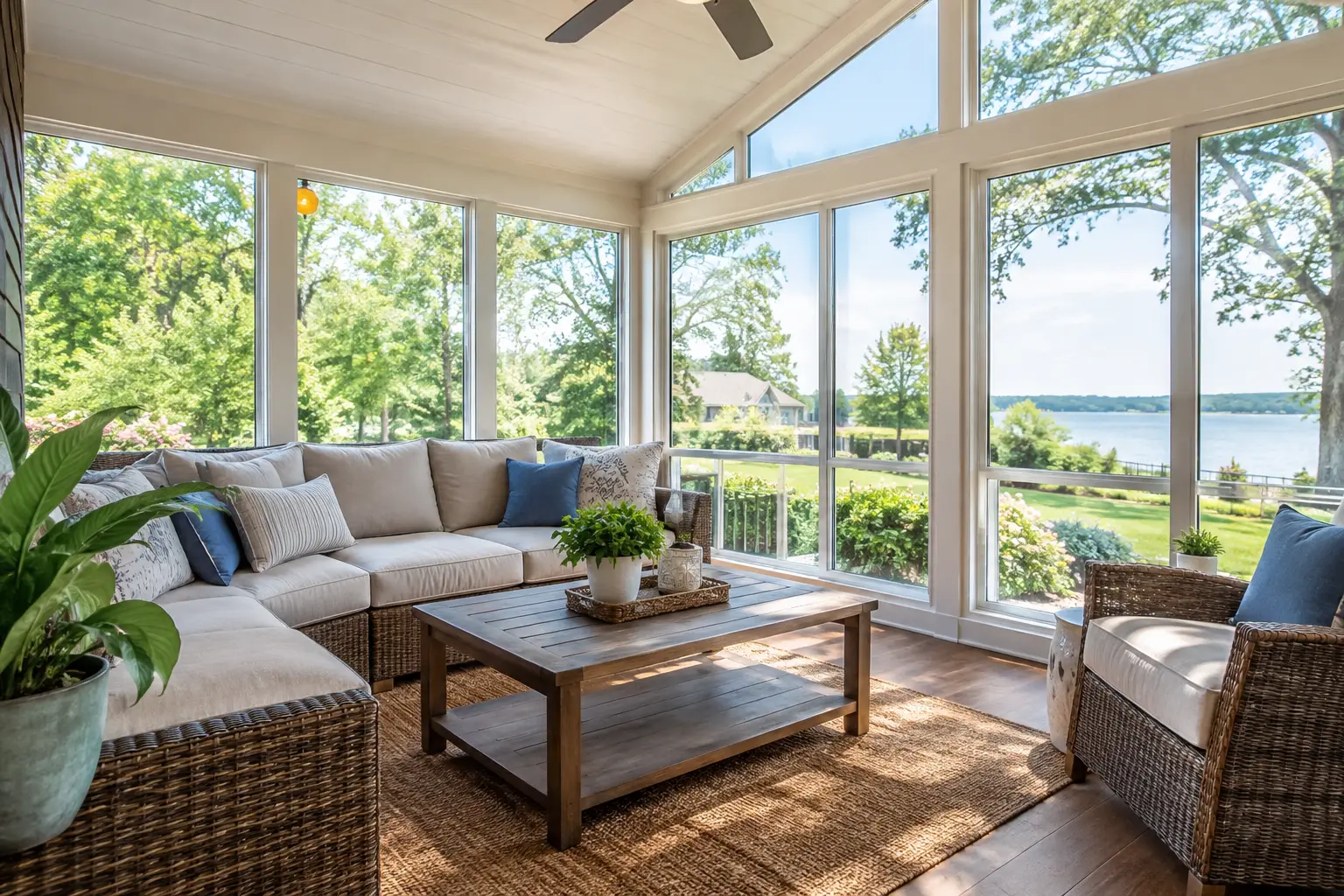
Is a sunroom worth it? See the costs, comfort factors, and value a well-planned sunroom can bring to homes in Mobile and Baldwin Counties, Alabama today.
Fiber Cement Versus Wood Siding for Alabama
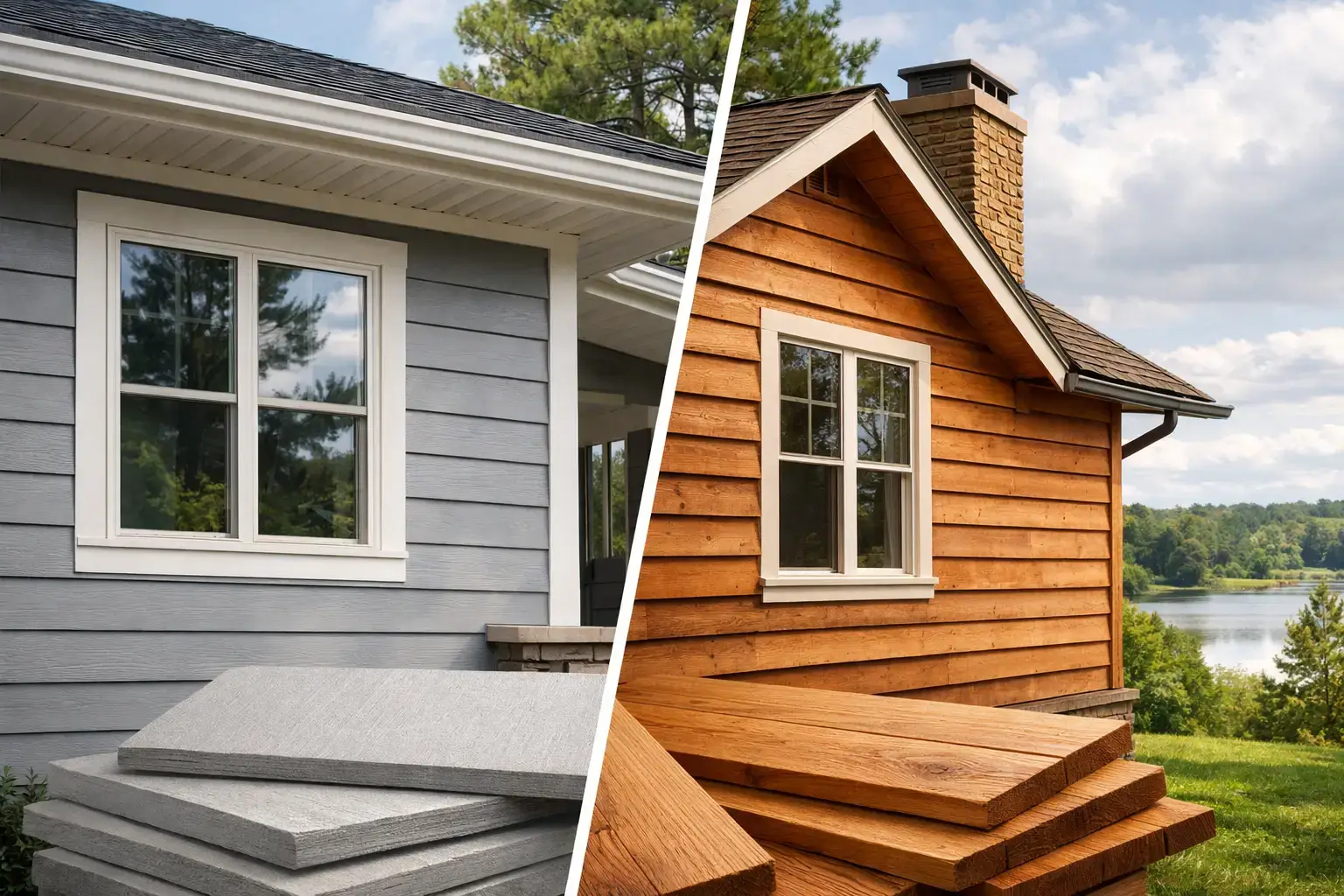
A siding decision in Mobile or Baldwin County has to stand up to more than a good first impression. It has to handle humid summers, driving rain, strong sun, insects, and, for many homes, salty coastal air. When homeowners weigh fiber cement versus wood siding, the best choice comes down to the home’s style, its location, the maintenance you are prepared to take on, and how long you plan to stay in the home.
Both materials can look excellent when they are properly installed and maintained. They are not interchangeable, though. Wood offers a natural character that is difficult to duplicate, particularly on older and historic homes. Fiber cement offers dependable durability with far less routine upkeep. Knowing where each material performs well can help you make a decision you will feel good about years from now.
Fiber Cement Versus Wood Siding: The Main Difference
Fiber cement siding is a manufactured material made from cement, sand, cellulose fibers, and water. It is designed to resemble painted wood lap siding, shingles, panels, and trim. Quality installation is detailed work because the boards are heavy, cuts must be handled correctly, and clearances around roofs, masonry, and grade matter.
Wood siding is a broad category that can include clapboard, shingles, board-and-batten, and other traditional profiles. Depending on the application, it may be cedar, pine, cypress, engineered wood, or another wood product. Its appeal is authentic texture and depth. The grain, variation, and aging process give wood a look that many homeowners love.
The most practical distinction is maintenance. Fiber cement does not rot and is not a food source for termites or carpenter ants. Wood can last for generations, but it needs consistent protection from moisture and pests. In our Gulf Coast climate, that difference deserves serious consideration.
How Fiber Cement Performs on the Gulf Coast
Fiber cement is often a strong fit for homeowners who want the look of painted siding without making exterior maintenance a regular project. It resists rot, insect damage, and warping better than traditional wood. It is also noncombustible, which may be an added consideration for some homeowners.
For homes in Mobile, Daphne, Fairhope, Spanish Fort, Foley, and surrounding communities, fiber cement’s moisture resistance is a meaningful advantage. Humidity alone does not ruin a home’s siding, but years of wet weather, shaded walls, and delayed paint maintenance can create trouble for materials that absorb water.
That said, fiber cement is not maintenance-free. Painted fiber cement still needs periodic cleaning, caulk inspection, and repainting when the finish begins to wear. Cracked boards, failing caulk joints, or improper flashing can allow water behind the siding system. The material is durable, but the installation details remain just as important as the product itself.
Fiber cement can also be more expensive to install than some wood options because it is heavy and requires experienced handling. Homeowners should be cautious about comparing estimates based only on a price per square foot. A lower number may leave out trim work, removal of damaged sheathing, flashing improvements, painting, or the repairs needed to create a sound surface for the new siding.
Where Fiber Cement Makes the Most Sense
Fiber cement is especially practical for homeowners who want a clean, traditional exterior with predictable long-term maintenance. It works well on newer homes, additions, and homes where existing siding has repeated moisture or termite damage. It is also a sensible option for busy families, retirees, and anyone who would rather spend less time managing exterior repairs.
It can be an excellent choice for a historic-looking home, but the profile matters. A board that is too thick, too smooth, or too uniform can look out of place on a house with original architectural details. The right exposure, trim proportions, and paint color help preserve the home’s character.
When Wood Siding Is Worth the Extra Care
Wood siding has a warmth that manufactured materials cannot fully reproduce. On a historic cottage, a traditional Southern home, or a property with original wood details, it can be the right material both visually and architecturally. Wood can be milled to match existing profiles, which is often important when repairing a historic exterior rather than replacing it with a modern approximation.
Wood is also easier to modify in certain repair situations. A skilled contractor can replace a damaged board, replicate trim, or blend a repair into an existing wall with care. That flexibility matters when only part of an exterior needs attention.
The trade-off is that wood asks more of the homeowner. Paint or stain must be maintained before moisture gets into the material. Caulk joints need inspection. Vegetation should be kept from trapping moisture against walls. Small issues such as peeling paint, soft spots, or open seams should be addressed quickly, before they become rot in the siding or damage to the framing behind it.
In coastal and humid areas, wood also needs a thoughtful design and installation approach. Proper flashing, ventilation, drainage gaps where appropriate, and good clearance above roofing and soil all help the siding dry after rain. No siding material performs well when water is allowed to stay where it does not belong.
Wood Is Often the Right Choice for Historic Homes
For a historic home, replacement should not automatically mean removing every original wood board. Older-growth wood can be remarkably durable, and selective repair may preserve the look and value of the property. A careful assessment can reveal whether the damage is isolated or widespread.
If replacement is necessary, matching the existing material and profile may be worth the added cost. Fiber cement may still be appropriate on an addition or a less visible elevation, but the decision should respect the home’s architecture rather than follow a one-material rule.
Appearance, Cost, and Resale Considerations
Both fiber cement and wood can support strong curb appeal. Fiber cement offers consistency. Its lines are straight, its finish is uniform, and it gives homeowners many profile options. For a freshly remodeled exterior, that crisp look can be very appealing.
Wood offers more visual variation and a more natural finish. It can look refined, relaxed, formal, or coastal depending on the profile and paint treatment. On the right home, that character may be a major part of its value.
Upfront cost varies widely based on the siding profile, amount of trim, condition of the wall beneath the existing siding, painting scope, and access around the home. Fiber cement frequently costs more to install than basic wood siding, while premium wood species or custom-milled profiles can cost significantly more than fiber cement. The real financial question is not simply which material is cheaper on day one. It is which option fits your long-term maintenance budget and the expectations for your property.
For resale, buyers often appreciate fiber cement because it signals durability and lower upkeep. On the other hand, buyers drawn to historic or architecturally distinctive homes may value well-maintained original wood details. There is no universal winner. The best exterior update is one that looks appropriate for the home and has been completed with quality craftsmanship.
Installation Quality Can Matter More Than the Label
A premium siding product cannot compensate for poor preparation. Before new siding goes on, the contractor should look for rot, water intrusion, damaged sheathing, inadequate flashing, and failed trim details. Installing over unresolved problems only hides them for a while.
The details around windows, doors, roof intersections, corners, and penetrations are where dependable work shows. Proper flashing directs water away from the wall assembly. Correct fasteners and spacing help siding perform as intended. Good paint preparation and caulking protect the finished exterior while keeping it clean and complete.
At Integrity Remodeling & Construction, we believe homeowners deserve clear communication about what is found behind old siding, what repairs are needed, and how each choice affects the project. A dependable siding project is not just about installing boards. It is about protecting the home underneath them.
Choosing the Right Siding for Your Home
Choose fiber cement if you want a durable painted exterior, lower vulnerability to insects and rot, and a traditional look with less intensive maintenance. It is often a practical long-term choice for Gulf Coast homes, especially where moisture exposure is a concern.
Choose wood if your home’s character depends on authentic materials, you need to match historic profiles, or you are willing to maintain the exterior consistently. With thoughtful installation and prompt care, wood can remain a beautiful and lasting part of a home.
Before making the final call, look closely at your home rather than relying on a general rule. Consider the age of the house, the amount of shade and moisture it receives, the condition of the existing walls, your maintenance plans, and the look you want to preserve. A careful evaluation now can turn a siding project into lasting protection and an exterior you are proud to come home to.
Related Posts