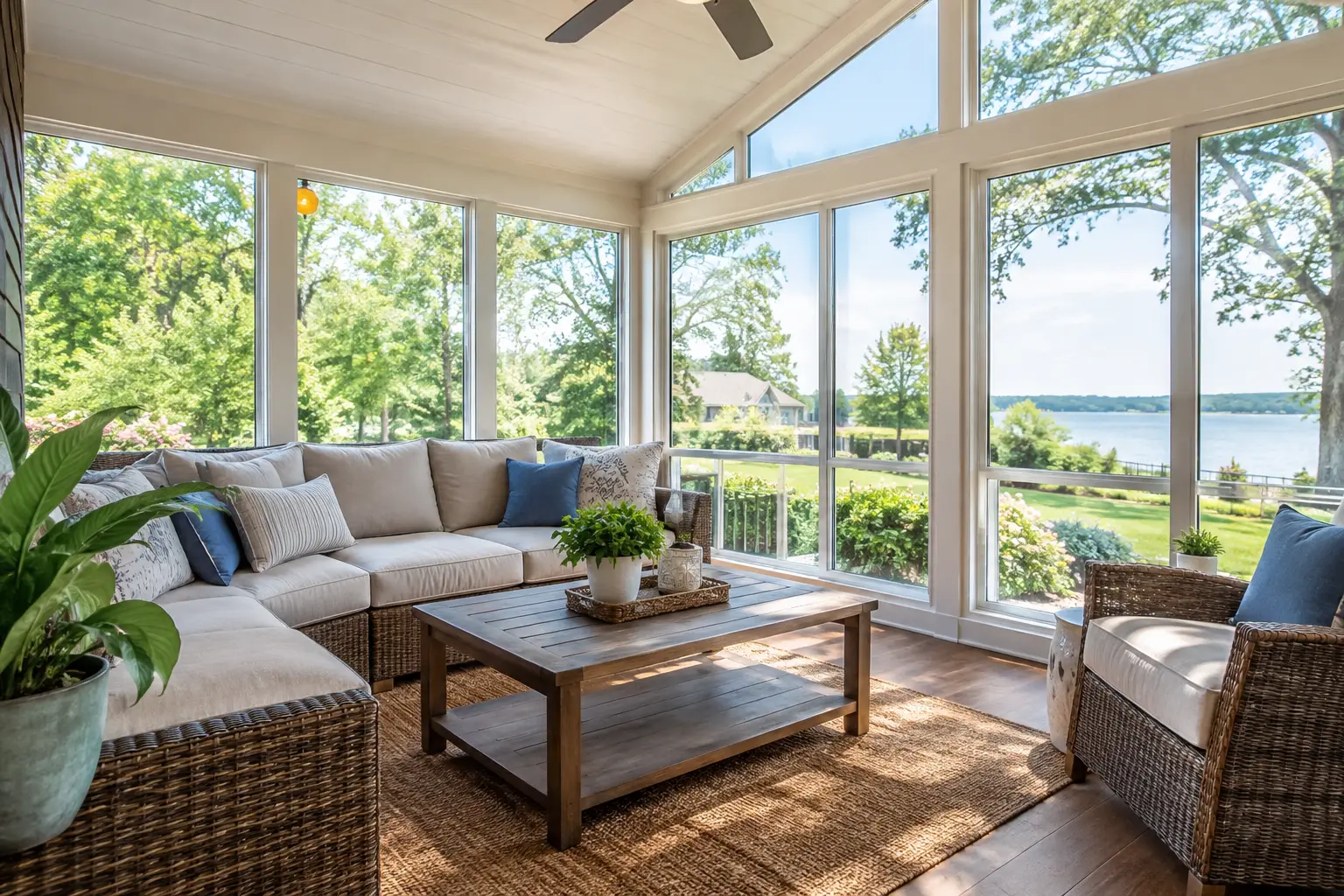
Is a sunroom worth it? See the costs, comfort factors, and value a well-planned sunroom can bring to homes in Mobile and Baldwin Counties, Alabama today.
What Questions to Ask a Remodeling Contractor

A remodeled kitchen, bathroom, addition, or outdoor living space should make life at home better. But the contractor you choose will have just as much impact on the experience as the finished design. Knowing what questions to ask a remodeling contractor helps you look beyond a polished estimate and find a professional who will communicate clearly, protect your home, and follow through.
The right conversation is not about trying to catch someone off guard. It is about making sure you and your contractor share the same expectations before demolition begins. For homeowners in Mobile and Baldwin Counties, that clarity matters whether you are updating a small bath in Daphne, adding space for family in Fairhope, or restoring the character of an older home in Mobile.
What questions should I ask a remodeling contractor first?
Start with the questions that establish whether a contractor is qualified, available, and a good fit for your project. A dependable professional should welcome them and answer directly.
1. Are you licensed and insured for this type of work?
Ask what licensing applies to your project and request proof of current liability and workers’ compensation insurance. Requirements can vary based on the project scope and cost, so a trustworthy contractor will explain what applies rather than make broad promises.
Insurance is not just paperwork. It helps protect you if an accident or property damage occurs during construction. If a contractor hesitates to discuss coverage, cannot provide documentation, or tells you insurance is unnecessary, take that as a serious warning sign.
2. How much experience do you have with projects like mine?
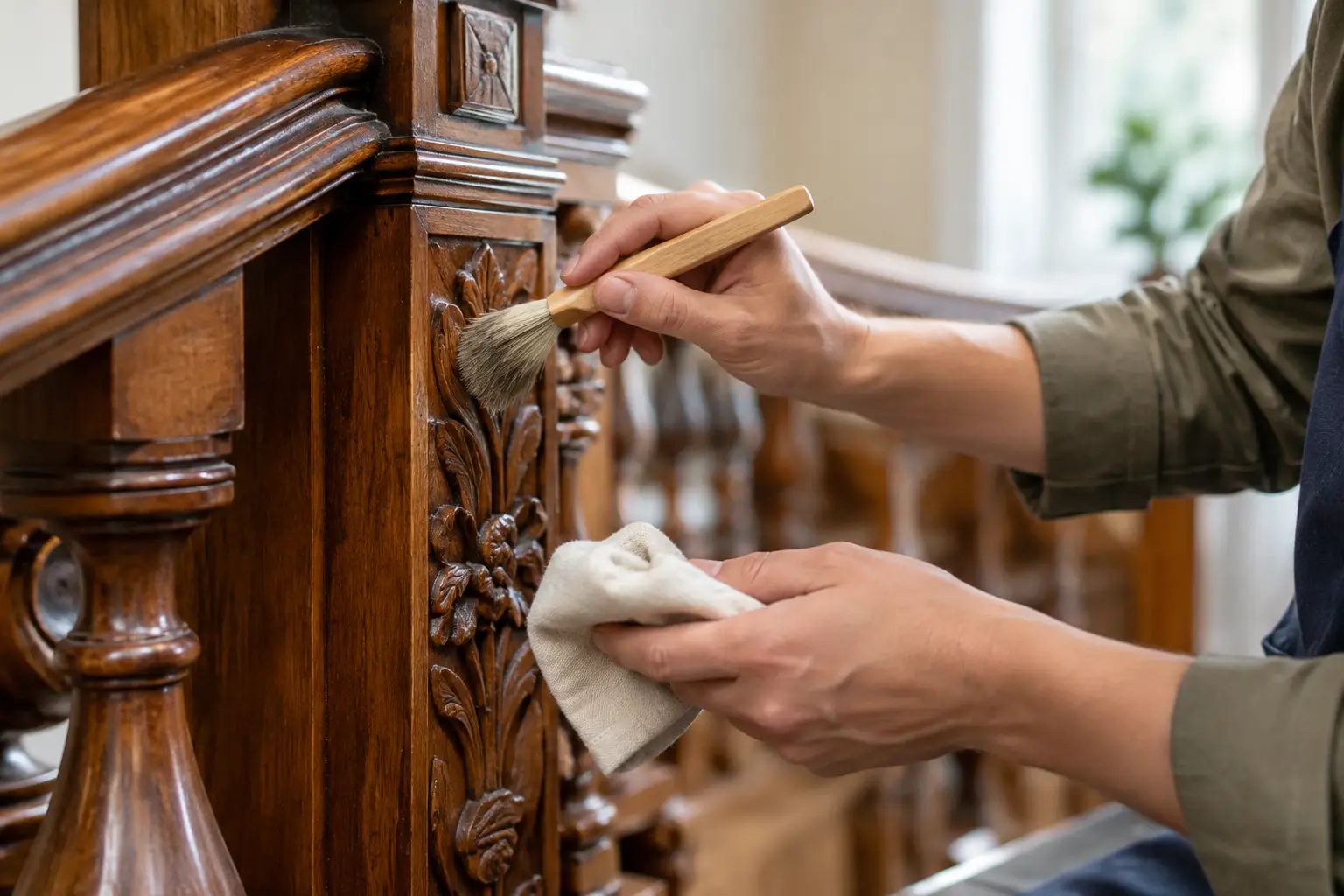
A contractor may be skilled in general construction but have limited experience with the specific work your home requires. Ask for examples of similar kitchens, bathrooms, additions, decks, sunrooms, or exterior renovations. If you own a historic home, ask directly about experience working with older structures, original materials, hidden damage, and preservation-minded updates.
The answer should go beyond a number of years in business. Listen for practical details about how the contractor approaches design challenges, coordinates trades, and handles the surprises that are common in remodeling.
3. Who will be managing my project day to day?
Many homeowner frustrations come from not knowing who is in charge once work begins. Ask who your main point of contact will be, who will supervise the job site, and how often that person will be present.
There is no single right business model. Some companies use an owner, project manager, or lead carpenter as the primary contact. What matters is that you know who can answer questions, make decisions, and keep the work moving. You should not have to chase down updates while your home is under construction.
Questions to ask a remodeling contractor about the estimate
An estimate is more than a price. It is a working description of what the contractor believes is included in the job. Comparing only the bottom line can lead to costly misunderstandings later.
4. What exactly is included and excluded in this proposal?
Ask for a detailed written scope of work. It should identify the major tasks, materials, allowances, and responsibilities included in the price. It should also make clear what is excluded.
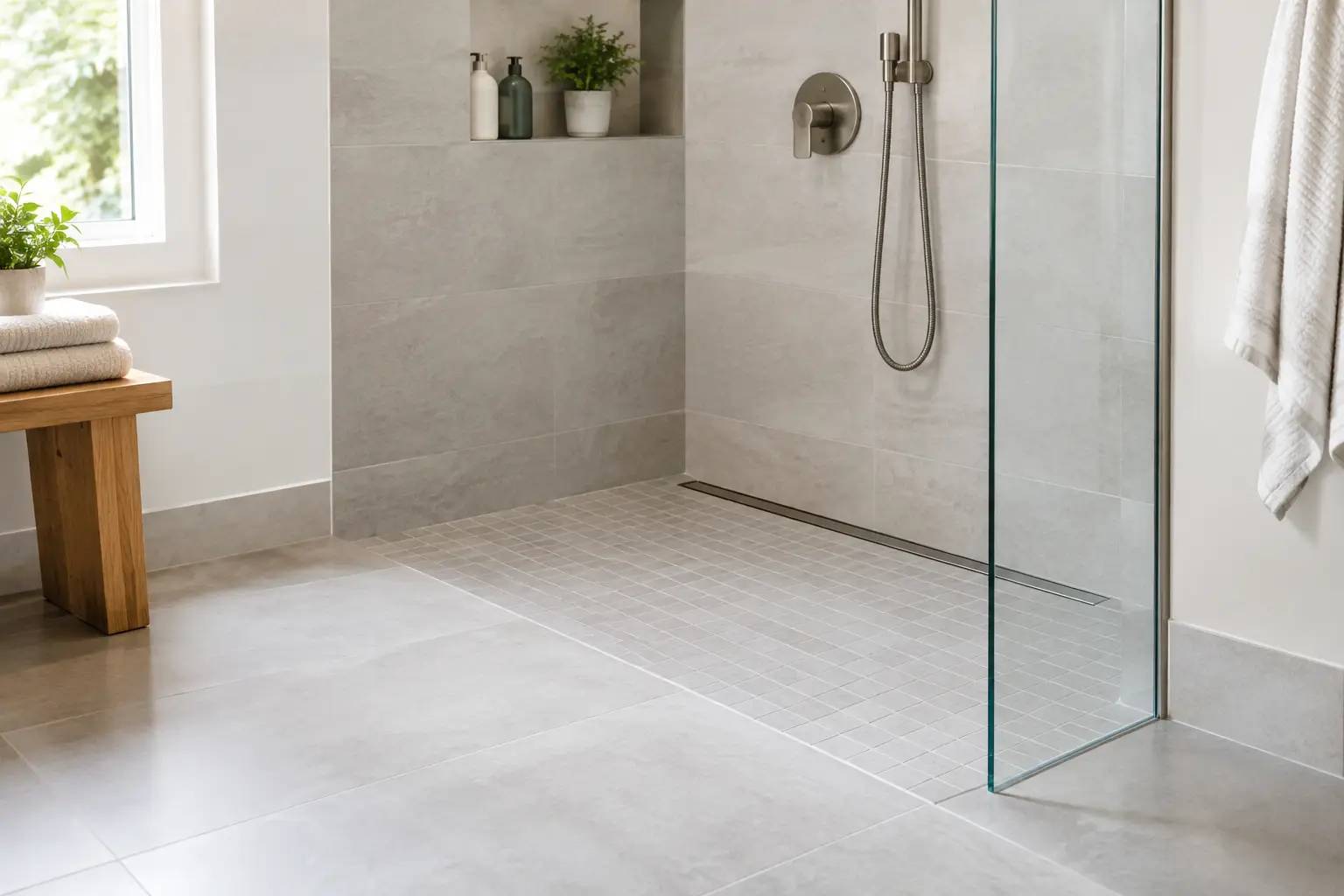
For example, a bathroom remodeling proposal may include demolition, plumbing changes, tile installation, and paint, but it may not include the final light fixtures, a specialty shower door, or repairs to hidden water damage. Those exclusions are not automatically a problem. The problem is finding out about them after you assumed they were covered.
5. Are the material allowances realistic for the finishes I want?
An allowance is a budget amount set aside for a selection that has not been finalized, such as cabinets, countertops, flooring, or fixtures. Ask what products or price ranges the allowance is based on. If you have your eye on custom tile or premium appliances, a low allowance can make an initial proposal appear more affordable than the finished project will be.
Bring photos, inspiration, and any must-have selections to the estimate meeting. The more clearly you share your priorities, the more accurately a contractor can guide the budget. Sometimes the best choice is to adjust the scope early instead of stretching the budget after construction starts.
6. How do you handle change orders and unexpected conditions?
Remodeling often reveals conditions that could not be seen before walls, flooring, or siding are opened. Older homes may have outdated wiring, moisture damage, structural issues, or previous repairs that need correction. A good contractor will not pretend surprises never happen. Instead, they will explain the process for documenting the issue, pricing the change, and getting your approval before additional work proceeds.
Ask whether change orders are always written and signed. They should be. Verbal agreements can easily be forgotten or interpreted differently, especially during a busy project.
7. What is the payment schedule?
You should understand when payments are due and what each payment represents. Payment schedules vary by project size, but they should be tied to meaningful progress, materials, or defined milestones. Be cautious about a contractor asking for an unusually large payment before work or materials are underway.
Also ask how deposits, special-order materials, and final payment are handled. Clear terms help protect both the homeowner and the contractor from avoidable conflict.
Questions about communication, timing, and your home
The construction phase affects your daily routine. These questions help you understand not just what will be built, but how the work will be managed.
8. When can you start, and how long will the project take?
Ask for a realistic start window and projected duration. A contractor cannot control every delay – weather, inspections, material availability, and approved changes can affect the schedule. Still, an experienced remodeling team should be able to explain the expected sequence of work and the factors most likely to affect timing.
Be wary of an overly confident promise that leaves no room for real-world conditions. A thoughtful schedule with honest expectations is more valuable than an unrealistic quick finish date.
9. How will you communicate updates and decisions?
Ask how often you will receive updates and whether communication will happen by phone, text, email, scheduled meetings, or a combination. You should also ask how quickly routine questions are typically answered and who has authority to approve changes.
This is a simple question with a big payoff. Homeowners often remember how a contractor made them feel during the project. Honest communication, especially when something changes, builds confidence and keeps small concerns from becoming larger problems.
10. How will you protect my home and keep the job site organized?
A remodeling project can be disruptive, but it should not feel careless. Ask about dust control, floor protection, debris removal, daily cleanup, material storage, and access to your home. If you have children, pets, work from home, or need to maintain access to a bathroom or kitchen, discuss those needs before the work begins.
For exterior work, ask how landscaping, driveways, windows, and neighboring property will be protected. The details may depend on the size and location of the project, but a professional contractor will have a plan.
11. Who pulls permits and coordinates inspections?
Permits and inspections are part of many remodeling projects, especially when structural, electrical, plumbing, or major exterior work is involved. Ask whether your contractor will obtain the permits, schedule inspections, and address any corrections required by the local authority.
Do not assume a permit is unnecessary because a project seems straightforward. Local requirements differ, and a contractor should be willing to discuss what applies to your home and scope of work.
Questions that reveal a contractor’s reputation
12. Can I see recent references or examples of completed work?
Look for recent projects that are similar in scale and style to yours, then ask for homeowner references when appropriate. Reviews can show patterns in responsiveness, craftsmanship, cleanliness, and follow-through. References give you an opportunity to ask what the process was actually like after the estimate was accepted.
Useful questions include whether the contractor communicated well, kept commitments, handled problems fairly, and whether the homeowner would hire them again. Pay attention to how the contractor responds to feedback, too. Nobody is perfect, but accountability says a great deal about a company.
13. What warranty do you provide after the project is complete?
Ask what workmanship warranty is offered, how long it lasts, and how to request service if an issue appears later. Materials may have separate manufacturer warranties, so it helps to understand the difference between product coverage and the contractor’s responsibility for installation.
A clear warranty is one sign that a contractor stands behind the work. Just as important is the company’s reputation for answering the phone after the final payment has been made.
A remodeling contractor is not simply a vendor. They will be working around your family, your routines, and one of your largest investments. Take your time, ask direct questions, and choose the team that gives you clear answers before they ever ask you to sign. That steady, respectful start is often the best indication of how the entire project will be handled.
Related Posts