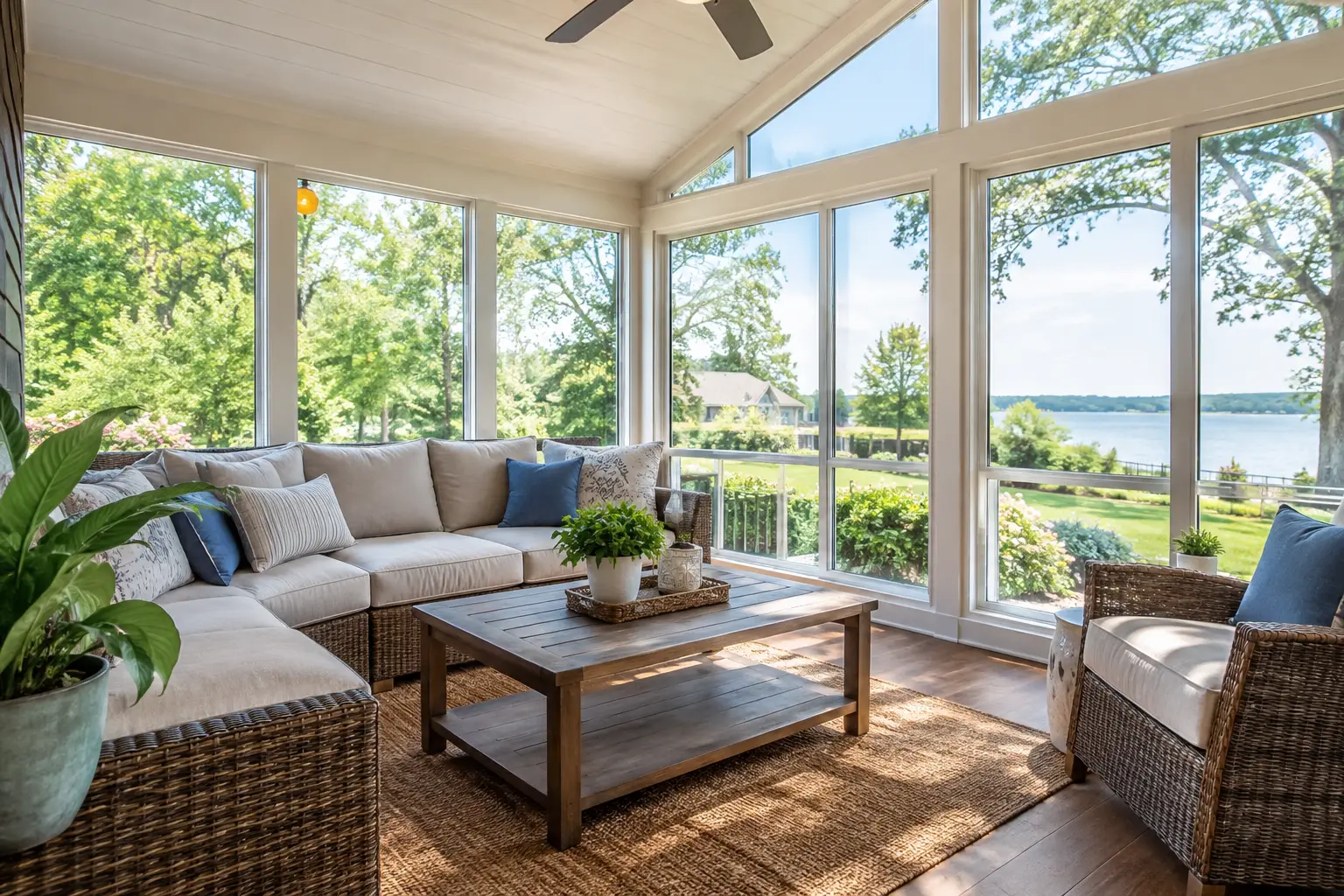
Is a sunroom worth it? See the costs, comfort factors, and value a well-planned sunroom can bring to homes in Mobile and Baldwin Counties, Alabama today.
How to Hire a Remodeling Contractor You Trust

A remodeling project can improve how your home looks, works, and feels every day. It can also be a major investment, which is why learning how to hire a remodeling contractor is about more than finding the lowest estimate. You need a professional who listens to your goals, explains the work plainly, and follows through when construction begins.
For homeowners in Mobile and Baldwin Counties, the right contractor should understand both the project itself and the realities of local homes. That may mean updating a dated kitchen, building an addition for a growing family, making a bathroom safer for aging in place, or preserving original details in a historic property. The best fit is a contractor with the right experience, a dependable process, and a reputation for honest communication.
Start With a Clear Picture of Your Project
You do not need a complete set of architectural plans before calling a remodeling contractor. You should, however, be able to explain what is not working in your home and what you hope will change. For example, a homeowner may want more kitchen storage, a better layout for entertaining, or a bathroom that is easier to navigate.
Write down your priorities before requesting estimates. Separate the must-haves from the nice-to-haves, and think about how long you plan to stay in the home. A family preparing for another child may value added square footage. A retiree may place greater value on a curbless shower, wider doorways, and low-maintenance materials.
This early clarity helps a contractor provide a more useful recommendation. It also prevents a common problem: comparing estimates for projects that are not actually the same. One contractor may price basic cosmetic updates while another includes layout changes, electrical work, permits, and higher-quality finishes. The totals will look very different because the scopes are different.
How to Hire a Remodeling Contractor With Confidence
A good hiring process takes a little time up front, but it protects your investment and reduces stress later. Start by looking for contractors whose regular work matches your project. A company that primarily handles small repairs may not be the right choice for a kitchen renovation, home addition, sunroom, or historic restoration.
Experience should be specific. Ask whether the contractor has completed projects similar in size and complexity to yours, and ask what challenges commonly come up. An experienced contractor will not promise that every renovation is simple. Instead, they should explain potential unknowns, especially in older homes where existing plumbing, electrical systems, framing, or water damage may need attention once work begins.
Local experience matters, too. Remodeling in the Mobile Bay area can involve humidity, heavy rain, coastal conditions, older construction methods, and local permitting requirements. For exterior work such as windows, siding, decks, patios, and painting, material choices and proper installation details have a direct effect on long-term performance.
Verify the Basics Before You Sign
Before moving forward, confirm that a contractor is properly licensed for the work, insured, and willing to provide documentation when requested. These details are not paperwork for paperwork’s sake. They help protect you, your property, and the people working on site.
Ask about the following:
- Required licenses for the scope and value of your project
- General liability insurance and workers’ compensation coverage
- Whether permits are needed and who will handle them
- The project warranty and what it covers
- Who will supervise the work and be your main point of contact
A reputable contractor should answer these questions directly. If someone becomes evasive, pressures you to move forward immediately, or asks you to pull permits yourself without a clear reason, treat that as a warning sign.
Look Beyond the Estimate Total
It is smart to get more than one estimate, but price should not be the only deciding factor. The lowest number can become the most expensive choice if important work was left out, materials were downgraded, or poor communication creates costly delays and corrections.
Ask each contractor to walk you through the proposed scope. A detailed estimate should make clear what is included, what is excluded, and where allowances may apply. Allowances are common for items such as tile, fixtures, cabinetry, or countertops when final selections have not been made. What matters is that you understand the budget amount and what happens if your selections cost more or less.
Pay attention to how the contractor explains the estimate. Clear answers are a sign of a clear process. You should not feel rushed, talked down to, or left guessing about basic details.
It is also fair to ask about payment schedules. A professional schedule is generally tied to progress in the work, rather than requiring the full project cost before materials are ordered or construction is underway. Make sure the terms are written into your agreement.
Ask About Communication and Project Management
Most homeowner frustration does not come from the sound of construction. It comes from uncertainty. Homeowners want to know who is coming to the house, what work is happening next, whether a decision is needed, and how a change will affect the budget or schedule.
During your initial conversations, notice whether the contractor returns calls, arrives when promised, and takes time to understand your concerns. The way a company handles the estimate process often reflects how it will handle the project.
Ask how communication will work after you hire them. Will you have one project manager or several points of contact? How often will you receive updates? How are change orders handled? A change order is not automatically a bad sign. Remodeling can uncover hidden conditions, and homeowners sometimes make changes after seeing the space take shape. The key is that changes should be discussed, priced, and approved before the additional work proceeds whenever possible.
A realistic timeline matters as well. Good contractors account for design decisions, permits, material lead times, inspections, weather, and the possibility of hidden conditions. Be cautious with anyone who offers an unusually fast promise without explaining how they will meet it.
Check References With Purpose
Online reviews can be helpful, especially when they mention responsiveness, workmanship, cleanliness, and follow-through. Still, a quick conversation with a past client can tell you more about what it is like to live through the process.
When speaking with references, ask whether the contractor kept them informed, handled concerns respectfully, protected the home during construction, and completed the final details. Ask whether the final cost aligned with the contract and approved changes. You can also ask what they would do differently if they were starting the project again.
For a larger renovation, request examples of completed work that resemble your project. If you own an older or historic home, this step is especially valuable. Preserving character while improving safety, function, and comfort requires a different level of care than a straightforward cosmetic update.
Read the Contract Before Work Begins
A written agreement is one of the strongest tools for a successful project. It should identify the work to be completed, materials or allowances, payment schedule, estimated timeline, warranty information, and procedures for changes. Read it carefully and ask questions before signing, not after demolition has started.
A good contract will not eliminate every surprise. Renovation work involves existing structures, and conditions behind walls or under floors cannot always be known in advance. It does give both you and the contractor a shared plan for handling the work responsibly.
Avoid verbal promises that are not reflected in the agreement. If a detail matters to you, such as saving original trim, protecting landscaping, using a specific product, or completing a phase before a family event, discuss whether it can be included in writing.
Choose the Contractor Who Earns Your Trust
The right contractor may not always be the least expensive or the one with the earliest opening. Choose the one who demonstrates sound experience, answers questions honestly, provides a clear scope, and makes you feel confident that your home will be treated with care.
At Integrity Remodeling & Construction, that means approaching every project with quality craftsmanship, dependable project management, and straightforward communication from the first estimate through the final walkthrough. Your home deserves a contractor who sees the work through – and helps you feel informed at every step.
Related Posts