Planning a bathroom remodel in Mobile or Baldwin County? Learn how to set priorities, choose durable materials, and work with a contractor you can trust.
A Homeowner’s Guide to Bathroom Waterproofing
A beautiful new bathroom can hide a serious problem if the work behind the tile is not done correctly. This guide to bathroom waterproofing explains what homeowners should expect during a quality remodel, where leaks commonly begin, and why waterproofing deserves as much attention as the tile, fixtures, and finishes you see every day.
In Mobile and Baldwin Counties, bathrooms work hard. Humidity is high, families take frequent showers, and many homes have older plumbing or previous renovations behind the walls. A small failure around a shower pan, niche, or plumbing opening can let moisture travel into framing and subfloors long before it shows up as a stain or soft floor.
Why Bathroom Waterproofing Is Different From Tile Installation
Tile is durable, but tile and grout are not waterproof on their own. Grout is designed to fill joints, and sealers can make it easier to clean and more resistant to staining. Neither replaces a properly installed waterproofing system.
The real protection belongs behind or beneath the finished surface. In a shower, that protection creates a continuous barrier that directs water back toward the drain rather than allowing it into the wall cavity or floor structure. The same principle applies around tubs, wet-room floors, shower benches, niches, and curbless shower entries.
This is where homeowners should be careful about comparing remodeling proposals only by the visible materials. Two bathrooms may use similar tile, yet have very different preparation work behind it. Quality craftsmanship means planning the layers that will never be visible once the room is complete.
The Areas That Need the Most Protection
A full bathroom does not always need the same level of waterproofing in every corner. The right approach depends on how the space is used, the type of shower, and the condition of the existing structure. Still, certain locations deserve close attention on nearly every project.
Showers and Tub Surrounds
Shower walls receive direct, repeated water exposure. A proper system typically includes an approved backer material, waterproof membrane, sealed seams, and carefully treated corners and fastener locations. The membrane must connect correctly to the shower base or pan so water has a dependable path to the drain.
Tub surrounds need similar care. Water often works its way through failed caulk where the tub meets the wall, especially if the tub flexes slightly under weight. The wall waterproofing should be detailed so incidental moisture does not reach drywall, insulation, or framing.
Shower Pans, Curbs, and Drains
The shower floor is one of the most common locations for costly failures. Water that reaches below the tile must be able to move toward a properly integrated drain. The floor also needs the right slope. If water sits in the wrong areas, it can contribute to persistent dampness, discoloration, or odor.
Curbs and curbless entries require particular precision. A curb has to be fully protected without unnecessary punctures through the waterproof layer. A curbless shower may require changes to the floor framing or subfloor to create enough slope while keeping a safe, comfortable transition into the shower.
Niches, Benches, and Wall Penetrations
Built-in shampoo niches and shower benches are convenient, but they introduce more corners, seams, and horizontal surfaces. Each needs a fully connected waterproofing detail and appropriate slope so water does not pool. Plumbing valves, shower arms, body sprays, and grab bars also create openings that should be sealed according to the waterproofing system being used.
A well-built shower is not just about applying a coating to the walls. It is about treating every transition as a place where water might try to get through.
Choosing a Waterproofing Approach
Most professional bathroom waterproofing falls into two broad categories: sheet membranes and liquid-applied membranes. Both can perform well when they are compatible with the rest of the shower system and installed according to manufacturer requirements.
Sheet membranes are factory-made waterproof layers installed over properly prepared surfaces. Their seams, corners, and connections are sealed to form a continuous barrier. They offer consistent material thickness, but the installer must make accurate cuts and carefully seal every overlap.
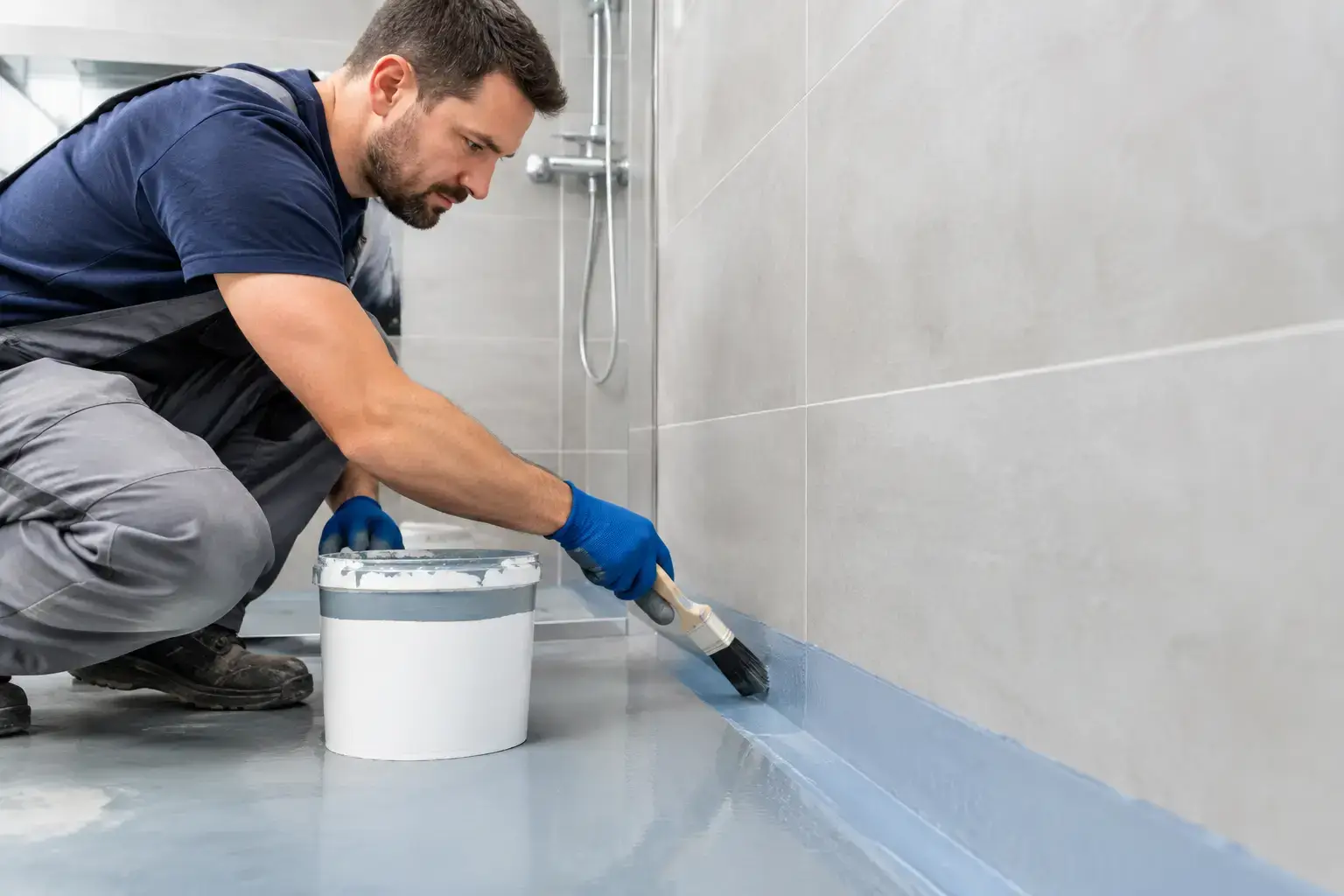
Liquid-applied membranes are rolled, brushed, or sprayed onto the substrate. They can be especially useful around complex shapes and penetrations. The key is applying the material evenly and at the required thickness, often in multiple coats. Too thin in one area can compromise the system.
The best choice is not simply whichever product costs less. It depends on the shower design, substrate, drainage assembly, and the installer’s experience with a complete system. Mixing unrelated products or improvising details may create uncertainty if a problem develops later. A dependable contractor should be able to explain the planned assembly in plain language before tile work begins.
What Proper Preparation Looks Like
Waterproofing cannot correct a weak or damaged structure. Before a new membrane is installed, the remodeling team should inspect the subfloor, framing, and existing walls for moisture damage, movement, mold concerns, or plumbing issues. Rotting wood, loose flooring, and out-of-plumb walls need to be addressed before finishes cover them again.
In older homes, this inspection can reveal conditions that were not visible during initial planning. Previous repairs may have trapped moisture, used unsuitable wall materials, or left a shower pan without proper support. While surprises are never welcome, identifying them early is far better than installing new tile over a problem that will continue to grow.
Preparation also includes getting surfaces flat and stable. Large-format tile, for example, demands a very even setting surface. More importantly, a shower floor must slope consistently to drain. Waterproofing is only one part of the assembly. Substrate preparation, proper drainage, and careful tile installation work together.
How to Spot Warning Signs Before a Remodel
Some water damage is hidden, but homeowners often notice clues before a bathroom renovation begins. These signs do not always mean a full rebuild is required, but they are worth discussing during an estimate:
- Soft, stained, or swollen flooring near the shower, tub, or toilet
- Loose tile, cracked grout, or recurring caulk failure at wall joints
- Peeling paint or discoloration on the ceiling or wall outside the bathroom
- A musty odor, persistent mildew, or a shower area that never seems to dry
- Water stains on a ceiling below an upstairs bathroom
It is also wise to distinguish between surface maintenance and a failure behind the walls. Replacing cracked caulk can solve a minor joint issue. Repeated leaks, loose tile, or soft materials usually call for a more thorough evaluation.
Questions to Ask Your Bathroom Remodeling Contractor
Homeowners do not need to become waterproofing experts to make an informed decision. Honest communication starts with asking clear questions about what will be installed and how the work will be checked.
Ask what waterproofing system is planned for the shower and whether the wall, floor, drain, curb, and niches are designed to work together. Ask how the shower pan will be tested before tile is installed. A flood test, when appropriate for the design and local conditions, helps confirm that the pan and drain connection are holding water as intended before finishes make repairs more difficult.
You can also ask how the team handles unexpected damage discovered during demolition. A trustworthy contractor should explain the issue, discuss the options, and document changes rather than quietly covering up a concern. Clear expectations around schedule, material selections, and communication matter just as much as the technical details.
Waterproofing for Long-Term Bathroom Value
Bathroom waterproofing is not the place to cut corners, even when a remodel budget is carefully managed. It protects more than the shower tile. It helps preserve framing, subfloors, adjacent rooms, and the investment you are making in your home.
At Integrity Remodeling & Construction, we believe homeowners deserve to understand the work beneath the finished surfaces, not just admire the result at the end. A bathroom should feel comfortable, function well for your household, and be built with the care needed to stand up to everyday use.
Before choosing a tile pattern or faucet finish, take time to ask how your bathroom will be protected from water. That conversation can make the difference between a room that looks good on day one and one that continues to serve your family well for years.
Related Posts