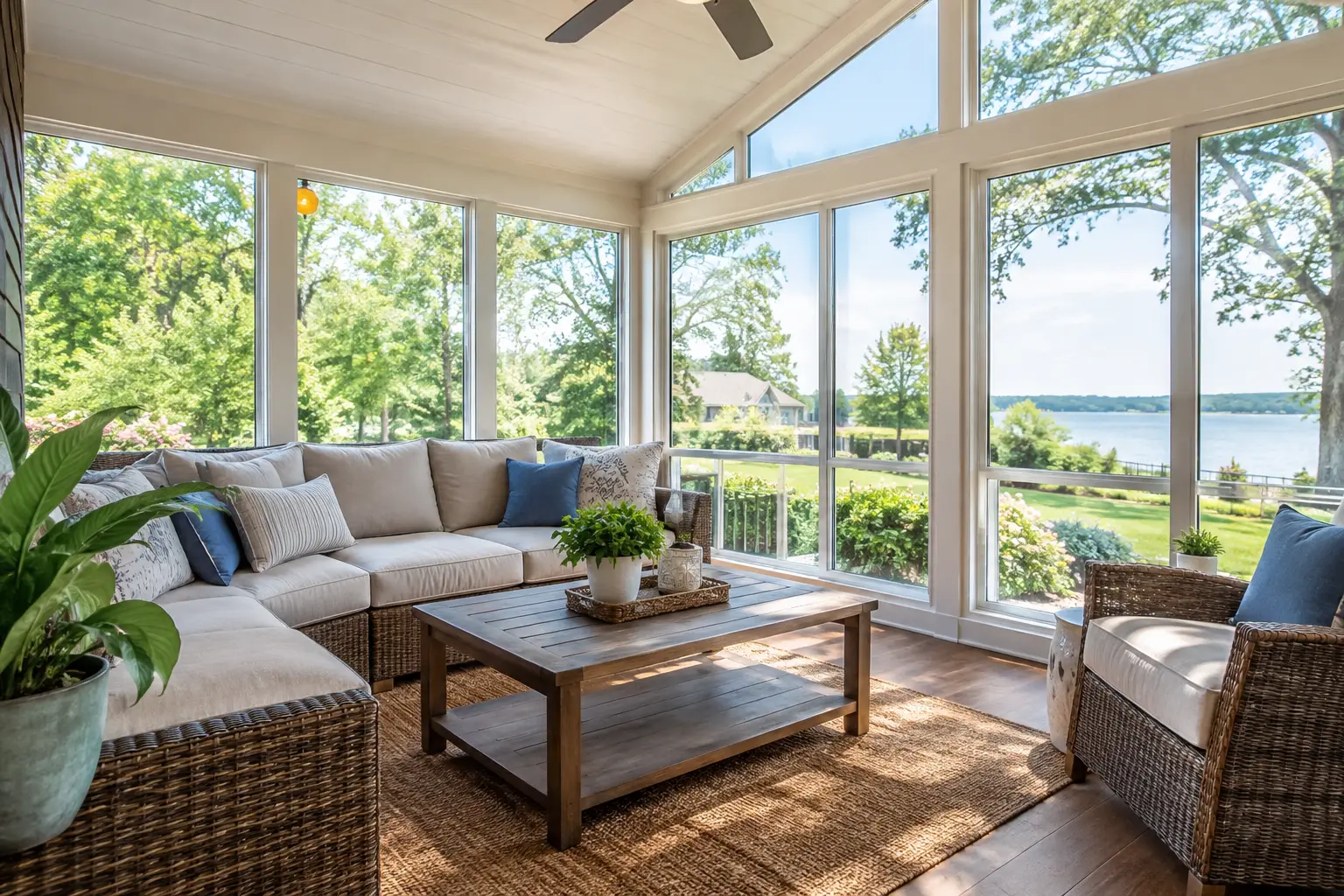
Is a sunroom worth it? See the costs, comfort factors, and value a well-planned sunroom can bring to homes in Mobile and Baldwin Counties, Alabama today.
How Much Does a Kitchen Remodel Cost in Alabama?

A kitchen can look dated long before it stops working. Worn cabinets, tight prep space, unreliable lighting, and an awkward layout can make everyday meals feel harder than they should. So, how much does a kitchen remodel cost in Alabama? For homeowners in Mobile and Baldwin Counties, a professionally managed kitchen renovation often ranges from about $25,000 for a focused update to $100,000 or more for a major redesign with premium finishes, structural work, or custom cabinetry.
That is a wide range, but it is an honest one. Kitchens are highly personal spaces, and the final investment depends less on square footage alone than on what you want the room to do for your household. A carefully planned remodel should improve how you live in the home, not simply replace what is already there.
How Much Does a Kitchen Remodel Cost in Alabama?
Most kitchen projects fall into three broad investment levels. These ranges are useful for early planning, but an on-site consultation is the right way to develop a dependable number for your particular home.
Focused kitchen update: roughly $25,000 to $45,000
A focused update generally keeps the existing kitchen footprint intact. The plumbing, appliances, and major walls stay in their current locations, which helps control labor and permit costs. Homeowners may replace cabinet doors or install new stock or semi-custom cabinets, update countertops, add a backsplash, replace flooring, upgrade lighting, and refresh paint.
This level can make a dramatic visual and functional difference, particularly in a kitchen with a workable layout but tired finishes. The trade-off is that it may not solve deeper problems such as limited storage, a narrow traffic path, or poor connection to the dining and living areas.
Mid-range remodel: roughly $45,000 to $80,000
This is where many full kitchen remodels in the Mobile and Baldwin County area land. A mid-range project may include semi-custom or custom cabinetry, durable quartz or natural-stone countertops, new appliances, upgraded electrical service for lighting and outlets, flooring, tile work, and a redesigned island.
At this level, homeowners often make selective layout changes. Moving an appliance, opening a non-load-bearing wall, adding a pantry, or improving the kitchen’s connection to an adjacent room can change the way the home functions every day. Those changes require more planning and coordination, but they can be worthwhile when the existing layout no longer fits the family.
Major or high-end remodel: $80,000 to $150,000+
A larger investment is common when the kitchen is being fully reconfigured, expanded, or opened to other living spaces. It may involve relocating plumbing and gas lines, removing or modifying structural walls, installing custom cabinetry, selecting high-end appliances, or adding specialty features such as a large working pantry, built-in beverage station, custom hood, or detailed trim work.
Older and historic homes may also fall into this category because the work can uncover conditions that are not visible at the start. Uneven floors, outdated wiring, water damage, framing repairs, and code updates are not glamorous parts of a remodel, but addressing them correctly protects the quality of everything that comes afterward.
What Drives the Cost of a Kitchen Remodel?
The most significant cost decision is usually the scope of the work. Keeping the layout mostly in place is typically less expensive than relocating the sink, range, refrigerator, or walls. Once plumbing, electrical, ventilation, and structural elements move, the project involves more skilled labor, permits, inspections, and coordination.
Cabinetry is another major part of the budget. Stock cabinets can be a practical choice for straightforward spaces and tighter budgets. Semi-custom cabinets offer more size, style, and storage options. Custom cabinetry costs more but can be a strong value in an unusual room, an older home with out-of-square walls, or a kitchen where every inch of storage matters.
Countertops, appliances, flooring, and tile also add up quickly. There is no single right choice. A homeowner who loves to cook may put more of the budget into a quality range, ventilation, and a hardworking island. A family that gathers around the kitchen may prioritize seating, durable flooring, and a layout with better sightlines. The best budget reflects the way you actually use the room.
Labor should not be treated as an afterthought. Proper installation, careful demolition, plumbing and electrical work, drywall repair, cabinetry fitting, and finish carpentry all affect how the kitchen looks and performs years from now. Quality craftsmanship is especially important in coastal Alabama, where humidity and moisture make proper material selection and installation essential.
Local Factors for Mobile and Baldwin County Homes
Homes along the Gulf Coast have their own considerations. High humidity can affect wood products, flooring choices, paint, and ventilation needs. A qualified remodeling team can help you select finishes that look right while holding up to the local climate and daily use.
The age of the home matters, too. In Mobile’s historic neighborhoods and in older homes throughout Baldwin County, a kitchen remodel can reveal previous repairs, aging electrical systems, undersized framing, or plumbing that needs attention. That does not mean an older home is a poor remodeling candidate. It means the plan should include careful evaluation before final selections and construction decisions are made.
Access can also affect cost. A second-floor condominium, a home on a narrow lot, or a project with limited material access may require additional time and protection measures. These details are easy to overlook when comparing rough online estimates, but they are part of building an accurate project plan.
Build a Budget That Leaves Room for the Real Work
A strong remodeling budget starts with priorities, not a list of finishes. Decide what is not working in the current kitchen. Is it storage? Flow? Lighting? Lack of seating? Aging materials? Once those needs are clear, it becomes easier to spend where it makes the biggest difference and avoid paying for features that do not serve your household.
It is also wise to include a contingency amount for unexpected conditions, especially in older homes or projects involving wall removal, plumbing relocation, or flooring replacement. A common planning target is 10% to 15% of the construction budget. That does not mean the entire amount will be needed. It gives you breathing room if hidden issues are discovered after demolition begins.
Be cautious with estimates that appear unusually low. A low initial price may leave out permits, demolition, disposal, design time, electrical upgrades, finish work, or allowances realistic enough for the products you want. A detailed scope of work helps you understand what is included, what selections are assumed, and what could change the final price.
Questions Worth Asking Before You Sign a Contract
A remodeling contractor should be able to explain the process in clear terms. Ask how the project will be managed, who will be your point of contact, how changes are handled, and how the team protects the rest of the home during construction. You should also ask whether permits are needed and how the work will be scheduled around inspections and material lead times.
Communication matters as much as the construction plan. Kitchen work temporarily disrupts one of the most used rooms in a home. Knowing when crews will be present, what decisions are coming next, and how issues will be addressed makes the experience more manageable for everyone involved.
At Integrity Remodeling & Construction, the goal is to give homeowners a clear plan, honest communication, and dependable project management from the early estimate through completion. A detailed conversation about your home, goals, and priorities is more useful than a one-size-fits-all price.
A kitchen remodel is a meaningful investment, but it should also make daily life easier. Start by identifying the improvements that would matter most to your family, then work with a contractor who will listen carefully, explain the options plainly, and build the project with care.
Related Posts