Is a sunroom worth it? See the costs, comfort factors, and value a well-planned sunroom can bring to homes in Mobile and Baldwin Counties, Alabama today.
Historic Bungalow Restoration Done with Care
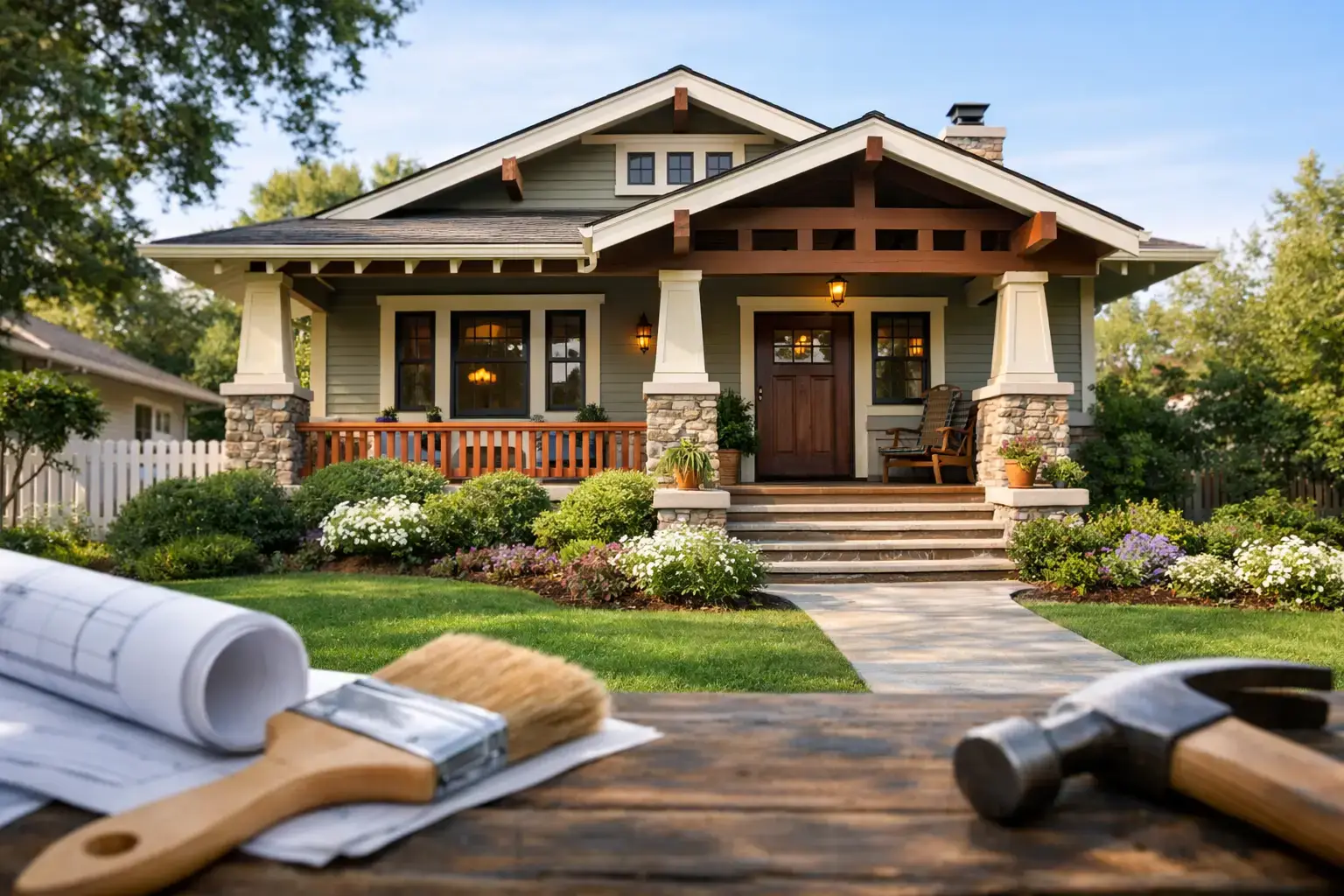
A bungalow can tell you what it needs if you know where to look: a porch floor that has softened near the steps, windows painted shut for decades, a ceiling crack that appeared after a heavy rain. Historic bungalow restoration is not about making an older home look new. It is about protecting the details that give it character while making the home safer, more comfortable, and more practical for the people who live there now.
For homeowners in Mobile and Baldwin Counties, that work also has to account for heat, humidity, wind-driven rain, termites, and the realities of coastal living. A successful project starts with honest evaluation, not quick cosmetic fixes.
What to Protect First in a Historic Bungalow Restoration
The best restoration decisions begin by separating original features worth saving from later changes that are failing the house. Many older bungalows have simple, durable architecture: deep front porches, low-pitched roofs, exposed rafter tails, wood siding, grouped windows, built-in cabinetry, and straightforward floor plans. Those features work together. Removing one without considering the rest can make the home feel less balanced and less authentic.
Start with the exterior envelope. The roof, flashing, gutters, siding, windows, trim, porch structure, and foundation all protect the home from water. In our climate, water management is often the first issue to solve because moisture can lead to rot, mold, damaged finishes, and insect activity. A beautiful new kitchen will not hold up well if water is still getting behind the siding or through an aging roof detail.
Original wood windows deserve a careful look before replacement is assumed. In some cases, old windows can be repaired with new glazing, weatherstripping, sash-cord work, and selective wood repair. In other cases, the frames or sashes are too far gone, or the homeowner needs a more substantial improvement in energy performance and ease of operation. The right choice depends on condition, budget, historic requirements if applicable, and how the family uses the house.
The same principle applies to siding and trim. Replacing a small area of damaged wood with properly sized, compatible material can preserve more of the home than covering the entire exterior with a product that changes its proportions or texture. Restoration is rarely an all-or-nothing decision. It is a series of practical choices made with the house’s long-term health in mind.
Begin with a Full Assessment, Not a Wish List
Homeowners often call because they want a remodeled kitchen, a larger bathroom, or a better outdoor living space. Those are worthwhile goals. Before design decisions are finalized, however, an experienced contractor should assess the systems and structure behind the walls.
That means looking for signs of foundation movement, framing damage, aging plumbing, undersized electrical service, poor insulation, ventilation problems, and previous repairs that may not have been completed correctly. Older homes frequently contain layers of work from different decades. Some updates may be sound. Others may hide problems that need to be addressed before new finishes go in.
A clear assessment helps establish the right project order. If the home needs roof repairs, exterior drainage improvements, electrical updates, and a bathroom renovation, it may be wiser to handle protection and infrastructure first. That approach can feel less exciting than selecting tile or paint colors, but it prevents new work from being damaged later and gives the homeowner a more reliable investment plan.
Keep the Character, Improve the Way You Live
A historic bungalow does not need to remain frozen in time. Families need usable kitchens, dependable bathrooms, storage, efficient lighting, and spaces that support daily routines. The goal is to introduce those improvements without forcing the house to become something it is not.
In a kitchen, that may mean preserving a built-in hutch, original doorway proportions, or a view toward the front porch while updating cabinets, appliances, plumbing, and lighting. In a bathroom, it may mean keeping a classic layout or trim profile while creating a safer shower, adding better ventilation, and replacing worn-out supply lines.
Additions require especially careful planning. A new room should support the original house rather than overpower it. Scale, rooflines, window placement, siding details, and the transition between old and new all matter. Sometimes the best answer is a modest rear addition that improves kitchen or bedroom space without changing the bungalow’s street-facing character. In other cases, reworking existing square footage can deliver the function a homeowner needs with less disruption and cost.
There are trade-offs. Preserving every original detail can increase labor and material costs. Replacing every older component may be more predictable in the short term but can reduce the home’s appeal and historical value. A dependable remodeling plan explains those choices clearly, including where restoration is worth the investment and where replacement is the more responsible option.
Respect the Porch and the Details That Set the Tone
The front porch is often the heart of a bungalow. It creates shade, gives the home a welcoming presence, and connects the house to the neighborhood. It also takes constant exposure to moisture and sun, which makes it one of the most common areas for deterioration.
A proper porch restoration looks beyond surface paint. Posts, railings, decking, steps, ceiling boards, framing, footings, and connections to the house should all be evaluated. A fresh coat of paint can make a porch look better for a season, but it will not correct structural rot or a drainage issue underneath.
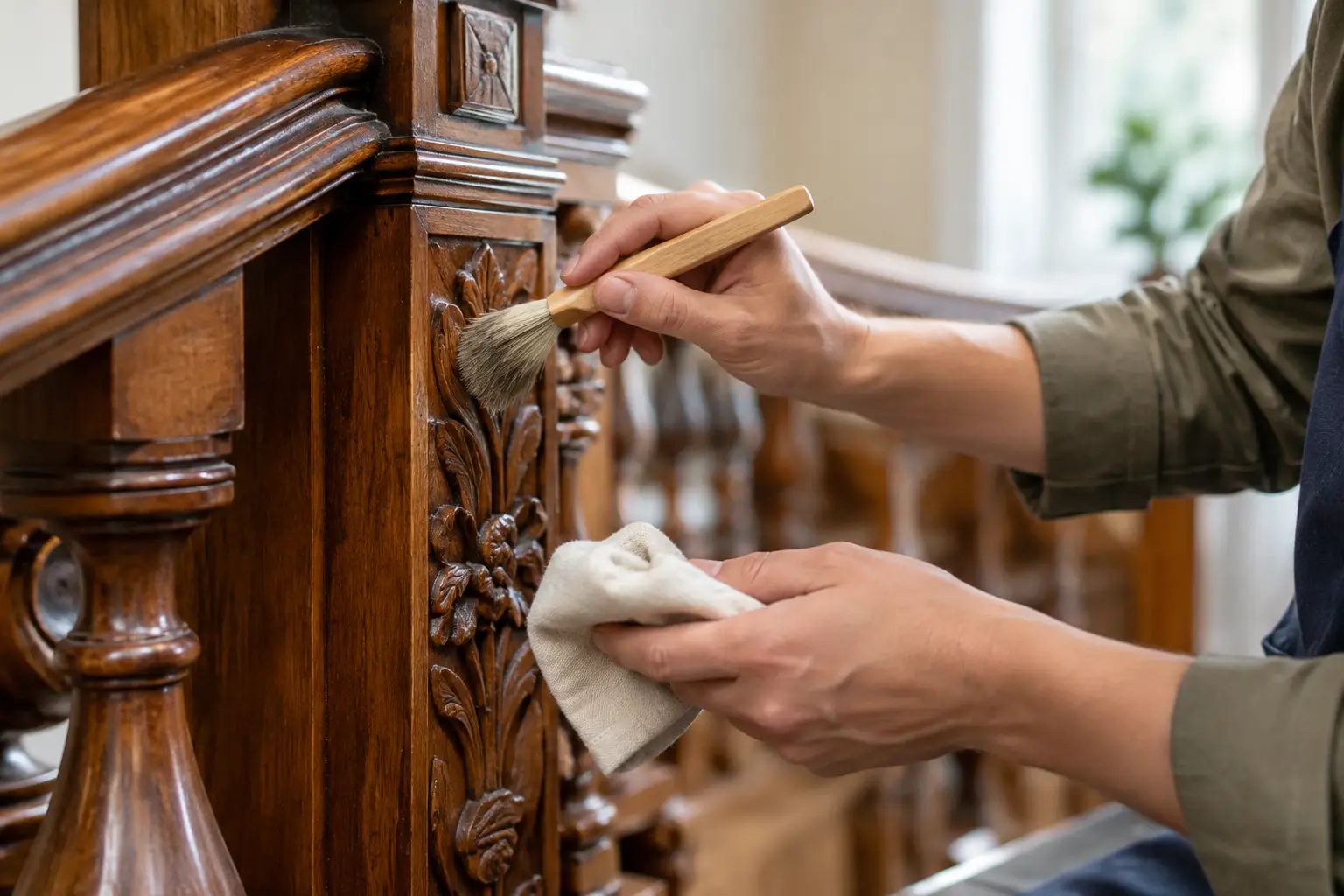
Details deserve the same level of care. Trim profiles, column proportions, exposed beams, porch brackets, original doors, and hardware may seem small, yet they strongly influence how the home feels. When replacement is necessary, matching the scale and appearance of existing features usually produces a better result than choosing a generic off-the-shelf alternative.
Painting also matters more than many people realize. Exterior paint is part of the home’s protective system. Proper preparation, repair of damaged surfaces, appropriate primers, and attention to caulking details determine whether a paint job lasts. On older wood homes, careful prep is not optional.
Plan for Moisture, Airflow, and Energy Efficiency
Historic homes can be comfortable, but they need upgrades that work with their original construction. Sealing every opening without considering attic and crawl-space ventilation can trap moisture where it does the most damage. The right strategy balances air sealing, insulation, ventilation, and mechanical performance.
Attic insulation, duct improvements, weatherstripping, selective window repair or replacement, and properly sized heating and cooling equipment can make a meaningful difference. Crawl spaces may need better drainage, vapor control, and repairs to damaged framing. The appropriate solution depends on the home’s design and condition, not a one-size-fits-all checklist.
This is also the right time to address safety items. Older electrical panels, outdated wiring, ungrounded outlets, aging plumbing lines, and inadequate bathroom ventilation should be discussed early. These improvements are not always visible after the project is finished, but they support the comfort and dependability homeowners expect from a major renovation.
Work with a Contractor Who Communicates Clearly
Historic work has more unknowns than a straightforward cosmetic remodel. Once walls or flooring are opened, hidden water damage, outdated repairs, or structural concerns may come to light. That does not mean the project has gone off track. It means the contractor should communicate the finding, explain the options, discuss cost and schedule effects, and document the recommended next step.
Homeowners should expect a detailed scope of work, realistic expectations about existing conditions, and regular updates as the project moves forward. If the property is subject to historic-district guidelines or local review requirements, those considerations should be identified before exterior work begins. Approval requirements can affect materials, window choices, additions, and visible changes to the home.
Integrity Remodeling & Construction approaches older homes with the same priorities that matter on every project: quality craftsmanship, honest communication, and dependable management from the first conversation through completion. The work should feel organized, even when the home presents surprises.
A well-restored bungalow should still feel like the house people recognize from the sidewalk, only stronger, safer, and easier to enjoy. Start by protecting what cannot be easily replaced, then make thoughtful improvements that serve your family for years to come.
Related Posts