Is a sunroom worth it? See the costs, comfort factors, and value a well-planned sunroom can bring to homes in Mobile and Baldwin Counties, Alabama today.
How to Choose Replacement Windows for Your Home
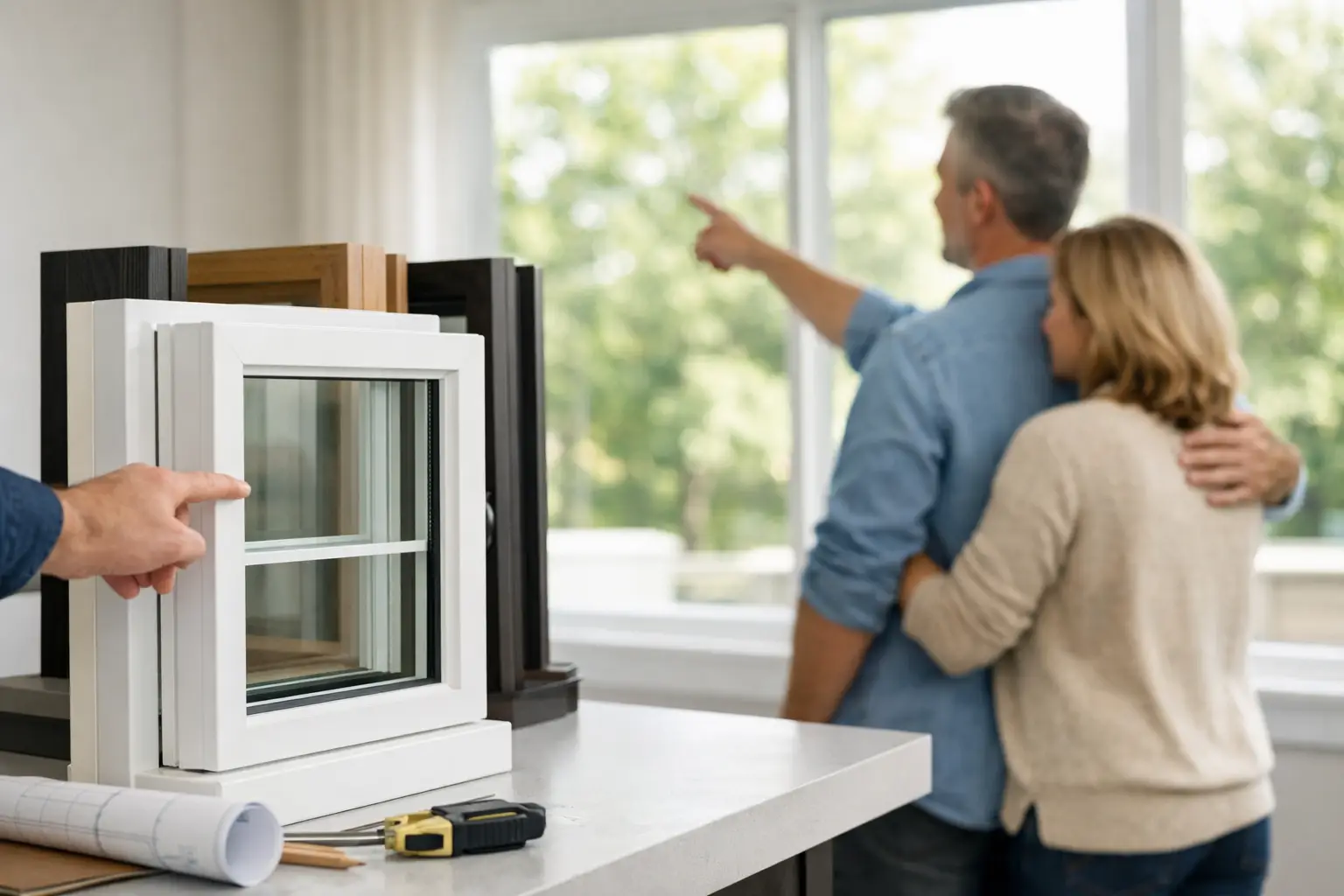
A window that sticks, leaks during a hard rain, or fogs between the panes is more than an annoyance. Along the Gulf Coast, it can affect comfort, energy use, and the condition of the wall around it. Knowing how to choose replacement windows starts with looking beyond the showroom sample. The right window needs to suit your home, your priorities, and the heat, humidity, and storm conditions common in Mobile and Baldwin Counties.
Replacement windows are a meaningful investment, so it pays to ask clear questions before making a decision. A lower upfront price may not be a better value if the window is poorly matched to the opening or installed without proper flashing and weather protection. On the other hand, the most expensive option is not automatically necessary for every room or every home.
Start With the Reason You Are Replacing Them
Before comparing brands, decide what problem the project needs to solve. Some homeowners are focused on drafts and rising utility bills. Others need easier operation, less outside noise, improved curb appeal, or windows that complement an older home’s architecture. If water has entered around the window, the priority should be finding and correcting the source of that moisture, not simply covering it with a new unit.
Walk through your home and make notes room by room. Are the windows difficult to open? Is there peeling paint or soft wood around the trim? Do you feel heat near sunny windows in the afternoon? Are there signs of condensation between glass panes? This gives you a practical starting point and helps prevent a one-size-fits-all decision.
It also helps to determine whether you need an insert replacement or a full-frame replacement. Insert windows fit into an existing frame when that frame is sound and square. They can be a good choice for certain homes, but they slightly reduce the visible glass area. Full-frame replacement removes the old window down to the rough opening. It is often the better path when frames are damaged, water intrusion is present, or you want to change the window’s size or style.
How to Choose Replacement Windows by Material
Window frame material affects appearance, maintenance, longevity, and cost. There is no single best material for every Coastal Alabama home. The right choice depends on your budget, the style of your house, and how much maintenance you are willing to take on.
Vinyl windows are popular because they are typically cost-effective, low-maintenance, and resistant to moisture. Quality matters here. Better vinyl windows have stronger frames, more substantial construction, and reliable hardware. A bargain vinyl window may look similar at first glance but can be less rigid and less dependable over time in strong sun and changing temperatures.
Fiberglass windows are known for strength and stability. They can be a good fit for homeowners who want a durable, low-maintenance option with a more refined appearance than many basic vinyl products. They usually cost more, but their performance can justify the investment in prominent areas of the home or in large openings.
Wood windows offer traditional beauty and are often appropriate for historic homes in Mobile and surrounding communities. They can be painted or stained and may preserve the character that makes an older home special. The trade-off is maintenance. In our humid climate, wood needs careful finishing, regular inspection, and proper installation to protect it from moisture.
Clad wood windows pair a wood interior with a protective exterior cladding, often aluminum or fiberglass. They are a strong option when homeowners want the warmth of wood indoors without exposing exterior wood to as much weather. They generally carry a higher price, but they can make sense for historic renovations and homes where architectural detail matters.
Look at Glass Performance, Not Just Pane Count
A double-pane window is common, but two panes alone do not tell the whole story. The type of glass coating, gas fill, spacer system, and seal quality all affect performance. Ask for the window’s energy ratings and have the contractor explain what they mean for your home.
The U-factor measures how readily a window transfers heat. Lower numbers generally indicate better insulation. The Solar Heat Gain Coefficient, or SHGC, measures how much solar heat passes through the glass. In a warm, sunny climate, a lower SHGC can help reduce unwanted heat gain, especially on west- and south-facing walls.
Low-E glass has a thin coating that helps manage heat transfer while still allowing natural light into the room. It is often a worthwhile feature in our area, but the best glass package can vary by orientation. A room with intense afternoon sun may benefit from a different approach than a shaded front porch or a north-facing bedroom.
Do not assume darker glass is always better. Heavy tint can change the appearance of your home and reduce visible light. A good plan balances heat control, daylight, and the view you want to keep.
Choose a Style That Works for Daily Living
Replacement windows should look right from the street, but they also need to work well from inside the home. Think about how you will clean them, how often you want ventilation, and whether furniture or landscaping limits access.
The most common options each serve a different purpose:
- Double-hung windows have two vertically moving sashes and suit many traditional homes. Models with tilt-in sashes can make cleaning easier.
- Casement windows hinge at the side and crank outward. They provide wide ventilation and a tight seal when closed, though they need clearance outside.
- Sliding windows move horizontally and work well where an outward-opening sash would interfere with a walkway, patio, or landscaping.
- Picture windows do not open, but they bring in broad views and natural light. They are often paired with operable windows nearby.
- Awning windows hinge at the top and can allow ventilation during a light rain. They are often useful in bathrooms, kitchens, and smaller openings.
For bedrooms, confirm that the selected window meets egress requirements if it serves as an emergency escape opening. This is especially relevant when renovating older homes or changing window sizes.
Do Not Overlook Coastal Weather and Protection
Mobile and Baldwin Counties experience heavy rain, high humidity, strong winds, and the possibility of severe storms. Your window selection should account for those conditions. Depending on your location and the design of your home, impact-rated windows may be worth considering. They can provide added protection against wind-borne debris and may reduce the need to install storm panels when a storm approaches.
Impact glass is not a requirement for every homeowner, and it costs more than standard glass. Some homeowners prefer standard windows paired with a storm protection plan. The right decision depends on your property’s exposure, your insurance requirements, your budget, and the level of protection that helps you feel prepared.
Regardless of the glass choice, pay attention to drainage and exterior sealing. Water should be directed away from the window opening, not trapped behind trim or siding. This detail often matters more to long-term performance than a sales brochure suggests.
Installation Quality Is Part of the Window’s Performance
Even an excellent window can underperform when installed carelessly. Proper replacement work includes accurate measuring, secure fastening, insulation around the opening where appropriate, flashing details, and exterior sealing that works with the home’s wall system. The installer should also inspect the condition of the sill, framing, trim, and siding as the old window comes out.
Ask how the contractor handles hidden damage. Rotten framing or deteriorated exterior trim is not always visible until removal begins. A dependable contractor will explain the issue, show you what was found, discuss the repair options, and communicate any cost change before moving ahead.
You should also ask about warranties. There may be a manufacturer warranty for the window and a separate workmanship warranty for installation. Understand what each covers, how long it lasts, and who you should contact if an issue appears later.
Compare Estimates on More Than Price
When reviewing proposals, make sure each estimate describes the same scope of work. Compare the window material, glass package, color, grids, hardware, screens, removal of old windows, trim repairs, disposal, and finishing work. An estimate that appears lower may exclude items another contractor has already included.
Clear communication is a practical part of value. You should know who will manage the job, when the windows are expected to arrive, how your home will be protected during installation, and what the cleanup process includes. For homes with original details or historic character, ask how the team will preserve surrounding trim, siding, and interior finishes.
A well-chosen window should make your home feel more comfortable without creating a new maintenance headache. Bring photos of the rooms, note where you feel drafts or see moisture, and ask for an explanation in plain language. At Integrity Remodeling & Construction, that kind of careful conversation is where a dependable window project begins.
Related Posts