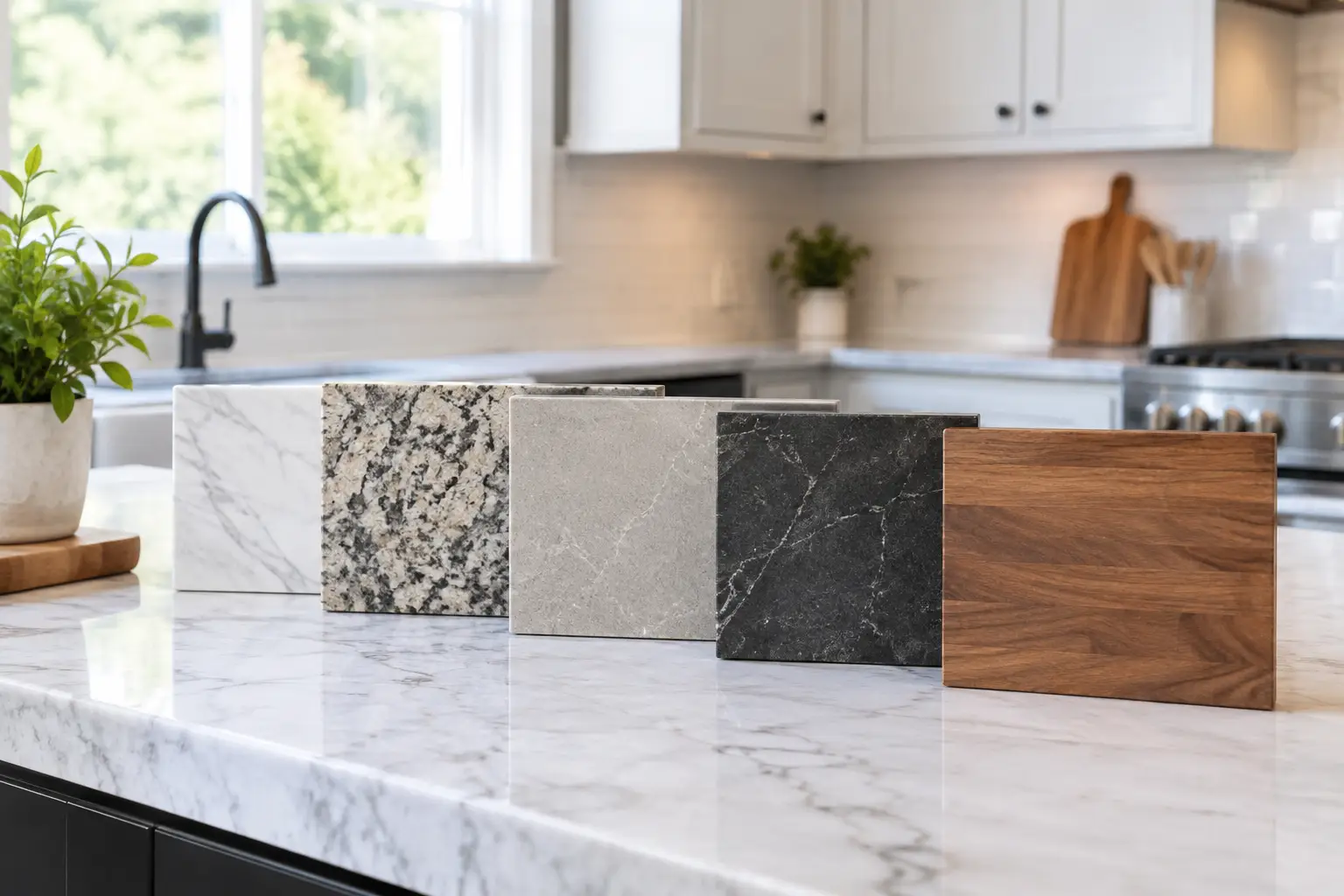
Compare the best kitchen countertop materials for Mobile and Baldwin County homes, including durability, maintenance, cost, and best fit for your kitchen.
10 Signs Siding Needs Replacement at Your Home
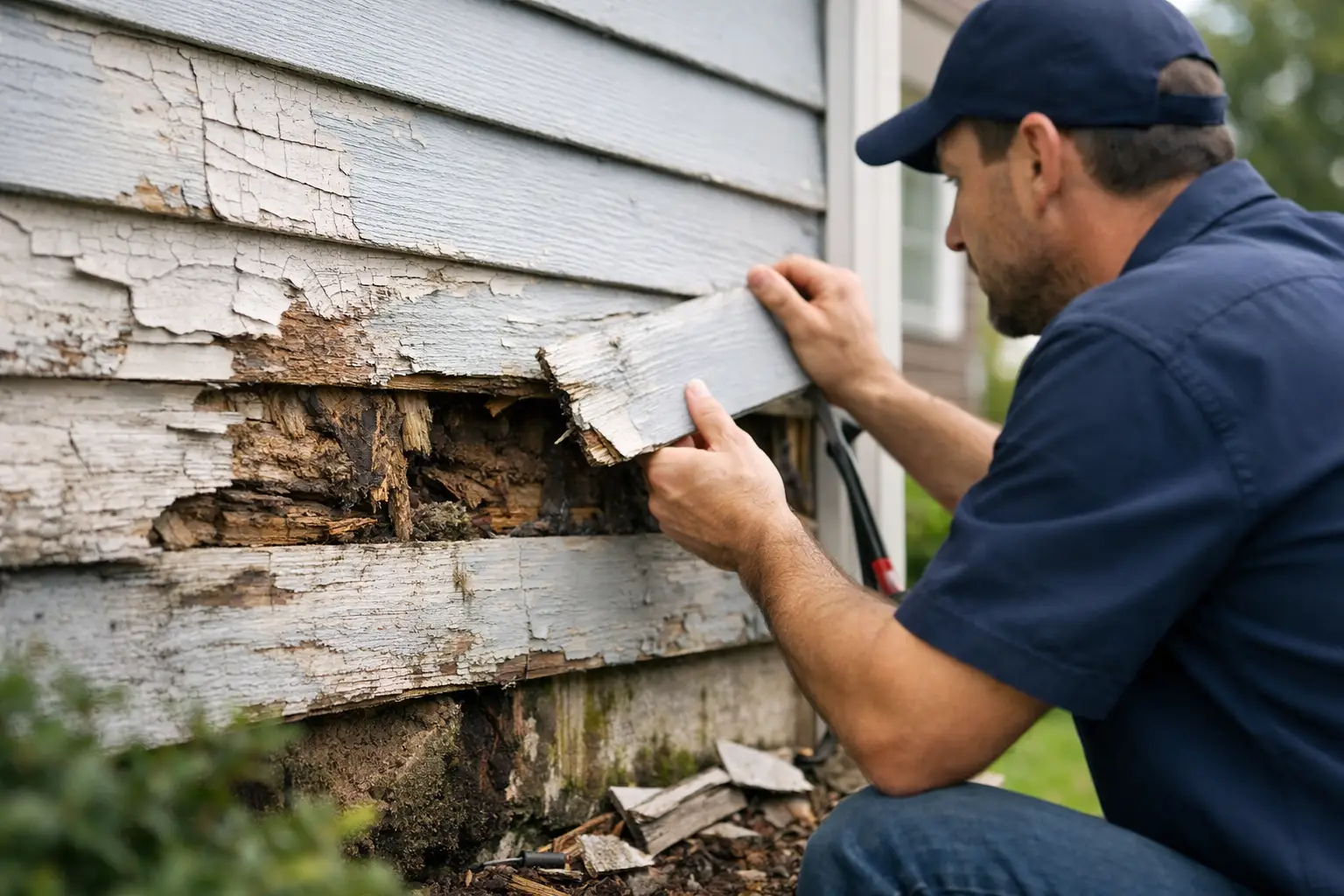
A loose siding panel after a summer storm may look like a small repair. But when water gets behind the exterior, the problem can spread quietly into wall sheathing, insulation, trim, and framing. Knowing the signs siding needs replacement gives Mobile and Baldwin County homeowners a chance to address damage before it becomes a larger renovation.
Siding has a demanding job on the Gulf Coast. It stands up to intense sun, humidity, wind-driven rain, salt air in coastal communities, and the occasional severe storm. Some problems can be repaired successfully. Others signal that the siding system is no longer protecting your home as it should.
1. Cracks, Holes, or Broken Panels Keep Appearing
A single small crack in vinyl siding or a damaged piece of wood trim may be repairable, especially if the surrounding siding is in good condition. Repeated cracks, brittle panels, missing pieces, or holes in several areas are different. Those issues often mean the material has aged past the point where spot repairs will hold up.
Cracks and gaps allow rain, insects, and humid air to reach the materials behind the siding. In our climate, that moisture can create trouble quickly. If panels are breaking during ordinary temperature changes or coming loose in moderate winds, replacement is usually worth discussing.
2. Your Siding Is Warped, Buckled, or Wavy
Siding should sit flat and even across the exterior. Warping, buckling, rippling, or panels that appear to pull away from the wall can point to several concerns: heat damage, improper installation, moisture behind the siding, or movement in the wall itself.
Vinyl siding can distort under extreme heat, while wood siding may cup or swell after repeated exposure to moisture. Either way, a wavy appearance is more than a cosmetic concern. It can leave openings where water can travel behind the exterior surface.
A contractor should inspect the area before recommending a fix. Sometimes a localized installation issue can be corrected. If the condition is widespread, replacement may be the more dependable long-term solution.
3. You See Rot, Soft Wood, or Persistent Moisture Damage
Wood siding and wood trim require careful attention in Mobile and Baldwin Counties. Peeling paint, dark staining, soft spots, and crumbling edges can all indicate moisture has gotten into the wood. Press gently around suspect areas, particularly near windows, doors, rooflines, corners, and the bottom courses of siding. Wood that feels soft or gives under light pressure should be inspected promptly.
Rot does not always stay where it starts. A failed caulk joint, flashing issue, or damaged board can direct water behind nearby materials. Replacing a few boards may be appropriate when the damage is limited and the underlying wall is dry and sound. When rot appears in multiple locations, it is wise to look beyond the surface and consider a more complete siding project.
4. Paint Will Not Hold or Fading Is Severe
Exterior paint eventually needs maintenance, particularly under Alabama sun and rain. But paint that blisters, peels, or flakes soon after repainting may be warning you about trapped moisture, failing substrate, or aging siding.
Severe fading is also worth considering. Faded siding alone does not necessarily require replacement, but it can be part of a larger pattern of wear. If the finish is dull, panels are brittle, and repairs are becoming common, putting more money into paint may not be the best value.
For homeowners who want a refreshed exterior without frequent upkeep, new siding can provide a cleaner appearance and a more reliable weather barrier. Material selection still matters. The right option depends on your home’s style, maintenance expectations, budget, and exposure to weather.
5. Mold, Mildew, or Water Stains Return After Cleaning
Surface mildew can be common in shaded, humid areas and may simply need routine cleaning. The concern rises when dark streaks, mold, or water stains return quickly, appear around joints, or are accompanied by soft siding and deteriorated caulk.
Inside the home, watch for musty odors, unexplained stains on walls, or peeling paint near exterior walls. These conditions can have several causes, so siding should not be blamed automatically. A careful inspection can identify whether moisture is entering through siding, trim, windows, roofing, or another part of the exterior.
The goal is not just to make the house look clean again. It is to find the path water is taking and correct it before hidden damage grows.
6. Caulked Joints and Repairs Are Taking Over the Exterior
Caulk is useful for sealing proper joints around trim, windows, and penetrations. It is not a substitute for sound siding. When large gaps are repeatedly filled with caulk, panels are patched in many places, or previous repairs are visibly failing, the exterior may be nearing the end of its useful life.
Too many small repairs can become expensive without solving the underlying problem. Homeowners are sometimes better served by investing in replacement siding, updated trim, and proper flashing rather than continuing to patch a system that no longer performs well.
7. Higher Energy Bills Come With Drafty Rooms
Siding is not insulation by itself, but a failing exterior system can contribute to comfort problems. Gaps around damaged siding, deteriorated trim, and poor sealing can allow humid outdoor air into wall cavities. You may notice rooms that feel hotter in summer, cooler in winter, or harder to keep comfortable near exterior walls.
Energy bills alone do not prove your siding needs to be replaced. Aging windows, attic insulation, ductwork, and HVAC performance can all play a role. Still, when higher utility costs occur alongside visible exterior deterioration, a full assessment is a practical next step.
8. Insects Are Getting Into Damaged Areas
Termites, carpenter ants, and other pests are drawn to moisture-damaged wood and openings around the exterior. Small holes, insect activity, sawdust-like material, or deteriorated boards deserve prompt attention. The issue may be limited to trim or a small section of siding, but it should not be ignored.
Before replacement begins, any active pest concern should be addressed appropriately. Then the damaged material, moisture source, and exterior openings can be corrected so the repair lasts.
9. Your Siding Has Reached Its Expected Service Life
Every siding material has a different lifespan, and maintenance makes a difference. Wood siding can last for decades with consistent painting, sealing, and timely repairs. Vinyl can also serve a home well for many years, but sun exposure, storm damage, and installation quality affect how long it performs.
Age alone is not a reason to replace siding. A well-maintained older exterior can still be in good shape. But if your siding is near or beyond its expected lifespan and showing several other warning signs, replacement planning is usually smarter than waiting for a failure during storm season.
10. Your Home’s Exterior No Longer Feels Protected
Sometimes the clearest sign is the overall condition of the house. Loose shutters, failing trim, damaged soffits, stained walls, mismatched patches, and weathered siding can make an otherwise well-kept home feel neglected. Beyond curb appeal, that appearance may reflect a building envelope that needs attention.
For older and historic homes, the decision requires additional care. Original wood details may be worth preserving and repairing rather than replacing with a generic solution. An experienced remodeling contractor can help separate what should be restored from what needs replacement, while respecting the character of the home.
What a Professional Siding Inspection Should Clarify
A dependable siding recommendation should not be based on a quick glance from the driveway. The inspection should consider the siding material, visible damage, condition of trim and caulk, flashing around openings, signs of moisture, and whether the wall behind the siding has been affected.
It should also clarify the scope of work. Ask whether damaged sheathing will be repaired if discovered, how windows and doors will be flashed, what happens to existing trim, and how the job site will be protected and cleaned up. Honest communication on these details helps prevent unwelcome surprises once work begins.
Integrity Remodeling & Construction approaches exterior projects with the same care given to the rest of a home renovation: clear expectations, quality craftsmanship, and dependable project management. A free estimate can help you understand whether a targeted repair or full replacement makes better sense for your home.
If your exterior has started showing more than one of these warning signs, do not wait for the next heavy rain to make the decision for you. A careful inspection now can protect your home, your comfort, and the investment you have worked hard to build.
Related Posts