Wondering what is the best material for a coastal deck? Compare composite, PVC, wood, and aluminum for Alabama's salt, sun, storms, and coastal weather.
Patio Enclosure Options for Gulf Coast Homes
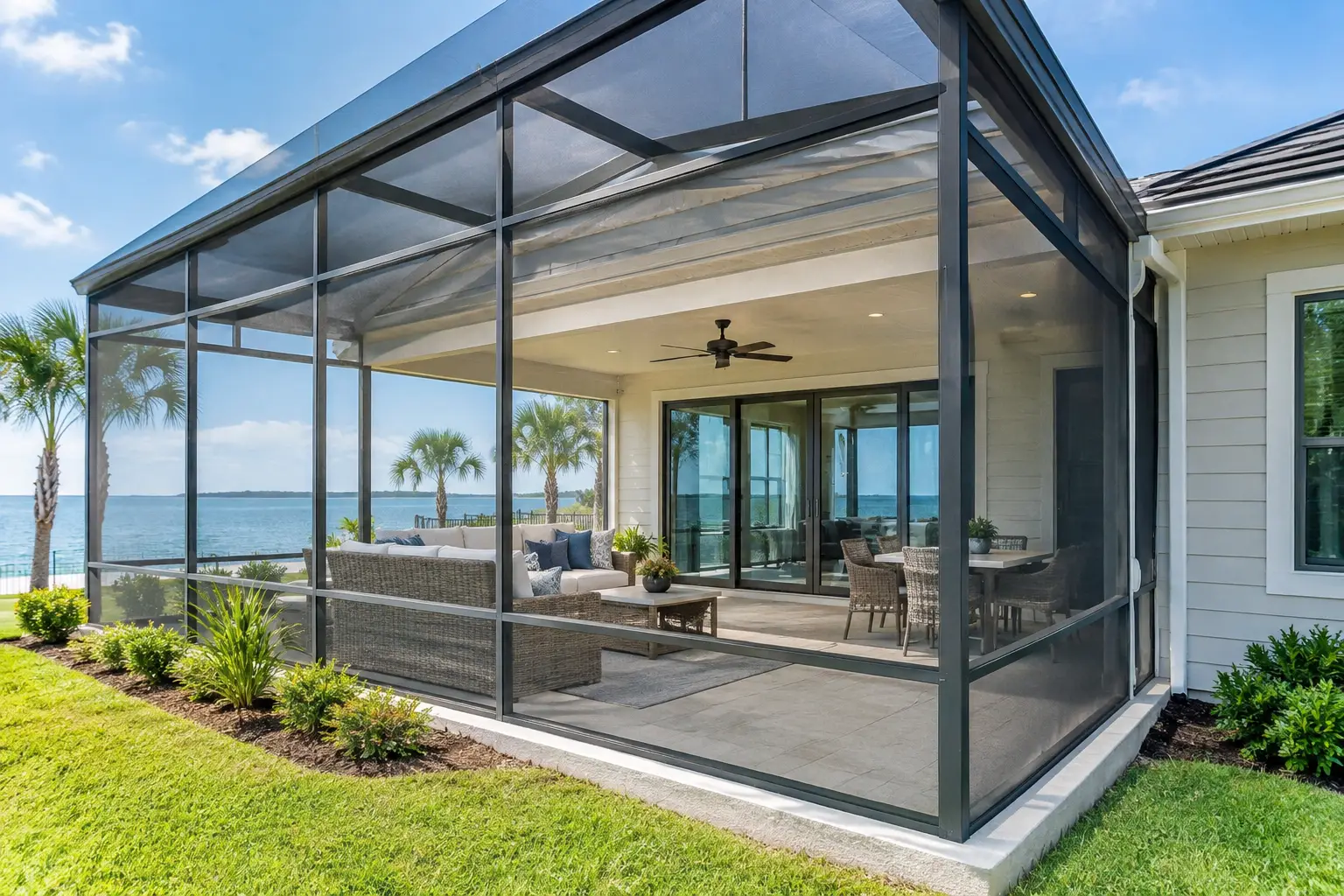
A patio can be one of the best parts of a home on the Alabama Gulf Coast – until mosquitoes arrive, afternoon heat settles in, or a passing shower sends everyone back inside. An enclosure changes how often you can use that space, but the right answer is not the same for every home. The best patio enclosure options depend on how you plan to use the area, the condition of the existing patio, your budget, and how much protection from weather you expect.
For homeowners in Mobile and Baldwin Counties, moisture, humidity, wind-driven rain, and long summers should be part of the decision from the start. A well-planned enclosure can create a comfortable place for morning coffee, family meals, entertaining, or quiet evenings without turning into a maintenance burden.
Start With How You Want to Use the Patio
Before comparing materials or looking at photos, think about the role the new space needs to play. A homeowner who mainly wants relief from bugs may be well served by a screened enclosure. Someone who wants a bright room for reading, plants, and holiday gatherings may be happier with a sunroom or three-season room.
Also consider how many months you want to use the space. An open patio cover provides shade but does little to block insects or rain. A screen room extends the outdoor season considerably, while an insulated, conditioned sunroom can function much more like an extension of the house.
The existing structure matters, too. A sound concrete slab may provide a strong starting point. If the patio has drainage problems, cracks, settling, or a low elevation that allows water to collect near the home, those concerns should be addressed before an enclosure is built on top of it. Quality craftsmanship begins with the foundation, not the finish details.
Common Patio Enclosure Options
Screened porch or screen room
A screened porch encloses a covered patio with framing and durable screening. It remains an outdoor space, but it gives you a clear barrier against mosquitoes, leaves, and much of the debris that blows across an uncovered patio.
For many Gulf Coast homeowners, this is the most practical balance of cost and comfort. Air can still move through the room, which is welcome during warm weather, and ceiling fans can make a noticeable difference. Screens do not stop humidity, pollen, or heavy wind-driven rain, however. Furniture should still be selected with outdoor conditions in mind.
Screen rooms can be built with traditional screen panels or upgraded with stronger, tighter mesh where insect control or pet resistance is a priority. The framing, roof tie-in, and flashing are just as important as the screen itself. Water must be directed away from the home, and the new enclosure should look like it belongs with the original house.
Three-season room
A three-season room adds more protection than a standard screen porch. These spaces often use large windows, removable panels, or vinyl window systems that can be opened when the weather is pleasant and closed when rain or cooler temperatures arrive.
This option works well for homeowners who want an outdoor feel without being fully exposed. It can reduce rain intrusion, keep the patio cleaner, and make the room usable for more of the year. The trade-off is that most three-season rooms are not insulated or conditioned like the main home, so they can still become hot in August and chilly during a winter cold snap.
Ventilation should be planned carefully. Large operable windows, ceiling fans, proper shading, and the direction the room faces all affect whether the space feels inviting or overheated.
Four-season sunroom
A four-season sunroom is the closest choice to a true home addition. It typically includes insulated walls, energy-efficient windows, a finished ceiling and floor, and heating and cooling that are properly designed for the added square footage.
This is a strong option when you want a year-round sitting room, dining area, hobby space, or bright retreat with views of the yard. Because it is more substantial, it requires careful design, structural planning, and attention to permits and local building requirements. It also carries a higher investment than a screen room or three-season enclosure.
The biggest mistake is treating a sunroom like a simple patio upgrade. If the room will be air conditioned, the insulation, windows, roof connection, electrical work, and HVAC capacity all need to be evaluated. A room that looks good but struggles with heat gain or moisture will not deliver the comfort you expected.
Patio cover with outdoor curtains or shades
For homeowners who want shade and a defined outdoor living area without fully enclosing the patio, a roof cover with outdoor-rated shades or curtains can be a sensible middle ground. It provides protection from direct sun and light rain while preserving an open-air feel.
This choice is generally less effective for insects and sideways rain, but it can be ideal for a home that already has good breezes and a patio used mostly for casual daytime gathering. Retractable shades can also help manage low afternoon sun without closing off the view permanently.
Louvered or retractable enclosure systems
Louvered roof systems and retractable screens offer flexibility. Adjustable louvers can open for sun and airflow or close for shade and rain protection, while motorized screens can create temporary walls when insects are active.
These systems can be attractive, but they are not automatically the right fit for every home. Mechanical components need dependable installation and periodic maintenance, and the system must be selected with local wind and rain conditions in mind. They are often best for homeowners who value flexibility and are prepared for a more premium investment.
Planning for Gulf Coast Weather
In our area, patio enclosure decisions should be made with more than sunny weekends in mind. Heavy rainfall and persistent humidity put pressure on drainage details, materials, and roof connections. Salt air may also be a consideration closer to the coast, where corrosion-resistant hardware and appropriate finishes can help protect the investment.
A proper evaluation looks at the roofline, gutters, grading, existing slab, and connection points at the house. It also considers where water goes when a storm brings several inches of rain. Closing in a patio can change drainage patterns, so this is not a detail to leave until the end of the project.
Sun exposure deserves equal attention. A west-facing enclosure with broad expanses of glass may need shading, insulated glass, and a realistic plan for cooling. On the other hand, a screened room under a mature tree canopy may need less sun control but more thought given to leaf debris and roof cleaning.
Budget Beyond the Initial Build
The least expensive patio enclosure option is not always the best value. A basic screen room may meet your needs beautifully if your goal is bug-free outdoor living. Spending more for insulated windows and HVAC would not make sense if you prefer the fresh air and do not expect to use the room in colder weather.
At the same time, choosing a lower-cost approach for a space you hope to use every day can lead to frustration. If you envision comfortable summer afternoons, host family dinners year-round, or need a room that feels connected to your home, a more complete sunroom or addition may be the better long-term decision.
Ask for a clear scope of work that explains what is included: site preparation, structural work, roofing, electrical, ceiling fans, finishes, drainage adjustments, permits, and cleanup. Honest communication about those details helps prevent surprises once construction begins.
Choosing a Design That Belongs With Your Home
An enclosure should improve the home rather than look added on. Matching roof pitch, trim profiles, siding, paint color, and window style can make a significant difference. This is especially important for older homes, where proportions and architectural details deserve careful attention.
Inside the enclosure, choose finishes based on the level of weather protection. Tile, sealed concrete, and other moisture-tolerant flooring are practical for screen rooms. A conditioned sunroom may allow more interior-style finishes, but materials should still be selected with Alabama humidity in mind.
The most successful projects are built around the way a family actually lives. A screened porch with a fan, durable seating, and room for a table can become the most-used area of the house. A thoughtfully designed sunroom can provide needed living space without changing the character of the home.
At Integrity Remodeling & Construction, the goal is to help homeowners make that choice with a clear plan, dependable project management, and no pressure to build more than the home truly needs. A patio enclosure should give you another reason to enjoy where you live – even when the Gulf Coast weather is doing its best to keep you indoors.
Related Posts