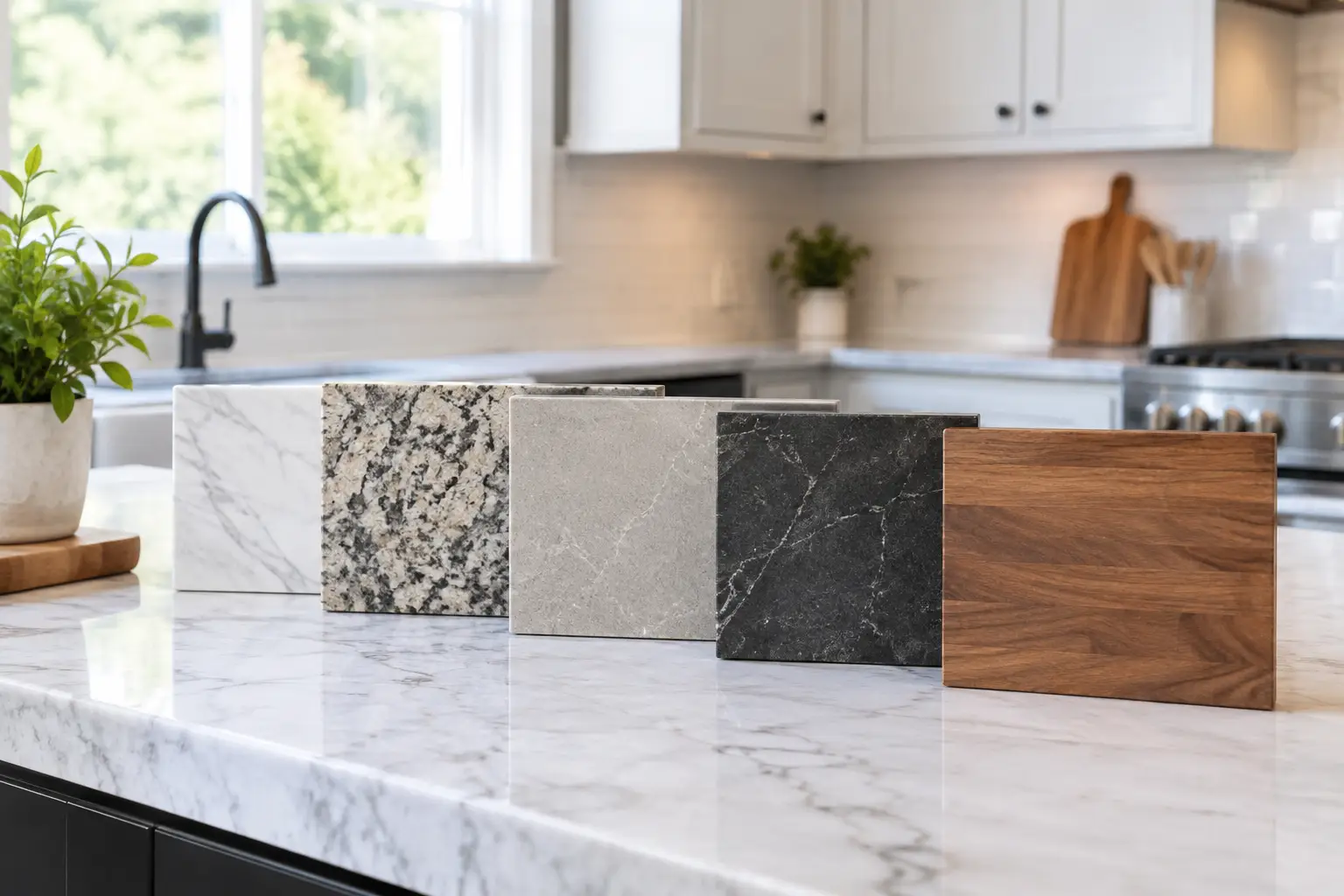
Compare the best kitchen countertop materials for Mobile and Baldwin County homes, including durability, maintenance, cost, and best fit for your kitchen.
Best Low Maintenance Decking for Gulf Coast Homes
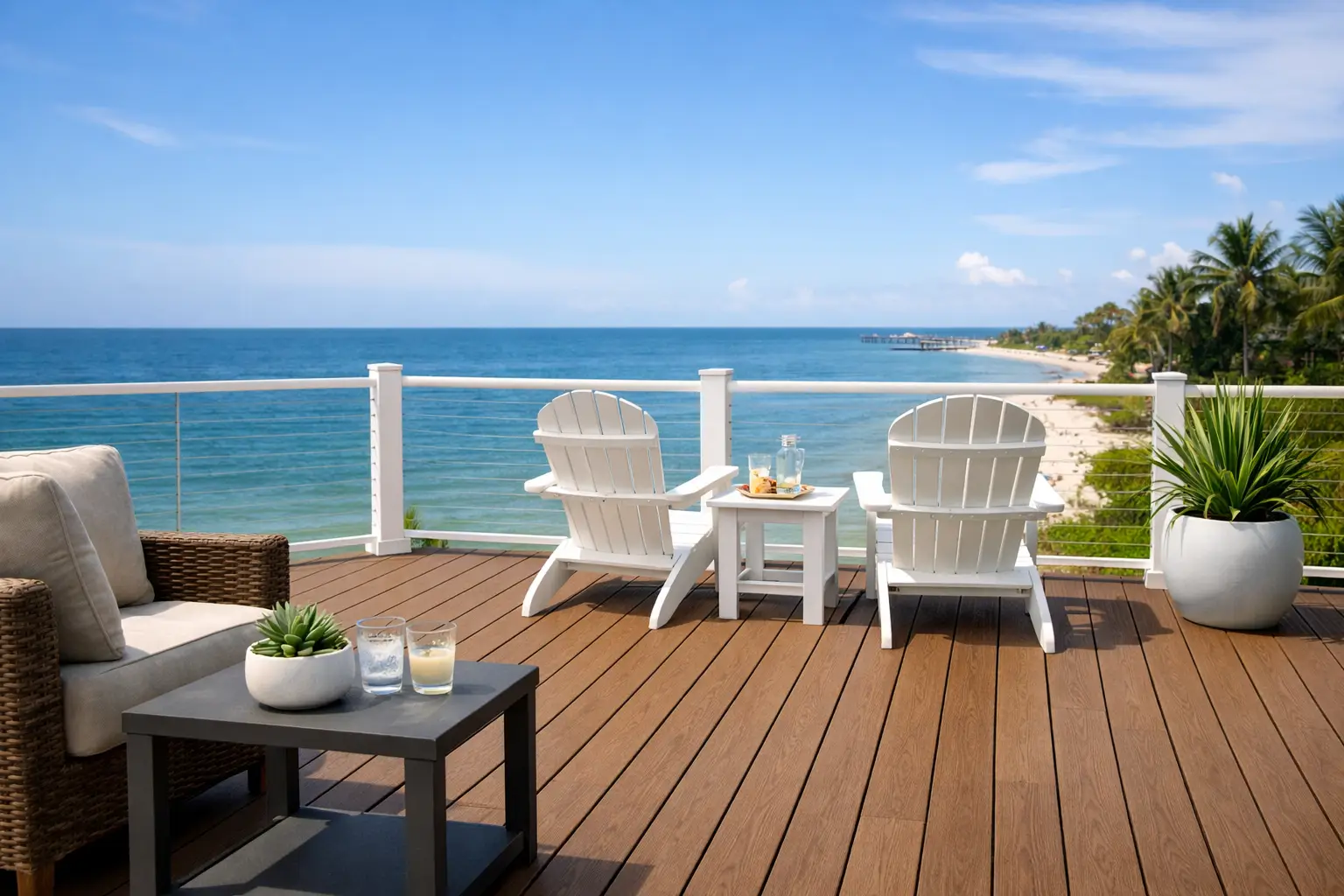
A deck on the Alabama Gulf Coast has a tougher job than a deck in many other parts of the country. It faces humid summers, heavy rain, intense sun, wind-driven debris, pollen, and salt air near the water. The best low maintenance decking is the material that can handle those conditions without asking you to spend every spring sanding, staining, and replacing boards.
For homeowners in Mobile and Baldwin Counties, the right choice is rarely just about the color or the upfront price. It is about how the deck will look and perform after years of family cookouts, wet feet from the pool, and changing coastal weather. A well-built deck with the right material should give you more time outside and fewer weekend repair projects.
What “low maintenance” really means for a deck
No decking material is completely maintenance-free. Every deck needs occasional cleaning, a check of fasteners and railings, and attention after a major storm. Low maintenance means the surface does not need regular painting, sealing, staining, or extensive repairs to remain safe and attractive.
In our climate, moisture resistance matters as much as appearance. Materials that hold water can swell, crack, cup, or support mildew growth. Strong sunlight can fade lesser-quality products, while salt exposure can shorten the life of unprotected metal hardware. The best decision accounts for the deck boards, framing, fasteners, railings, drainage, and the amount of direct sun the space receives.
Best low maintenance decking materials compared
Composite decking and PVC decking are the two leading choices for homeowners who want the appearance of a finished deck without the recurring maintenance of natural wood. Aluminum is another strong option in the right setting. Pressure-treated lumber can be practical for a tighter budget, but it requires more care over time.
Capped composite decking: the balanced choice
Capped composite decking is made from a blend of wood fibers and recycled plastic, with a durable outer cap designed to resist moisture, fading, stains, and everyday wear. For many Mobile and Baldwin County homeowners, it offers the best balance of appearance, durability, and long-term upkeep.
Quality composite boards come in colors and grain patterns that feel warmer and more natural than older composite products. They do not need staining or sealing, and routine cleaning with soap, water, and a soft brush is usually enough to keep the surface looking good. Because the boards are not bare wood, they are far less likely to splinter, rot, or attract termites.
There are trade-offs. Composite costs more at installation than pressure-treated wood, and darker colors can become hot in direct Alabama sun. It also expands and contracts with temperature changes, so correct spacing and experienced installation are essential. A poorly installed composite deck can have drainage issues, uneven gaps, or boards that move more than they should.
For most homeowners seeking a long-lasting deck with a traditional look and reasonable upkeep, capped composite is often the strongest overall choice.
PVC decking: maximum moisture resistance
PVC decking is made without wood fibers. That gives it a clear advantage in damp locations, around pools, beneath dense tree cover, and at homes exposed to frequent rain or coastal moisture. Since there is no organic material in the board, PVC does not rot and is highly resistant to mold and mildew damage.
This material is lightweight, easy to clean, and available in several finished looks. It is an especially sensible choice for elevated decks where airflow may be limited or for properties closer to Mobile Bay and the coast. Homeowners who want the highest level of moisture protection often find PVC worth the added investment.
The main consideration is cost. PVC is commonly one of the more expensive decking options, and some people prefer the more natural texture of high-quality composite. Like composite, it can also feel hot under bare feet in full sun. Choosing a lighter color and planning for shade can make a noticeable difference on a south-facing deck.
Aluminum decking: strong and exceptionally durable
Aluminum decking is less common in residential backyards, but it deserves consideration for certain projects. It will not rot, warp, split, or attract insects. Many systems have interlocking boards that shed water below the deck, creating a dry area that can be used for storage, a patio, or an outdoor living space.
Aluminum can be an excellent solution for elevated decks, waterfront properties, and homes where under-deck drainage is a priority. It is also lightweight and can last for decades with very little surface maintenance.
Its look is more modern and less wood-like than composite or PVC, which may not suit every home. It can also be noisier in heavy rain, though a properly designed ceiling or under-deck area can help reduce that concern. Upfront costs are generally high, so aluminum makes the most sense when its drainage and durability benefits solve a specific problem.
Pressure-treated wood: lower first cost, higher commitment
Pressure-treated pine remains a common decking material because it is familiar, readily available, and more affordable upfront. It can be a good fit for homeowners who want a straightforward deck now and are comfortable with regular upkeep.
However, it is not the best low maintenance decking choice. Even treated wood needs periodic cleaning, sealing or staining, and close inspection for splinters, loose boards, cracks, and moisture damage. The Gulf Coast’s humidity can speed up the cycle of maintenance, especially in shaded areas where the deck dries slowly.
A wood deck can still be beautiful and durable when properly built and cared for. It simply requires a homeowner to plan for maintenance as part of the cost of ownership. If avoiding that work is a major priority, composite or PVC will usually be a better fit.
The framing matters as much as the deck boards
Choosing a premium board will not make up for poor framing, inadequate footings, or hardware that is not suited to the environment. A low-maintenance deck starts with a solid structure designed for drainage, airflow, and the load it will carry.
In coastal Alabama, fasteners and connectors deserve particular attention. Corrosion-resistant hardware helps protect the deck from moisture and salt exposure. Proper flashing where the deck attaches to the house is equally important. A failed flashing detail can allow water behind siding and create costly damage that has nothing to do with the decking surface.
Deck joists should be spaced according to the manufacturer’s requirements for the selected boards. Composite and PVC products often need different spacing than wood, particularly when boards are installed diagonally. Good construction also includes a slight slope away from the home where appropriate, gaps for water to drain, and access to inspect the structure later.
How to choose the right material for your home
Start by thinking honestly about how you will use the space. A covered porch-style deck may have different needs than an uncovered pool deck. A family with children and pets may prioritize scratch resistance and bare-foot comfort, while a retiree planning to stay in the home may place the highest value on long-term upkeep and safety.
Sun exposure is another deciding factor. If the deck receives direct afternoon sun, bring home sample boards and look at them outside before choosing a color. A dark charcoal board can look sharp, but it may be uncomfortable on bare feet in July. Lighter shades typically stay cooler and can also make a smaller deck feel more open.
Consider the style of the home as well. Warm-toned composite may complement a traditional home in Fairhope or Daphne, while a clean-lined PVC or aluminum system can suit a more contemporary exterior. Railings, steps, lighting, and skirting should be planned at the same time so the finished project feels intentional rather than pieced together.
Finally, compare the long-term cost instead of only the initial estimate. Pressure-treated wood may cost less to install, but years of stain, sealer, cleaning products, repairs, and labor can narrow the difference. Composite and PVC cost more at the beginning but can provide predictable ownership costs and more free weekends over the life of the deck.
A practical recommendation for Gulf Coast homeowners
For a typical backyard deck in Mobile or Baldwin County, capped composite is usually the most practical all-around recommendation. It offers a broad range of colors, strong resistance to moisture and insects, and a finished appearance without the recurring stain-and-seal routine. PVC is the better choice when moisture exposure is especially severe or when maximum rot resistance is the goal. Aluminum is worth considering for elevated structures that need a dry space underneath.
The material is only one part of a dependable project. Careful design, proper drainage, quality fasteners, and straightforward communication during construction protect the investment just as much as the board you select. Integrity Remodeling & Construction approaches deck projects with those details in mind, helping homeowners choose a solution that fits their home, budget, and plans for the years ahead.
A deck should not become another item on a long weekend to-do list. Choose a material that suits the Gulf Coast, build it correctly from the ground up, and you can spend more of your time enjoying the space you created.
Related Posts