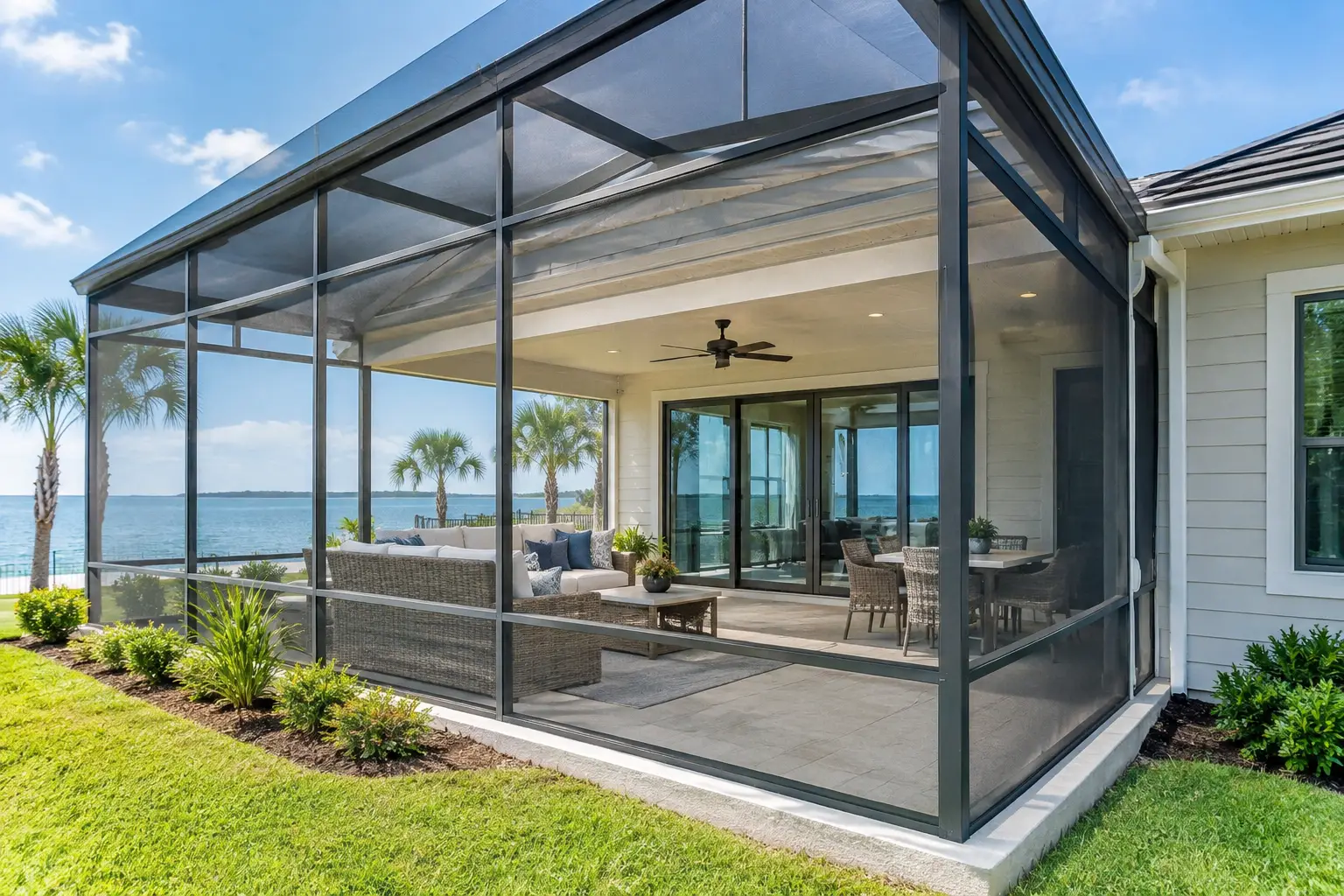
Compare patio enclosure options for Mobile and Baldwin County homes, from screened rooms to sunrooms, with guidance on daily comfort, cost, and upkeep.
Deck Builders and the Details That Matter
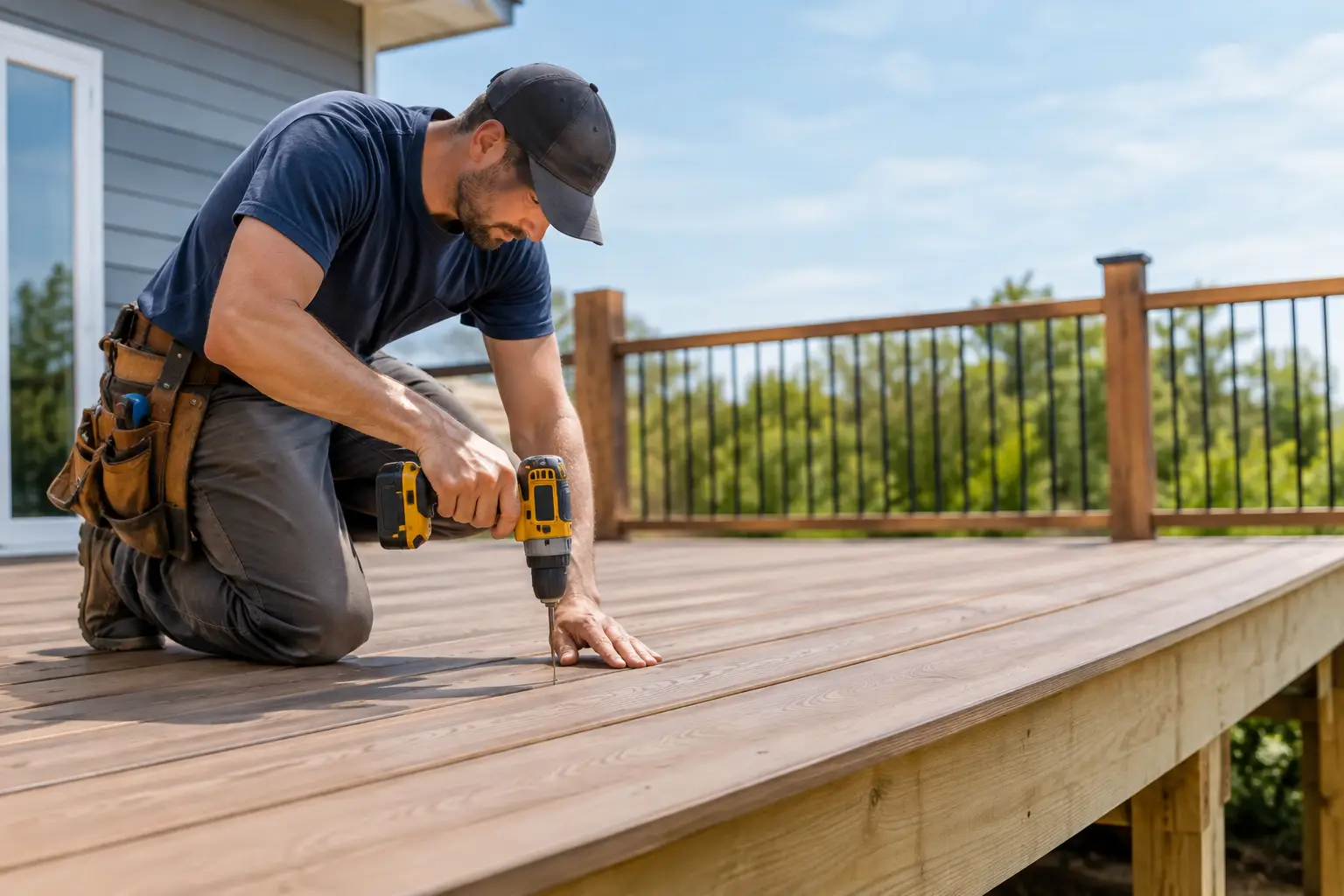
A new deck can change how your home works on an ordinary Tuesday evening. It can give your family a place to eat outside, create room for visiting grandchildren, or make a backyard feel like part of the house instead of space you only look at through a window. But choosing deck builders is about more than finding someone who can install boards and railings. On the Gulf Coast, a deck has to stand up to heat, humidity, heavy rain, and the wear that comes with real family use.
The right project starts with clear plans, honest conversations, and construction details that protect your investment long after the first cookout. For homeowners in Mobile and Baldwin Counties, those details deserve close attention.
What Good Deck Builders Should Consider First
A deck should fit both the house and the people who live there. Before discussing material colors or railing styles, a contractor should ask how you plan to use the space. A small landing outside a back door has different needs than a large outdoor gathering area with room for seating, grilling, and dining.
The layout also needs to work with your property. Yard slope, drainage patterns, access from the home, mature trees, existing patios, and utility locations can all affect the design and cost. A thoughtful plan accounts for these conditions early, rather than treating them as unexpected problems after work has begun.
Height matters, too. A low platform deck may require a different foundation approach than an elevated deck off a second-story room. Elevated structures need carefully designed framing, secure connections to the home when applicable, proper bracing, stairs, and guardrails. These are not decorative details. They are essential to safety and long-term performance.
Experienced deck builders should be comfortable explaining why a certain approach is recommended. Homeowners should not have to guess whether a detail is necessary or simply added to the proposal. Clear communication is part of quality workmanship.
Materials Matter in Coastal Alabama
The material you choose will shape the deck’s appearance, maintenance needs, and budget. There is no single best option for every homeowner. The right choice depends on how much maintenance you are comfortable handling, how much direct sun the area receives, and the look you want to achieve.
Pressure-treated lumber remains a practical choice for many projects. It can be cost-effective, strong, and versatile when properly installed and maintained. It does, however, need regular care. Cleaning, staining, and sealing help protect wood from moisture and sun exposure. Wood can also move naturally over time, which is part of owning a real-wood deck.
Composite decking appeals to homeowners who want less routine maintenance and consistent color. It does not eliminate all upkeep. Pollen, leaves, spilled food, and mildew still need attention, especially in shaded or damp areas. Composite products also vary widely in quality, texture, heat retention, and price. A lower-cost option may not offer the same durability or finish as a premium product.
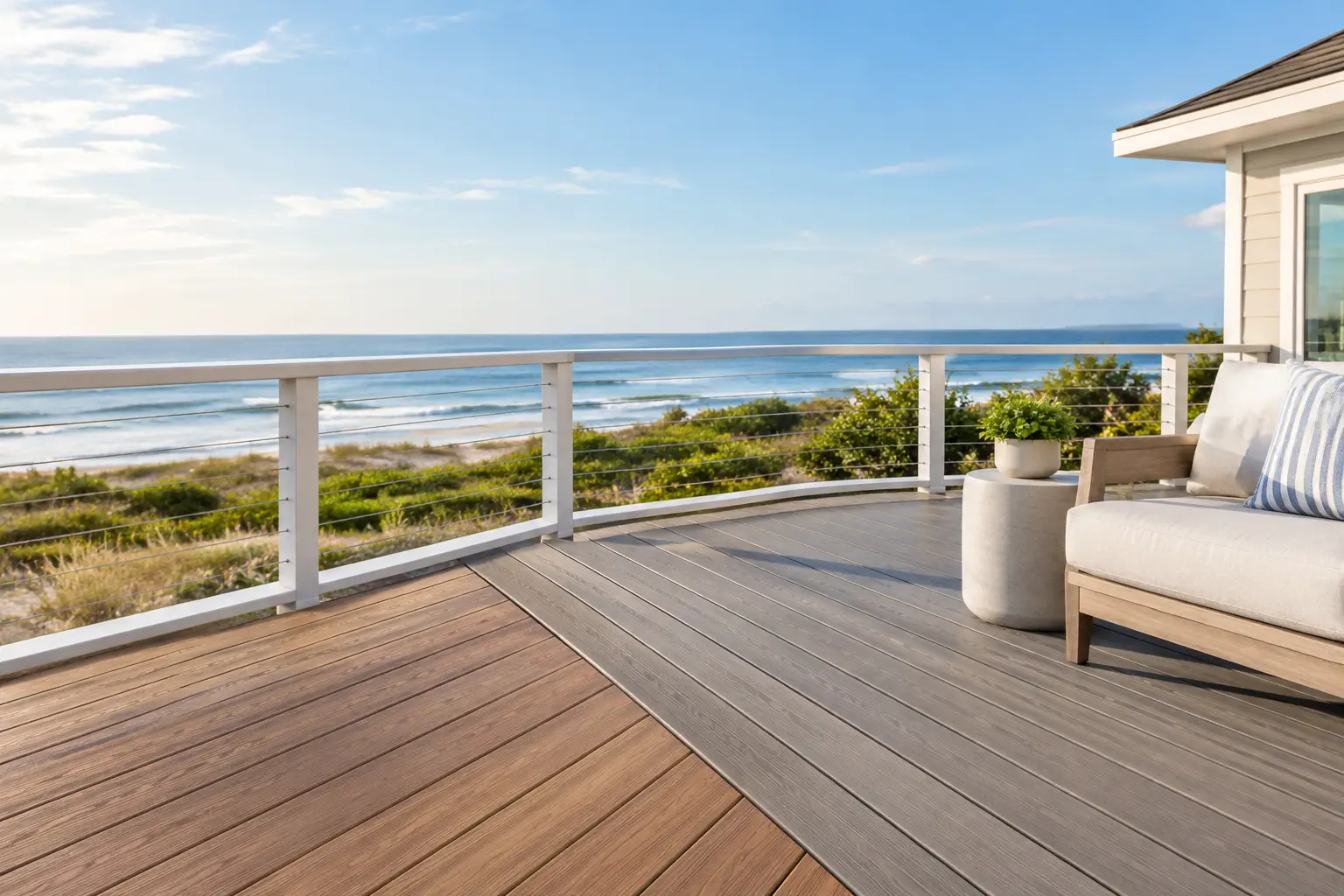
Railings deserve the same level of consideration. Wood railings, metal balusters, cable systems, and composite railing packages all create a different look and require different levels of maintenance. The best choice should complement the home while meeting applicable safety requirements.
For homes near the bay, beach, or other exposed locations, hardware selection is especially important. Connectors and fasteners need to be suited to the environment so corrosion does not undermine the structure over time. A deck is only as dependable as the components holding it together.
Drainage and Framing Are Where Quality Shows
The surface boards are what everyone sees. The framing underneath is what determines whether the deck stays stable, drains properly, and remains safe. Homeowners comparing estimates should make sure they are comparing more than the visible finish.
Proper footings, sound framing lumber, joist spacing that matches the selected decking, flashing at the house connection, and approved hardware all matter. When a deck attaches to a home, the connection must be handled carefully to keep water from reaching vulnerable areas behind the siding. Poor flashing can lead to hidden damage that becomes much more expensive than the original deck work.
Water management is particularly important along the Gulf Coast. Rainwater should move away from the home and not collect under the deck. In some yards, that may mean adjusting grading, adding drainage solutions, or planning the deck elevation with runoff in mind. A contractor who takes a close look at the site before proposing a solution can help prevent avoidable trouble later.
Ventilation is another consideration for low decks. When framing sits close to the ground, moisture can linger beneath it. The design should allow for appropriate airflow and access where possible. These choices are not always exciting to discuss, but they are often the choices that separate a deck that looks good on day one from one that performs well for years.
Questions to Ask Before Hiring Deck Builders
A free estimate is a useful starting point, but it should lead to a meaningful conversation. A trustworthy contractor welcomes questions because a homeowner deserves to understand what is being built and how the work will be managed.
Ask whether the estimate clearly identifies the scope of work, including demolition if needed, framing, decking, railings, stairs, finish work, and cleanup. If permits or inspections are required, ask who will handle them. Permit requirements can vary by location and project type, so assumptions can create delays.
It is also fair to ask about the proposed materials and why they are a good fit for your home. If two estimates have very different prices, the difference may come from material quality, footing depth, railing systems, structural details, or the amount of preparation included. The lowest number is not always the lower-cost project in the long run.
You should also understand the expected project schedule and how communication will work once construction begins. Weather can affect exterior work, and material availability can shift timelines. What matters is that you receive straightforward updates instead of being left wondering when the crew will return.
A dependable contractor should explain who will be responsible for the project, how changes are documented, and how questions will be addressed. Remodeling can disrupt daily routines, even on an outdoor project. Professional project management helps keep that disruption organized and reasonable.
Design a Deck for the Way You Actually Live
The most attractive deck is not always the largest one. A well-planned modest deck can be more useful than a large space with no clear purpose. Think about traffic from the house, where furniture will sit, how the grill will be positioned, and whether you need shade during the hottest part of the day.
For families, wide stairs can create flexible seating and make it easier to move between the deck and yard. For homeowners aging in place, fewer level changes, secure handrails, and a direct path from the home may be more valuable than elaborate features. If privacy is limited, a thoughtfully placed screen wall or landscaped edge may make the space feel more comfortable without closing it in.
Lighting is worth planning before construction begins. Step lights, post lights, and low-voltage lighting can improve safety and extend the hours you enjoy the deck. Electrical needs for ceiling fans, outlets, or outdoor entertainment should also be discussed early. Adding those elements during construction is usually simpler than trying to retrofit them afterward.
A Deck Project Should Feel Well Managed
Home improvement decisions carry real weight. You are trusting someone with your property, your budget, and the place where your family spends time. The construction process should not feel confusing or impersonal.
At Integrity Remodeling & Construction, we believe homeowners deserve quality craftsmanship, honest communication, and clear expectations from the first conversation through final cleanup. A deck should be built with care for the details you can see and the ones you cannot.
Take time to choose a plan that suits your home, your routine, and the conditions of your property. When the foundation, drainage, materials, and workmanship are handled correctly, your deck can become the kind of space that makes staying home feel like the best plan.
Related Posts