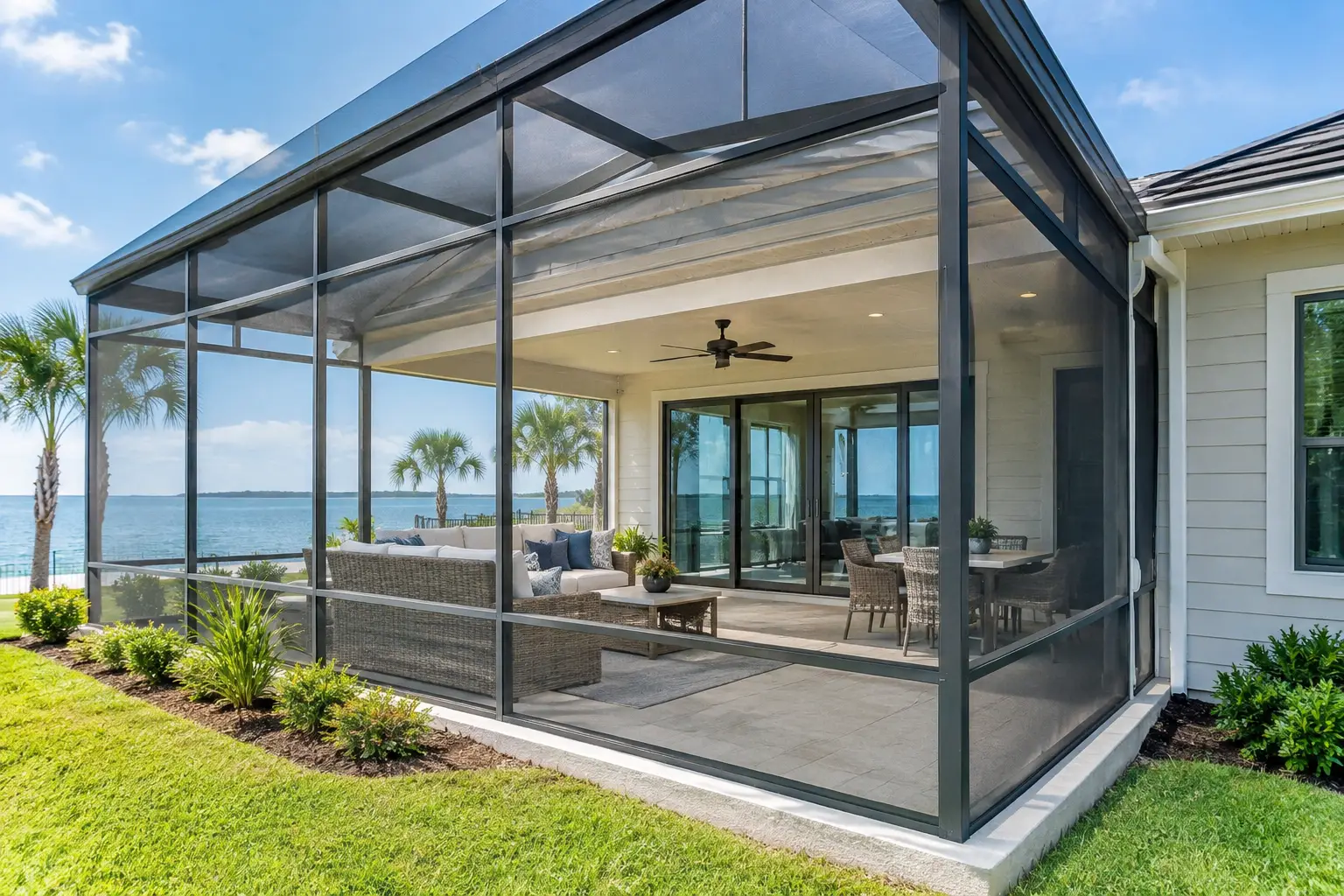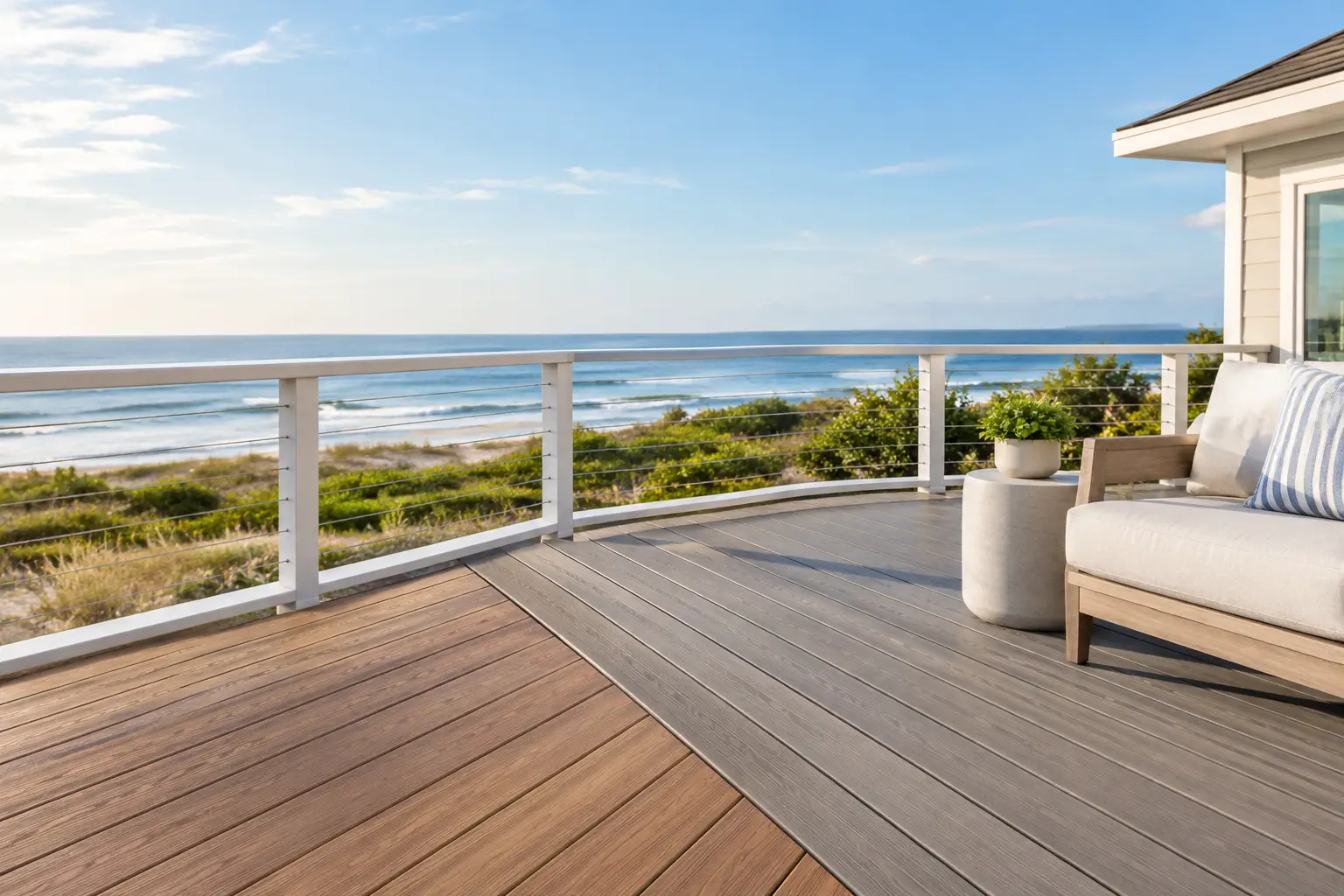
Compare patio enclosure options for Mobile and Baldwin County homes, from screened rooms to sunrooms, with guidance on daily comfort, cost, and upkeep.
Historic Porch Restoration Case Study Explained
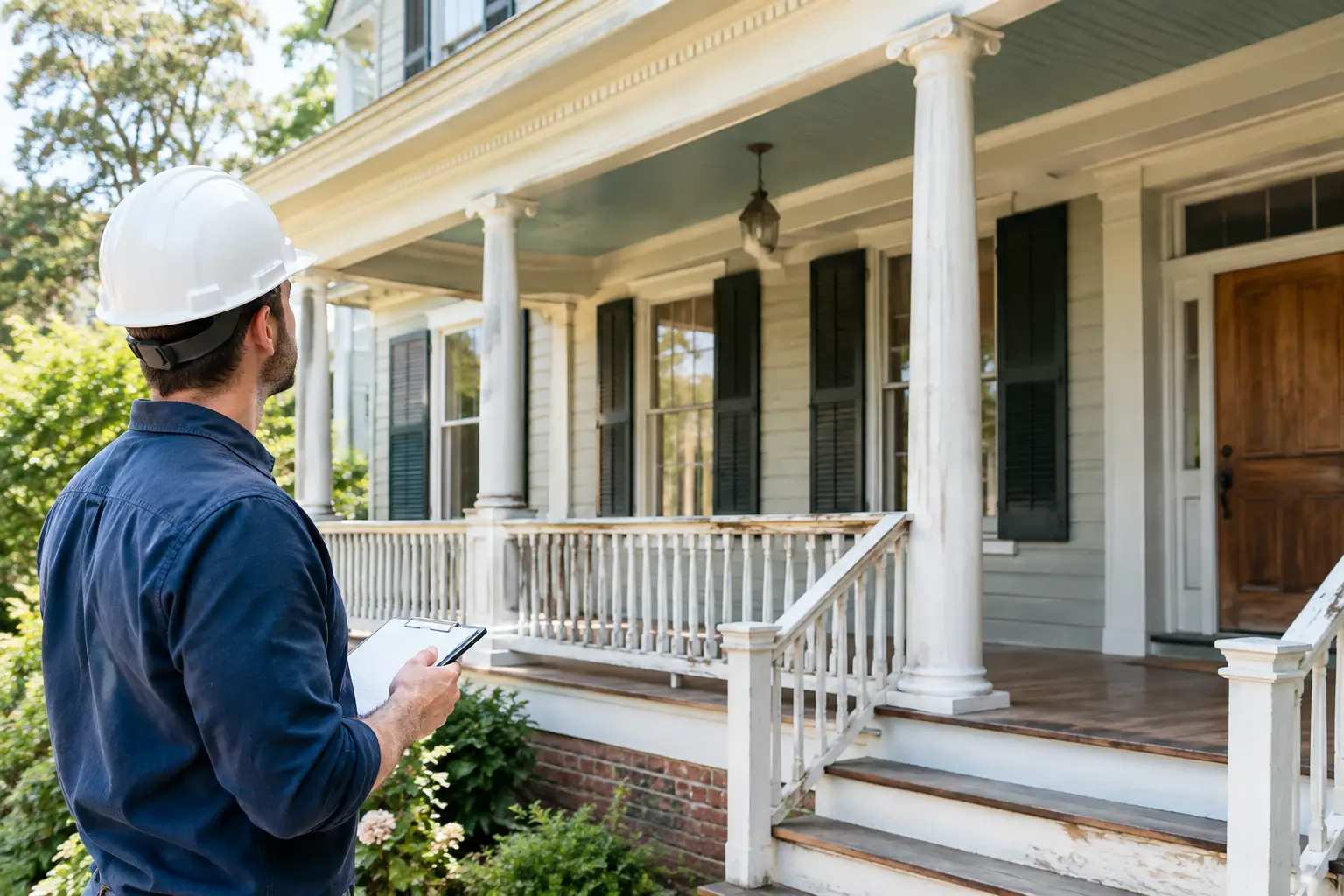
A porch can tell the truth about an older home long before anyone steps inside. Soft floorboards, peeling paint, loose railings, and sagging steps may look like surface problems, but they often point to years of moisture exposure and deferred maintenance. This historic porch restoration case study follows a representative Gulf Coast project and shows how a careful process can preserve original character without overlooking safety, durability, or budget.
For homeowners in Mobile and Baldwin Counties, porch restoration requires more than replacing a few boards. Heat, heavy rain, humidity, wind-driven storms, and termites all take a toll on exterior wood. The right solution begins with understanding what is worth saving, what must be replaced, and how each repair will work with the home as a whole.
The Problem: A Porch That Had Reached Its Limit
The home in this representative case was a wood-frame historic property with a covered front porch, tapered columns, decorative trim, wood flooring, and a traditional painted finish. From the street, the porch still carried much of its original charm. Up close, the condition was different.
Several floorboards had become soft near the front edge of the porch. The bottom portions of two columns showed rot, and the handrail moved when pressure was applied. Paint failure was widespread, especially around joints and horizontal surfaces where water had been sitting. The steps had settled enough to create an uneven rise, making the entry uncomfortable and potentially unsafe.
The homeowner’s concern was understandable: they did not want a historic porch turned into a generic new one. At the same time, patching visible damage without addressing the structure below would only delay a larger repair.
Historic Porch Restoration Case Study: Starting With Investigation
Before selecting materials or discussing finishes, the first job was to investigate. A dependable restoration plan should not be based on what can be seen from the sidewalk. Sections of damaged flooring were removed carefully so the framing, ledger connections, joists, and support posts could be evaluated.
In this case, some joists were still sound and could remain. Others had decayed at their ends where water had been trapped against trim and fascia. The porch floor had also been installed with limited drainage, allowing moisture to remain between boards after rain. That detail mattered because replacing only the flooring would have recreated the same condition.
The project team also documented the existing porch details before removal. Measurements, profiles, spacing, and photographs provided a record for rebuilding the decorative elements accurately. Original millwork can be difficult to match, especially when a home has custom trim that is no longer readily available. Saving a sound section of trim as a pattern can make the difference between a repair that looks appropriate and one that feels out of place.
This investigation phase often changes the scope of a restoration. It can be frustrating to discover hidden deterioration, but it is better to make informed decisions early than to find structural damage halfway through construction. Honest communication at this point protects both the homeowner and the project budget.
The Restoration Plan: Preserve What Earned Its Place
The goal was not to replace every old piece of wood. It was to retain original materials where they remained structurally sound and visually important, then use carefully selected replacement materials where deterioration had gone too far.
Sound porch framing was kept in place after cleaning, minor repairs, and protective treatment where appropriate. Damaged framing members were replaced with properly sized lumber and installed to improve drainage and ventilation. New porch flooring was selected to fit the scale and appearance of the home while providing a dependable surface for daily use.
The columns required particular care. Their upper sections were stable, but the bases had absorbed moisture over time. Rather than discarding the entire columns, the damaged portions were removed and rebuilt to match the original proportions. This approach retained historic character while correcting the failure at its source.
The handrail and balusters presented a different decision. Historic accuracy matters, but guardrail height and spacing can involve current safety expectations. The best answer depends on the age of the home, the extent of the work, local requirements, and how the porch will be used. A skilled contractor can help homeowners understand the available options instead of forcing a one-size-fits-all solution.
Why Moisture Control Was the Real Repair
Paint is not a moisture-management system. A fresh coat can make a porch look better for a while, but it cannot protect wood that is constantly exposed to standing water, poor drainage, or unsealed end grain.
The restoration addressed the conditions that had caused the rot. Flooring was installed with appropriate spacing for drainage. Flashing and transitions were reviewed where the porch met the home. The rebuilt areas were detailed to shed water rather than hold it, and vulnerable cuts and joints received careful preparation before painting.
On the Gulf Coast, these details are not extras. They are part of the craftsmanship. A porch that looks historically appropriate but traps water will need attention again far sooner than it should.
The team also considered airflow beneath the porch. Enclosed or poorly ventilated areas can stay damp, particularly after periods of heavy rain. Depending on the structure, improving access and airflow may help reduce moisture problems below the floor system. The correct approach depends on the home’s foundation type and existing conditions.
Matching the Finish Without Making It Look New
Historic restoration has a visual challenge as well as a structural one. New materials can look too sharp beside weathered original elements. The answer is not to make the work look artificially old. It is to match profiles, proportions, and finish details closely enough that the porch still belongs to the house.
After repairs were complete, surfaces were properly prepared for exterior painting. Loose paint was removed, bare wood was primed, joints were sealed where needed, and the final paint system was selected for exterior exposure. Careful prep is what gives paint its staying power, especially on porch rails, columns, and floor trim that receive regular sun and rain.
Color selection can also affect the finished result. Many historic homes look best with a restrained palette that highlights architectural details rather than competing with them. Still, a homeowner does not have to be locked into a single period-perfect color scheme. The right choice balances the home’s style, the neighborhood, maintenance needs, and the owner’s personal taste.
The Result: A Safer Porch With Its Character Intact
Once complete, the porch had stable flooring, secure steps, solid railings, repaired columns, and a finish built to handle the weather. More importantly, it still looked like the porch that belonged on that home. The decorative details, scale, and welcoming front entry were preserved rather than replaced with something generic.
That result came from making decisions in the right order: investigate the structure, correct the moisture issues, preserve sound original materials, rebuild damaged elements accurately, and finish the work with care. Skipping any of those steps can lead to a porch that photographs well at completion but develops the same problems again.
For older homes in Mobile, Fairhope, Daphne, Spanish Fort, Foley, and surrounding communities, every restoration has its own conditions. Some porches need focused repairs. Others require substantial structural rebuilding. Integrity Remodeling & Construction approaches that decision with quality craftsmanship, honest communication, and respect for the home you have worked hard to maintain.
If your porch is showing signs of rot, movement, paint failure, or water damage, do not assume the only choices are a cosmetic patch or complete replacement. A thorough evaluation can give you a clear path forward and help protect one of your home’s most visible, hardworking features.
Related Posts