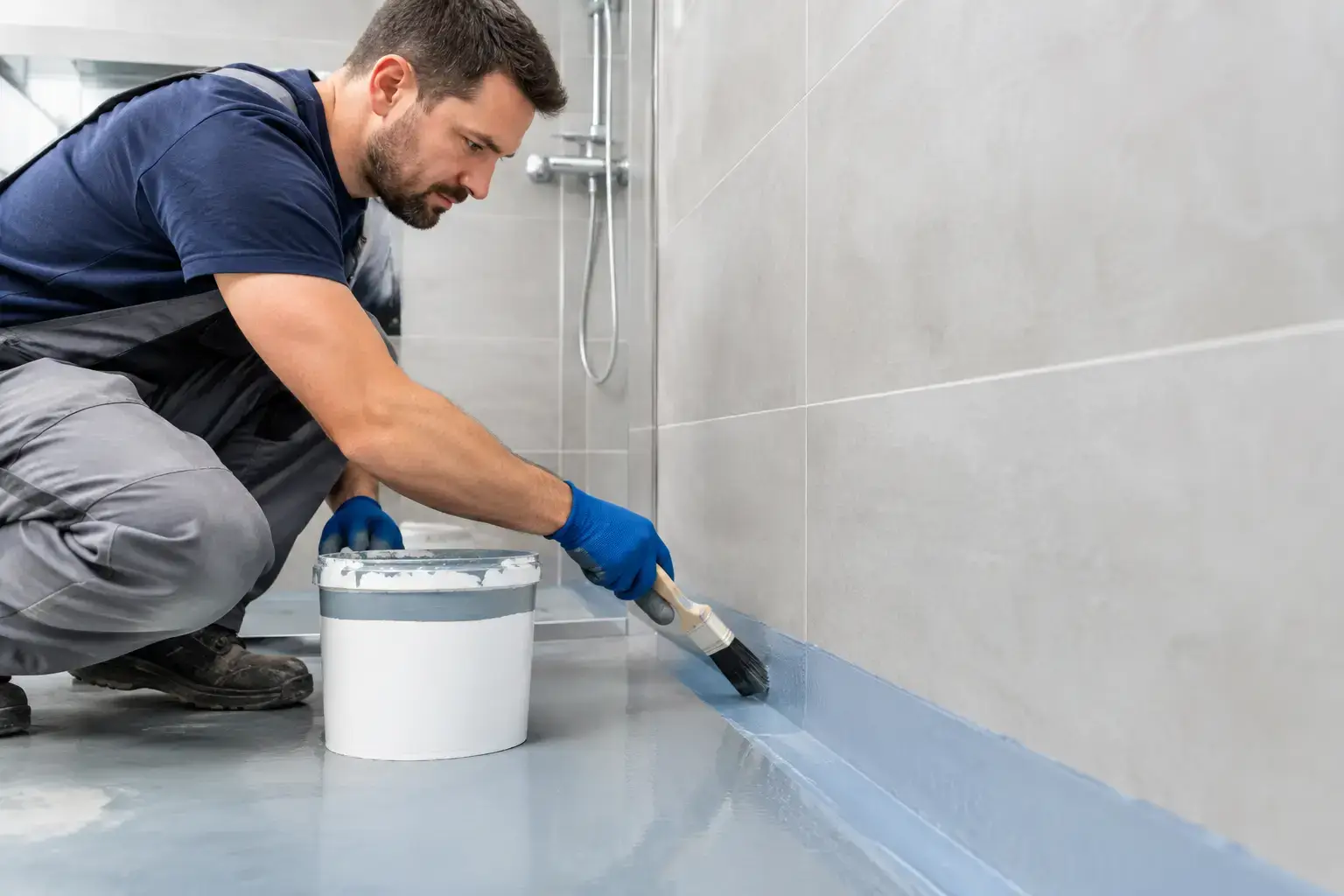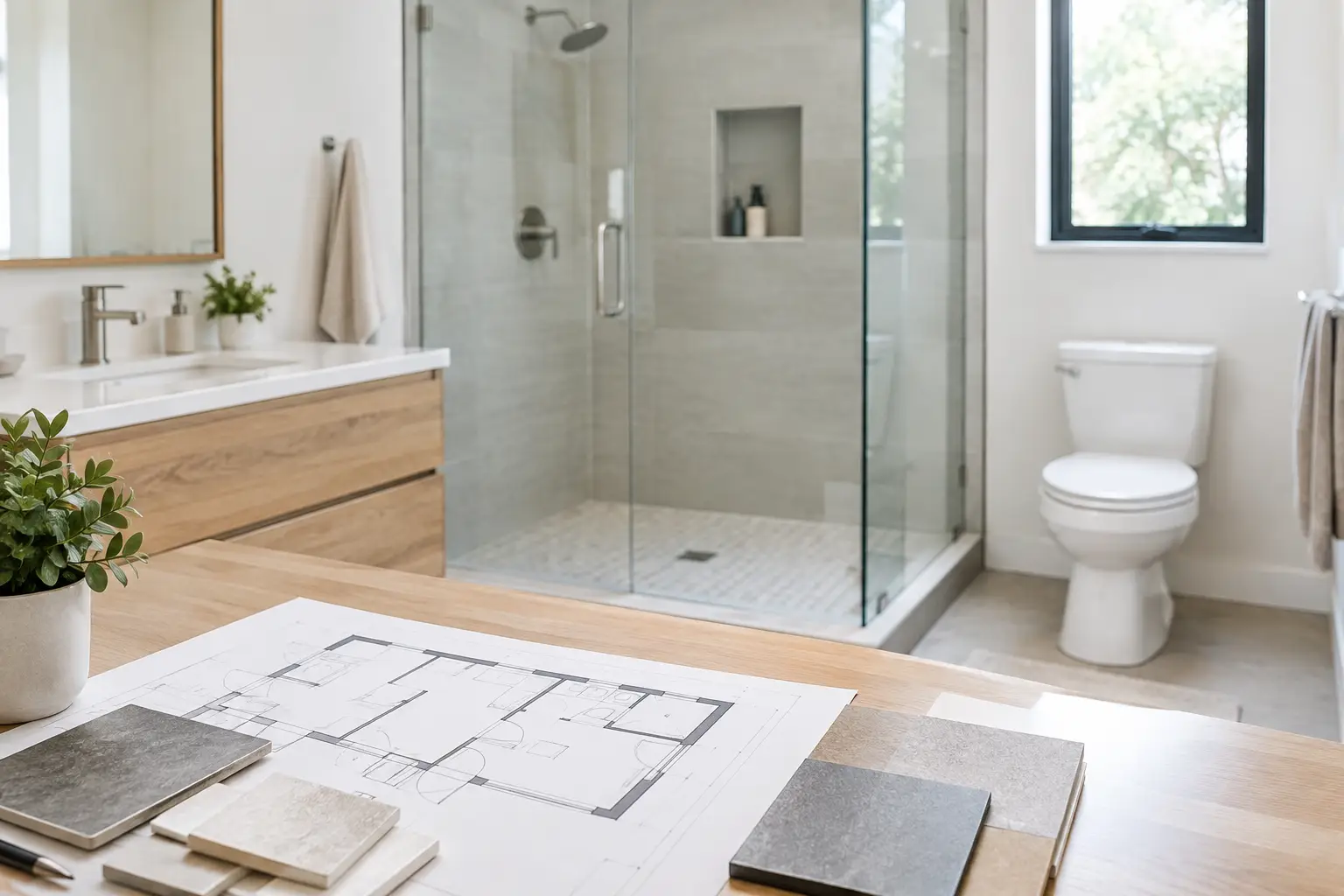
This guide to bathroom waterproofing helps Mobile and Baldwin County homeowners prevent leaks, protect finishes, and plan a bathroom remodel with confidence.
Bathroom Remodel Ideas That Work for Your Home
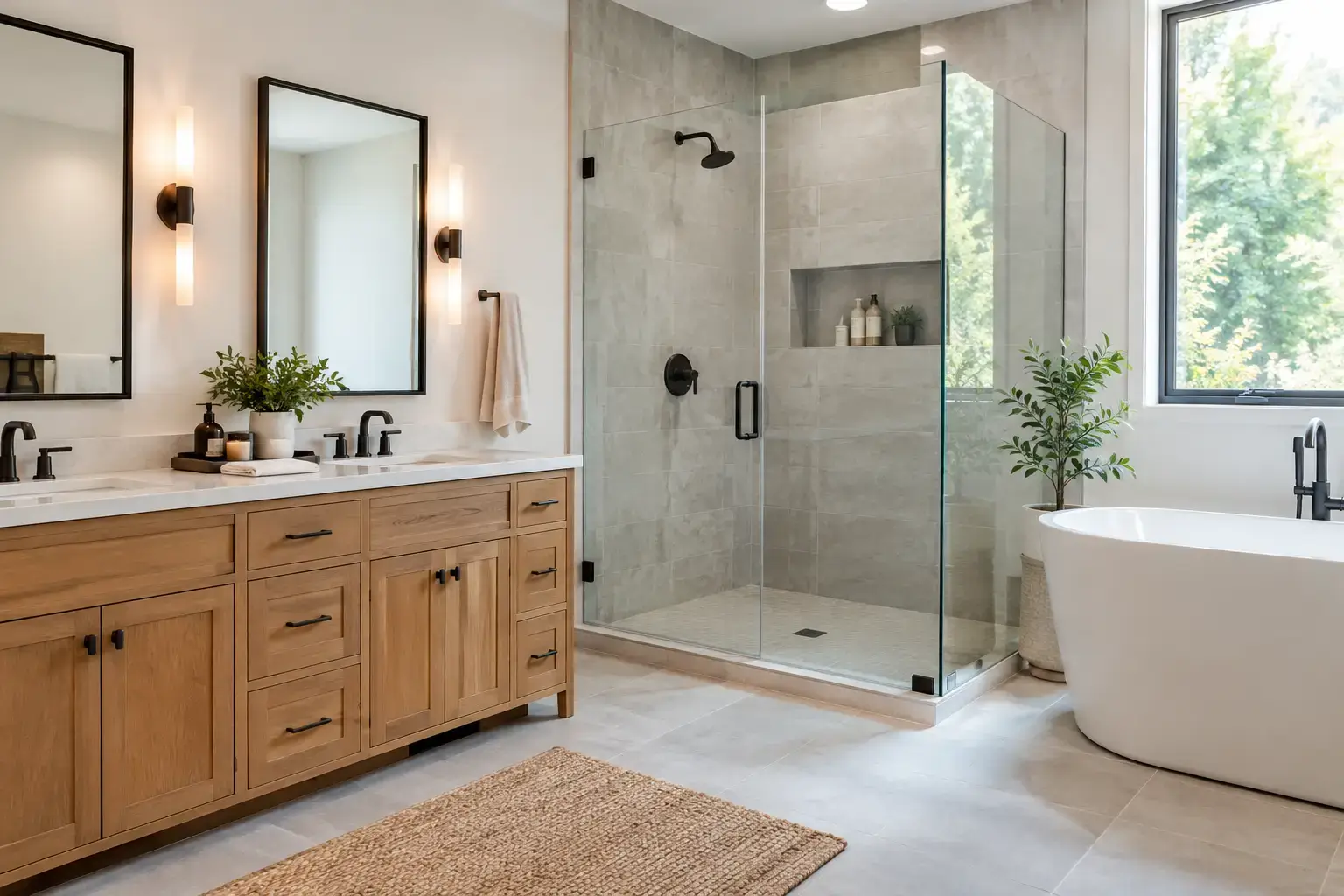
A bathroom remodel can solve a problem you feel every morning: a cramped layout, poor lighting, worn finishes, limited storage, or a tub that no longer works for your household. For homeowners in Mobile and Baldwin Counties, it is also an opportunity to make a high-use room more comfortable, safer, and better suited to the way you live now.
The best results do not come from chasing every trend. They come from clear priorities, durable materials, and a plan that respects the home, the budget, and the people using the space. Whether you are updating a guest bath in Daphne, improving an older home in Mobile, or planning an accessible primary bathroom in Fairhope, thoughtful decisions early in the process can prevent expensive changes later.
Start Your Bathroom Remodel With Everyday Needs
Before choosing tile or fixtures, consider what is not working in the current bathroom. A growing family may need better storage and a double vanity. A homeowner planning to age in place may need a curbless shower, wider doorway, grab-bar backing, and brighter task lighting. In a historic home, the priority may be preserving the room’s character while replacing outdated plumbing and damaged finishes.
Think about who uses the room and when. A hall bathroom shared by children has different demands than a primary bathroom used by two adults getting ready at the same time. This simple conversation helps determine whether your budget should go toward layout changes, more storage, improved ventilation, or finish upgrades.
It also helps to separate must-haves from nice-to-haves. If a leaking shower, aging plumbing, or weak subfloor is part of the project, those repairs deserve attention before decorative upgrades. Quality craftsmanship starts behind the walls, where proper waterproofing, sound framing, and reliable plumbing protect the work you will see every day.
Set a Budget That Accounts for the Unknown
Bathroom renovation budgets vary because the scope varies. Replacing a vanity, toilet, lighting, and flooring is very different from moving plumbing, expanding a shower, or reworking a layout. Older homes can bring additional questions once demolition begins, including water damage, outdated wiring, or framing that needs repair.
A practical budget includes the visible selections and the work required to install them correctly. Tile, cabinetry, countertops, fixtures, paint, lighting, plumbing, electrical work, ventilation, and labor all affect the total investment. It is also wise to reserve a contingency for conditions that cannot be fully confirmed until the existing finishes are removed.
Honest communication matters here. A dependable contractor should explain what is included in the scope, what could change based on site conditions, and how changes will be handled if they become necessary. The goal is not to promise that every renovation will be free of surprises. The goal is to manage surprises clearly and responsibly when they arise.
Choose Materials Built for a Gulf Coast Bathroom
Bathrooms see constant moisture, and Gulf Coast humidity adds another reason to choose materials carefully. Attractive finishes are important, but they need to perform well in a space exposed to steam, splashing water, and daily cleaning.
Porcelain tile remains a strong choice for shower walls and floors because it is durable and available in many styles. Natural stone can create a beautiful look, but it may require more ongoing sealing and maintenance. For homeowners who want a lower-maintenance option, porcelain often offers a good balance of appearance and practicality.
For vanities, look beyond the door style. Solid construction, moisture-resistant materials, useful drawer storage, and a countertop that fits your maintenance preferences all matter. Quartz is a popular countertop option because it is durable and easy to care for, while other materials may offer a different look at the cost of more upkeep.
Floor tile should also be selected with safety in mind. A large-format tile can make a small room feel more open, but a smaller mosaic or textured finish may provide better traction in a shower. There is no single right choice. The right choice depends on the room’s layout, the users’ needs, and how much maintenance you are comfortable with.
Do Not Treat Ventilation as an Afterthought
A properly sized exhaust fan helps remove moisture that can damage paint, encourage mildew, and shorten the life of finishes. It is one of the least glamorous parts of a bathroom remodel, but it protects the investment. In some homes, improving the fan location or venting path may be just as valuable as upgrading the fixture itself.
Make the Layout Work Harder
Not every bathroom needs a full layout change. Keeping plumbing in the same location can help control costs, especially in smaller bathrooms. A well-designed vanity, better lighting, a larger mirror, and a more functional shower can dramatically improve the room without moving every supply line and drain.
Still, some layout changes are worth the investment. Removing a rarely used tub can create room for a more comfortable shower. Replacing a bulky corner unit with a glass-enclosed shower may improve sightlines and make the room feel larger. Recessed niches, linen storage, and drawers can reduce countertop clutter without adding square footage.
For accessibility, planning ahead is especially valuable. Features such as a walk-in shower, handheld showerhead, comfort-height toilet, lever-style handles, and wide clearances can support safer daily routines. These details do not have to make a bathroom feel clinical. When integrated into the design from the start, they can look clean, comfortable, and intentional.
Lighting and Storage Change How the Room Feels
Many older bathrooms have one ceiling fixture and a vanity with limited storage. That combination makes daily routines harder than they need to be. Good lighting should support grooming, cleaning, and nighttime use without creating harsh shadows.
Layered lighting works well in most bathrooms. Overhead lighting provides general illumination, while sconces or well-placed vanity lights help light the face more evenly. A dimmer can make early mornings and late evenings more comfortable. In rooms with limited natural light, lighter finishes and a properly sized mirror can help the space feel more open.
Storage deserves the same attention. Deep drawers often work better than large empty cabinets because toiletries are easier to find. A recessed medicine cabinet, linen cabinet, shower niche, or vanity with built-in organizers can keep everyday items within reach while reducing visual clutter.
What to Expect During Construction
A well-managed bathroom remodel requires coordination. Materials need to be selected and ordered, permits may be required depending on the scope, and the work must happen in the right sequence. Demolition comes before plumbing and electrical changes. Waterproofing must be completed before tile. Cabinets, countertops, fixtures, trim, and final details follow.
If the bathroom is your only full bath, discuss that concern before work begins. A contractor may be able to phase certain tasks or help you understand the expected downtime so your household can prepare. Clear expectations about access, work hours, dust control, communication, and decisions during construction make the process easier for everyone.
At Integrity Remodeling & Construction, the focus is on helping homeowners feel informed from the first conversation through the final walkthrough. A bathroom is a personal part of the home, and the work should be handled with care, dependable project management, and respect for your daily routine.
A Bathroom Remodel Should Feel Worth It Every Day
The most successful bathroom is not necessarily the one with the most expensive materials. It is the one that solves real frustrations, holds up to daily use, and feels right for your home. Start with the way you live, ask direct questions about scope and materials, and choose a remodeling team that communicates clearly before the first wall is opened.
When the planning is thoughtful and the work is done with care, the reward is more than a refreshed room. It is a space that makes each day a little easier from the moment it is finished.
Related Posts