Is a sunroom worth it? See the costs, comfort factors, and value a well-planned sunroom can bring to homes in Mobile and Baldwin Counties, Alabama today.
Window Replacement Project Guide for Alabama Homes
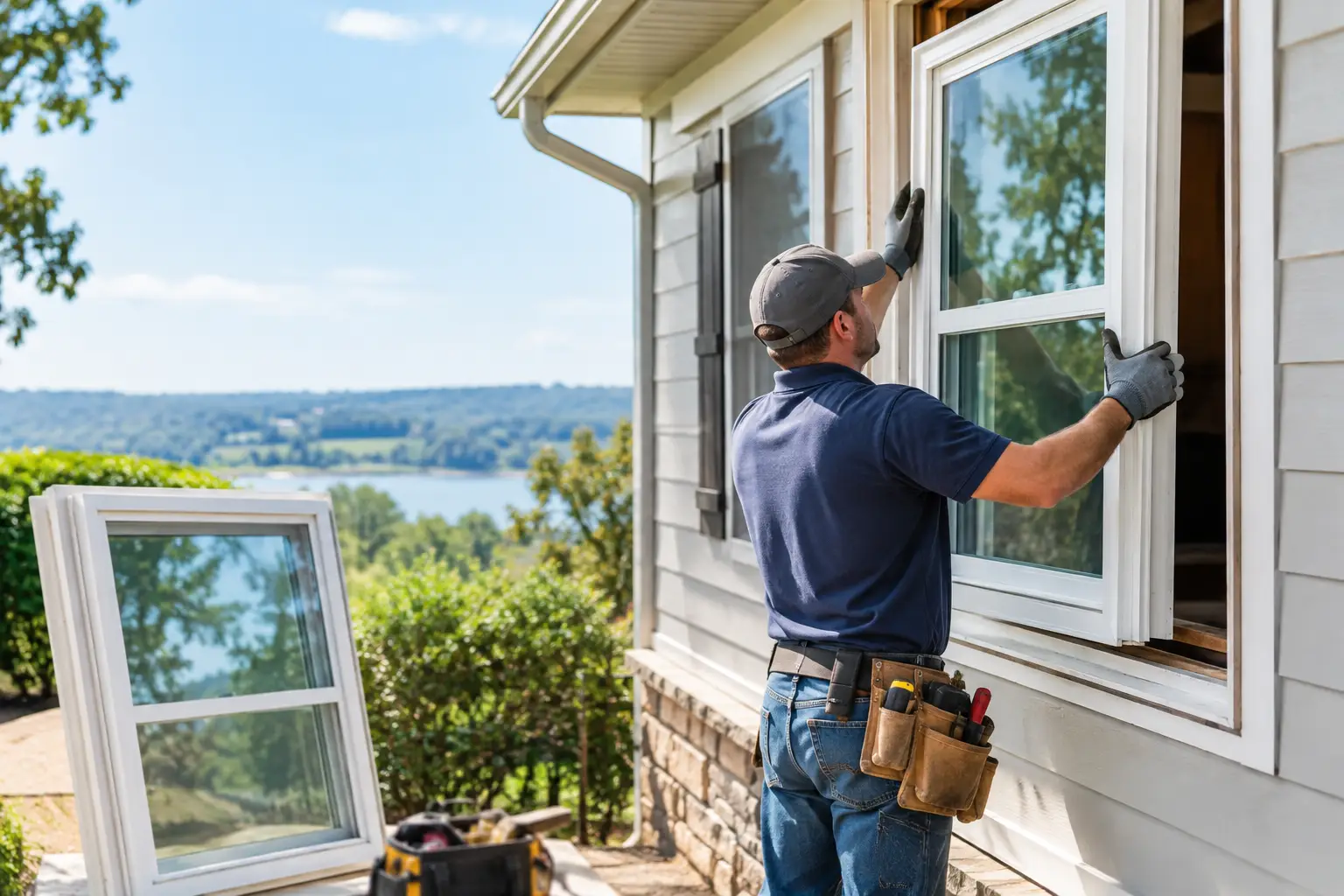
A fogged pane, soft trim, or window that rattles when a summer storm rolls through is more than an annoyance. It can point to water intrusion, rising energy costs, and damage that spreads beyond the window opening. This window replacement project guide helps Mobile and Baldwin County homeowners plan the work carefully, ask the right questions, and make decisions they can feel good about for years.
Window replacement is not a one-size-fits-all purchase. The right approach depends on your home’s age, the condition of the surrounding exterior, your goals for comfort and appearance, and the demands of coastal Alabama weather. A clear plan before work begins protects your investment and keeps surprises to a minimum.
Start With the Reason You Are Replacing Windows
Most homeowners begin with a visible problem: condensation between panes, peeling paint, difficult operation, cracked glass, or noticeable drafts. Those signs matter, but they do not always call for the same solution.
A single window with broken hardware may be repairable. Several windows with failed seals, deteriorated frames, or repeated water problems may make replacement the more practical long-term choice. If your home has older wood windows, particularly on a historic property, replacement should be considered with extra care. Original windows can be an important architectural feature, and the best answer may involve restoration, selective replacement, or windows chosen to preserve the home’s character.
Think beyond the immediate repair. Are you trying to lower cooling costs? Reduce outside noise? Improve security? Prepare the home for sale? Update faded or mismatched exterior finishes? Your priorities should guide the window selection and the scope of work.
Inspect the Whole Opening, Not Just the Glass
A new window performs only as well as the opening around it. Before agreeing to a proposal, the contractor should evaluate the frame, sill, exterior trim, siding or brick interface, and signs of moisture damage.
Water stains on interior drywall, bubbling paint, soft wood, insect damage, or loose exterior trim can indicate that the problem extends beyond the window itself. Replacing the unit without addressing those conditions can hide the issue temporarily while allowing more damage to develop behind the wall.
This is particularly relevant along the Gulf Coast. Heavy rain, humidity, wind-driven water, and strong sun place steady stress on exterior materials. Proper flashing, sealing, drainage, and trim work are not minor details. They are part of a sound installation.
Full-frame replacement versus insert replacement
An insert replacement fits a new window unit within an existing frame. It can be a reasonable option when the existing frame is square, dry, and structurally sound. It may also reduce disruption to interior trim.
A full-frame replacement removes the old window and frame so the contractor can inspect the rough opening and rebuild the installation as needed. This route is often the better choice when there is rot, water damage, a need to change window size, or a desire to improve the exterior details. It typically involves more labor and cost, but it gives the project team access to conditions an insert cannot address.
Neither approach is automatically better. The condition of your home should determine the recommendation, and your contractor should explain why a particular method makes sense.
Choose Windows for Coastal Alabama Conditions
Style and color matter, but performance should lead the decision. Your windows will be exposed to long cooling seasons, high humidity, hard rain, and occasional severe weather. Look for options that suit those realities instead of selecting solely from a showroom sample.
Energy-efficient glass can help manage solar heat gain, especially on large west- and south-facing exposures. Low-emissivity coatings, insulated glass, and carefully chosen tinting can improve comfort without making rooms feel dark. The best glass package depends on which direction the windows face and how much shade the home receives.
Frame material also involves trade-offs. Vinyl is often low-maintenance and budget-friendly. Fiberglass can offer strength and stability with a clean appearance. Wood has a traditional look that may suit older homes, though it requires ongoing maintenance. Composite and clad options can provide other balances of durability, appearance, and cost.
Do not assume that the most expensive model is automatically the right one. A dependable window installed correctly is usually a better investment than a premium product installed with poor flashing, inadequate sealing, or rushed finish work.
Consider safety, operation, and daily use
The way a window opens affects ventilation, cleaning, and emergency escape. Double-hung windows offer a familiar look and can work well in many rooms. Casement windows can provide wide ventilation and a tight seal when closed. Picture windows bring in light but do not open. Sliding windows may suit certain spaces but have their own maintenance considerations.
Bedrooms require special attention to emergency egress requirements. Bathrooms may benefit from privacy glass and moisture-resistant materials. Over a kitchen sink, an easy-to-operate window can make daily use much more comfortable. These choices are practical, not just decorative.
Build a Realistic Budget and Proposal
A reliable estimate should make it clear what is included. The number of windows is only one part of the cost. Window type, glass package, frame material, accessibility, trim repairs, exterior finish work, disposal, and potential rot repair can all affect the final price.
Ask for a written scope that identifies the windows being replaced, the installation method, exterior and interior trim expectations, repair allowances or procedures, cleanup, and warranty information. If hidden damage is found after removal, ask how the contractor will document it, price the repair, and obtain your approval before proceeding.
The lowest estimate can become the most expensive choice if it leaves out necessary weatherproofing or finish work. On the other hand, a higher proposal should clearly show what additional value it provides. Honest communication means you should understand both the work being promised and the conditions that could change the scope.
Plan the Window Replacement Project Guide Step by Step
Once you choose a contractor and product, a little preparation helps the work move efficiently. Confirm measurements and product selections before the order is placed. This is the time to verify operation style, grille pattern, hardware finish, glass options, and exterior color. Custom windows can have lead times, so do not schedule related painting or siding work until delivery expectations are clear.
Before installation day, remove curtains, blinds, fragile items, and furniture near the windows. Clear exterior access where possible, including patio furniture, potted plants, and decorations. If you have pets, plan for the noise and frequent door use that come with an active jobsite.
During the project, expect some dust and temporary openings as old units are removed. A professional crew should protect work areas, keep the site orderly, and communicate about any unexpected conditions. Replacing a window is a construction task, not just a delivery appointment. Careful fitting, flashing, insulating, sealing, and trim work take time.
At the end of each phase, inspect the work with the project team. Windows should operate smoothly, lock securely, and sit evenly in the opening. Exterior trim should look finished and properly sealed. Inside, the surrounding surfaces should be clean, complete, and ready for normal use. Do not hesitate to ask questions before final payment. A dependable contractor welcomes a thorough walkthrough.
Protect the Investment After Installation
New windows need simple, regular care. Keep tracks and weep holes clear of debris, clean glass with products appropriate for the manufacturer’s recommendations, and inspect exterior caulk periodically. Caulk is not permanent, especially under Alabama sun and rain. Catching small gaps early helps prevent larger repairs later.
Watch for changes after the first major rainstorm or season of temperature shifts. A window that becomes difficult to operate, shows interior moisture, or develops a visible gap deserves prompt attention. Keep your product paperwork, warranty details, and final project records in one place.
For homeowners who want clear answers from the first inspection through the final walkthrough, Integrity Remodeling & Construction brings 30 years of construction experience and careful attention to the details around the window, not just the window itself. The goal is straightforward: quality craftsmanship, honest communication, and work that makes your home more comfortable and better protected.
A well-planned window project should leave you with more than a better view. It should give you confidence the openings in your home are ready for the heat, rain, and everyday life that come next.
Related Posts