Is a sunroom worth it? See the costs, comfort factors, and value a well-planned sunroom can bring to homes in Mobile and Baldwin Counties, Alabama today.
Can Old Houses Be Insulated? Yes, With Care
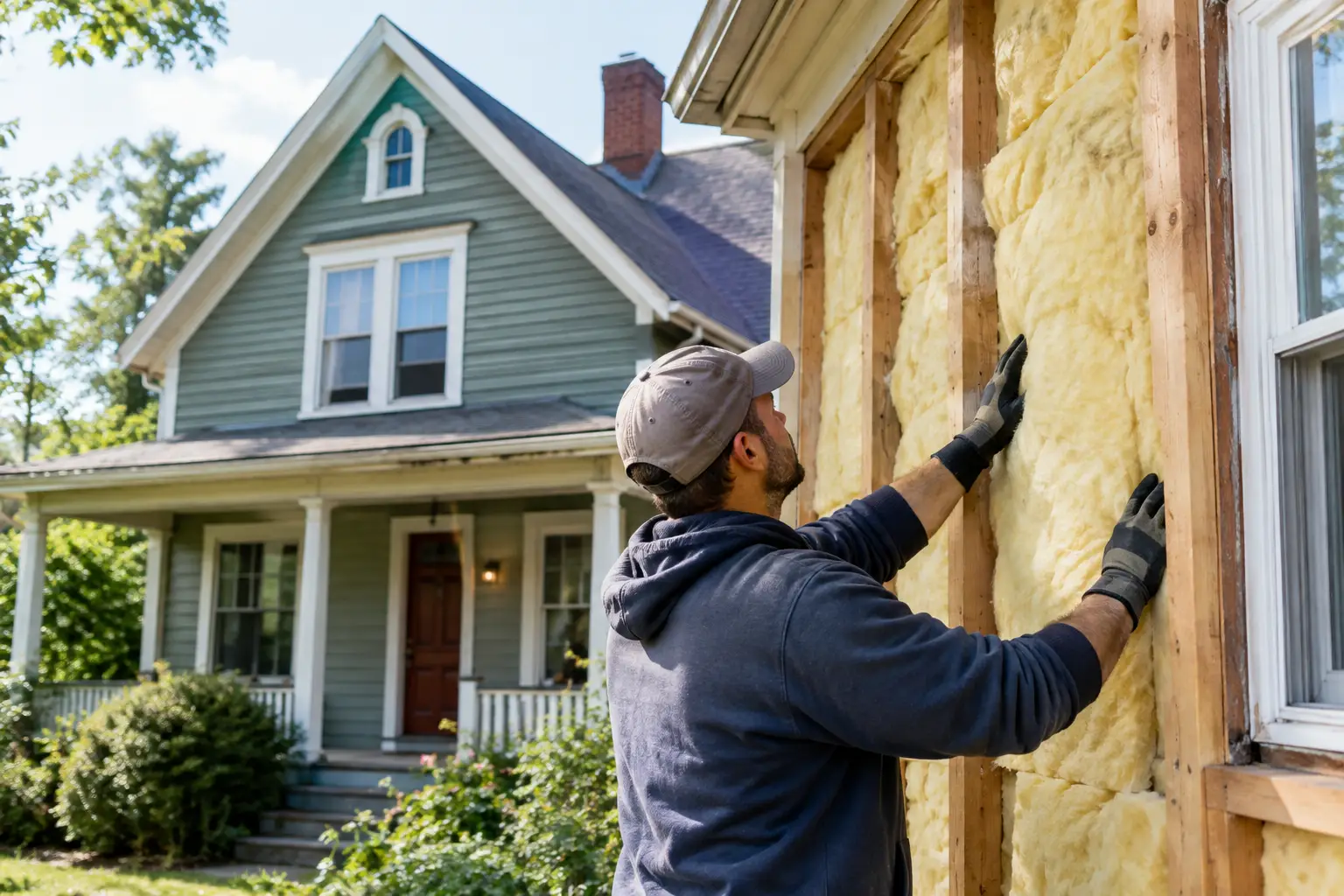
A drafty room over a crawl space, an upstairs bedroom that never cools down, and utility bills that climb every summer can make homeowners ask: can old houses be insulated? In most cases, yes. The key is not simply adding the most insulation possible. Older homes need a thoughtful plan that improves comfort while managing moisture, preserving original details, and respecting how the house was built.
For homeowners across Mobile and Baldwin Counties, that planning matters even more. Our heat, humidity, heavy rain, and storm season can expose problems that may stay hidden in a drier climate. A careful insulation project can make an older home more comfortable year-round without sacrificing the character that made you love it.
Can Old Houses Be Insulated Without Creating Problems?
Yes, but an older home should be evaluated as a complete system. Many houses built decades ago were designed to breathe through natural air movement. They may have little wall insulation, vented crawl spaces, older windows, and gaps around trim, plumbing, and electrical work. Those conditions are not efficient, but changing one part of the system without considering the rest can trap moisture where it does not belong.
For example, insulating a wall from the inside may reduce heat transfer, but it can also change how that wall dries after wind-driven rain. Sealing a crawl space can help control humidity, yet it must be paired with proper ground moisture control, drainage, and an appropriate conditioning strategy. The right answer depends on the home’s age, construction, condition, and existing materials.
That is why an insulation project should begin with an inspection rather than a one-size-fits-all recommendation. A contractor should look for roof leaks, siding concerns, damaged flashing, termite activity, crawl space moisture, old wiring, and signs of mold or wood rot. Insulation works best after water problems and air leaks have been addressed.
Start Where Old Homes Lose the Most Comfort
In many older Alabama homes, the attic is the best first place to improve insulation. Heat builds up above the ceiling in summer, while conditioned air escapes upward in winter. Air sealing around attic penetrations – such as light fixtures, plumbing stacks, duct openings, and wiring – before adding insulation can make a noticeable difference.
Attic work also tends to be less disruptive than opening finished walls. Depending on the framing, existing insulation, and ventilation design, options may include blown-in insulation, batts, or carefully selected spray foam applications. The material matters, but proper installation and ventilation matter just as much. Blocking soffit vents or overlooking a roof leak can create expensive trouble later.
Floors over vented crawl spaces are another common source of discomfort. If your floors feel cold in winter or damp in summer, the crawl space may be part of the problem. Insulating beneath the floor can help in certain homes, but it should be coordinated with a plan for moisture control. Standing water, exposed soil, poor drainage, or damaged ductwork should not be covered up and forgotten.
Wall Insulation Takes More Planning
Walls are often the most complicated part of insulating an old house. Opening interior plaster, removing exterior siding, or drilling holes to install dense-pack insulation can all be appropriate in the right situation. Each approach has trade-offs.
When a home is being remodeled, wall insulation may be practical because finishes are already being removed. During a kitchen renovation, bathroom remodel, addition, or major exterior siding project, there may be an opportunity to add insulation and air sealing with less disruption than a stand-alone project. This is also the time to inspect framing, update outdated wiring where needed, and correct hidden damage.
For historic homes, preserving original plaster walls, wood siding, and architectural trim may be a higher priority. In those cases, an experienced renovation team may recommend improving the attic, floors, windows, doors, and targeted air leaks before altering intact wall assemblies. A home does not need to be perfectly sealed to become substantially more comfortable.
Do Not Confuse Insulation With Air Sealing
Insulation slows the movement of heat. Air sealing limits uncontrolled airflow. Older homes often need both, but they serve different purposes.
A house with new attic insulation can still feel uncomfortable if humid outdoor air enters through gaps around recessed lights, attic hatches, exterior wall penetrations, and poorly sealed ductwork. Likewise, aggressively sealing a home without evaluating ventilation can contribute to indoor humidity and air-quality concerns.
The goal is controlled airflow, not a house that feels sealed shut. In coastal Alabama, managing indoor humidity is part of protecting the home as well as improving comfort. Proper bathroom exhaust, kitchen ventilation, duct performance, and HVAC sizing all affect how an insulation upgrade performs.
Choose Materials for the Assembly, Not the Sales Pitch
There is no single “best” insulation for every old house. Fiberglass, mineral wool, cellulose, rigid foam, and spray foam each have uses, limits, and installation requirements. A good choice depends on where it is going and what the surrounding building materials need to do.
Cellulose can work well in attic applications and certain wall cavities. Mineral wool offers fire resistance and performs well when properly installed. Fiberglass remains a practical option for many framed spaces. Rigid foam and spray foam can provide insulation and air control in specific assemblies, but they should be chosen carefully, particularly where moisture behavior and access for future repairs are concerns.
Homeowners should be cautious about any proposal that recommends one product for every attic, wall, crawl space, and addition without examining the home. The material is only one piece of the job. Correct preparation, moisture management, and workmanship determine whether the project delivers lasting value.
Windows and Siding Can Be Part of the Plan
Old windows are frequently blamed for every draft, but they are not always the first or only place to spend money. Original wood windows may be repairable, and weatherstripping or storm windows can improve performance while retaining historic character. On the other hand, windows with severe deterioration, failed operation, water intrusion, or damaged frames may warrant replacement.
Exterior siding work can create a useful opportunity to improve weather protection and address air leaks. Before installing new siding, a contractor can inspect the wall sheathing, flashing, trim, and areas around doors and windows. If wall insulation or a weather-resistive barrier is part of the scope, the details need to work together so water is directed out and the wall can perform as intended.
What a Sensible Insulation Plan Looks Like
A dependable plan usually begins with the simplest, highest-value improvements. Address active leaks and drainage issues first. Then look at attic air sealing and insulation, ductwork, crawl space conditions, and obvious exterior gaps. Wall insulation, window replacement, and larger exterior upgrades can follow as part of a broader remodeling project when the budget and scope make sense.
This phased approach is often easier on the home and the homeowner. It avoids tearing into sound finishes simply to chase a theoretical efficiency number. It also lets you prioritize the rooms you use most, whether that is a hot second-floor bedroom, a chilly living room, or a sunroom that is difficult to enjoy for much of the year.
At Integrity Remodeling & Construction, careful planning is central to work on older and historic homes. Homeowners deserve clear communication about what a project can improve, what conditions need attention first, and where spending will make the most practical difference.
When to Call a Professional
A professional assessment is especially worthwhile if you notice musty odors, recurring condensation, peeling paint, uneven room temperatures, high humidity, sagging floors, or visible signs of water damage. These symptoms may point to an insulation need, but they can also indicate a roof, drainage, HVAC, foundation, or exterior-envelope issue.
The right contractor will not promise that insulation alone will solve every comfort concern. They will explain the condition of the home, identify the likely causes, and help you make decisions that fit your goals. In an older house, thoughtful improvements protect more than energy costs. They help protect the craftsmanship, materials, and daily comfort that make the house worth keeping.
Related Posts