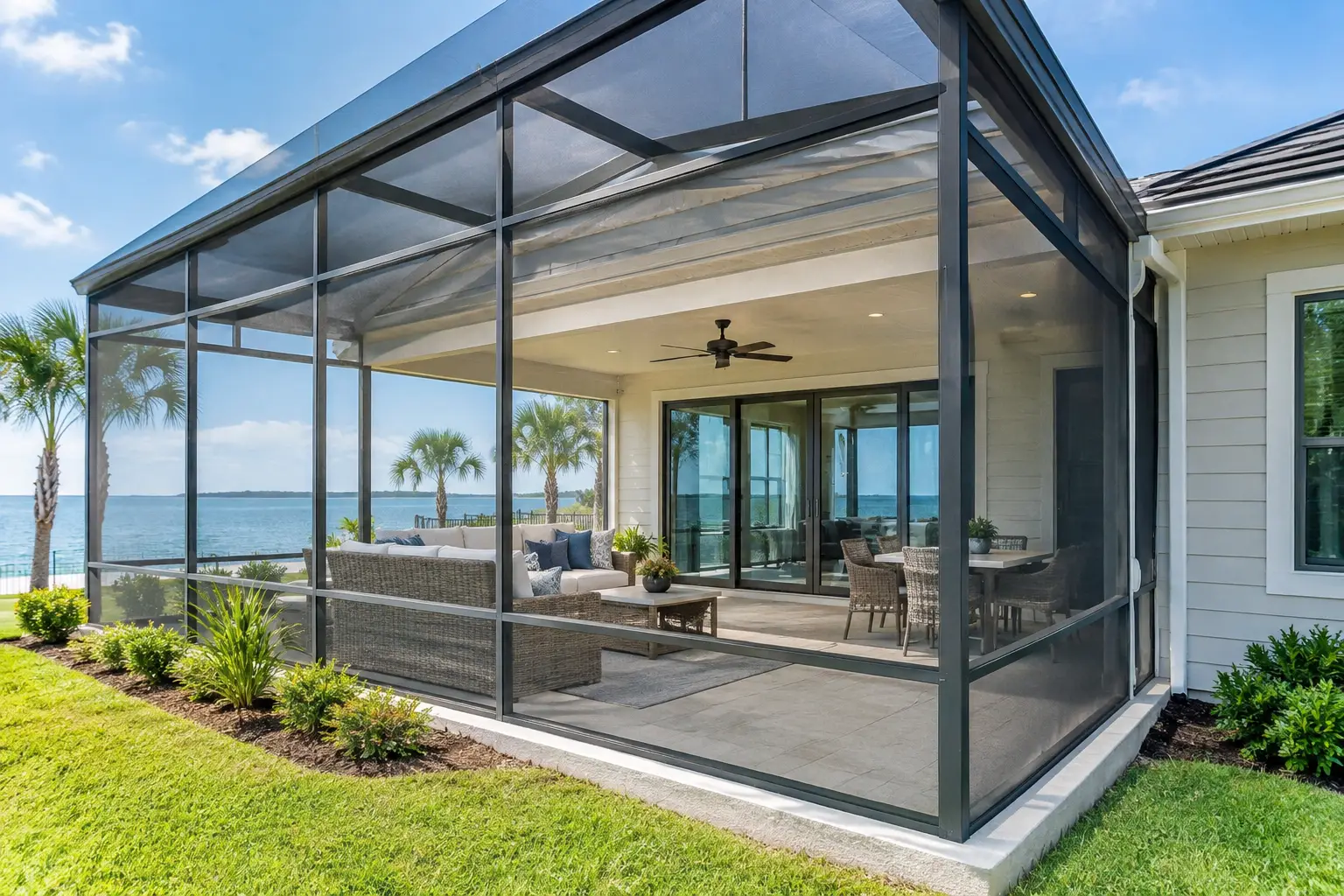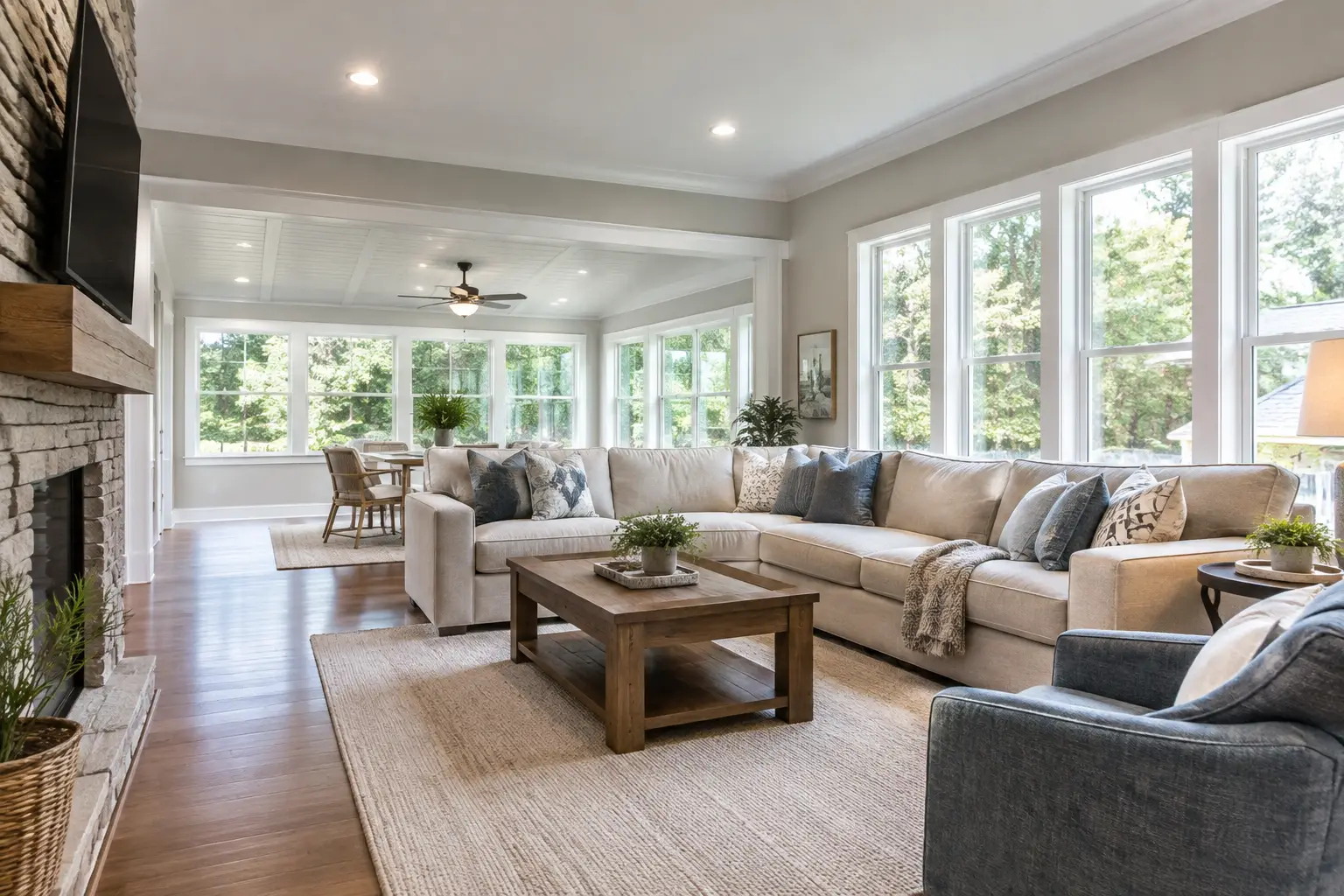
Compare patio enclosure options for Mobile and Baldwin County homes, from screened rooms to sunrooms, with guidance on daily comfort, cost, and upkeep.
Kitchen Cabinets That Work Hard and Look Right
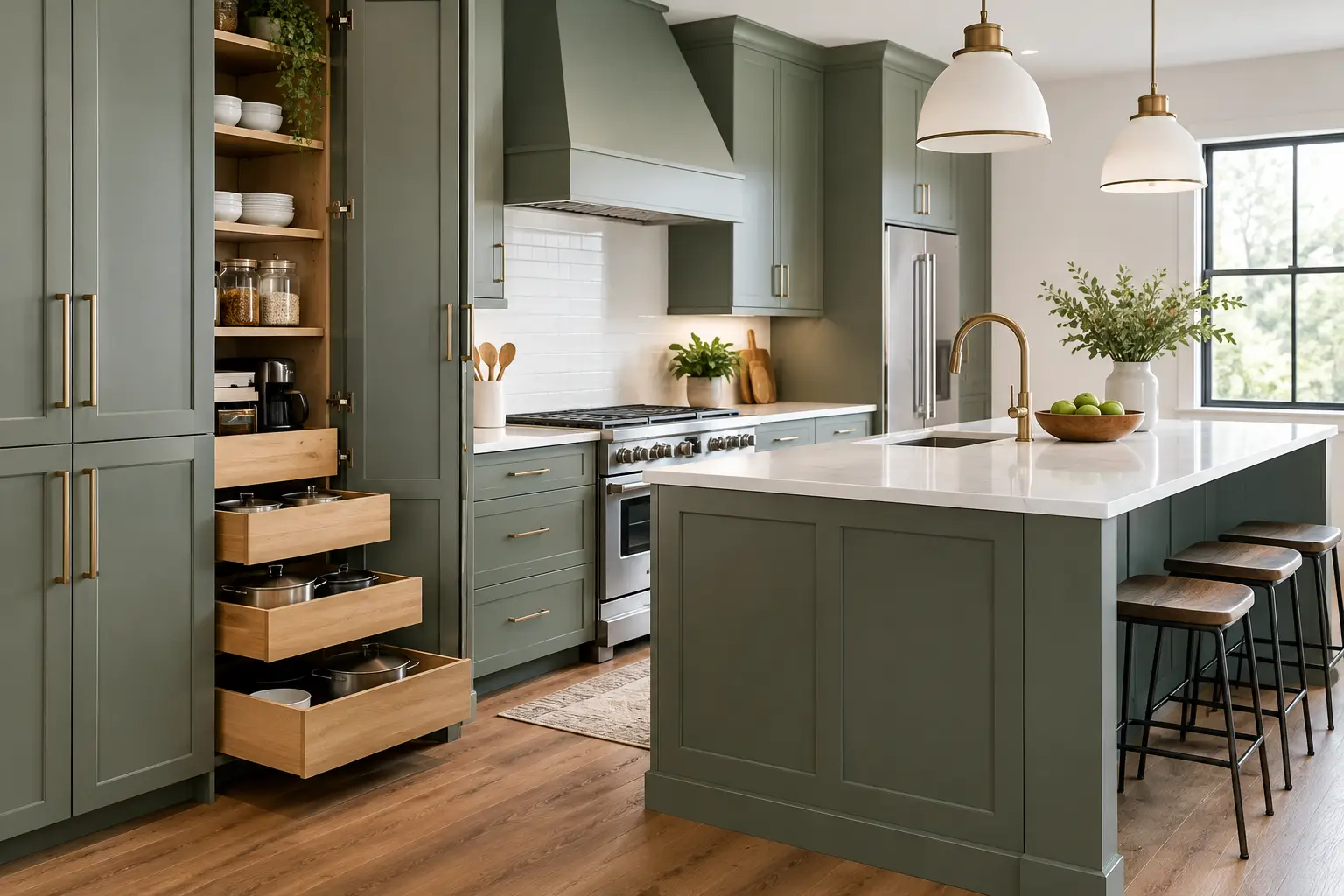
A kitchen can have new paint, attractive countertops, and updated lighting, but kitchen cabinets do most of the daily work. They hold the dishes, hide the small appliances, organize the pantry items, and shape how easily your family moves through the room. When cabinets are worn out, poorly arranged, or simply too limited for the way you live, the entire kitchen feels harder to use.
For homeowners in Mobile and Baldwin Counties, choosing cabinets is also about making a sound investment in a home. The right choice should look good today while standing up to busy mornings, holiday cooking, grandkids at the counter, and the humidity that comes with life on the Gulf Coast. That takes more than selecting a door color from a sample board. It takes a plan built around your home and your routine.
Start With How You Use the Kitchen
Before choosing a cabinet style, take an honest look at what is not working now. Maybe there is no practical place for pots and pans. Maybe the pantry is too shallow, the corner cabinets are wasted space, or several people are trying to prepare meals in a tight work area. Those frustrations point to the improvements that will matter long after the newness of a remodel wears off.
A family that cooks most nights may benefit from wide drawer bases near the range, a pullout for cooking oils, and dedicated storage for cookware. Retirees planning to stay in their homes may prefer drawers over deep lower cabinets, since drawers bring items forward without requiring as much bending. A homeowner who entertains often may need a serving area, beverage storage, or cabinetry that keeps guests out of the main cooking zone.
There is no single cabinet layout that works for every household. A large island can be valuable in one kitchen and an obstacle in another. More cabinets are not always better if they make the room feel crowded or restrict walkways. Good design begins with listening to how the space is actually used, then making each cabinet earn its place.
Kitchen Cabinets: Stock, Semi-Custom, or Custom?
Cabinet construction and sizing have a major effect on both the budget and the final result. Most homeowners will consider stock, semi-custom, or custom cabinets. Each option can be a good fit, depending on the room, timeline, and goals for the remodel.
Stock Cabinets
Stock cabinets come in standard widths, heights, finishes, and door styles. They are generally the most budget-conscious choice and can work well in straightforward kitchen layouts. The trade-off is limited flexibility. If walls are out of square, ceilings vary in height, or the room has unusual dimensions, fillers and adjustments may be needed to make standard cabinets fit.
They can still deliver a clean, durable result when selected carefully and installed properly. The key is knowing where standard sizing will serve the room and where it may leave useful space behind.
Semi-Custom Cabinets
Semi-custom cabinets offer more choices in dimensions, finishes, door profiles, and storage features. They are often a practical middle ground for homeowners who want a tailored appearance without the cost of fully custom construction. Small sizing adjustments can make a big difference around windows, corners, appliances, and tall pantry areas.
This option is especially useful when a kitchen has an awkward wall, a ceiling detail, or a layout that would look unfinished with wide filler pieces. It can also provide better access to specialty storage, such as pullout trash bins, spice organizers, tray dividers, and drawer inserts.
Custom Cabinets
Custom cabinets are built to suit the exact dimensions and needs of the space. They offer the greatest freedom in materials, details, finishes, and storage design. In an older home, custom work may be the best way to account for uneven walls, distinctive trim, or architectural features worth preserving.
Custom does not automatically mean every detail needs to be elaborate. Sometimes the real value is simply getting a clean fit, practical storage, and a design that respects the character of the home. Because this option involves more planning and craftsmanship, it also requires a larger investment and a longer lead time.
Look Beyond the Cabinet Door
The door style gets most of the attention, but the box, hardware, and finish are what affect everyday performance. Cabinet boxes made from quality plywood or furniture-grade materials generally hold up better than thin particleboard in high-use areas. Well-built drawers should operate smoothly, carry their intended load, and use durable joinery rather than relying only on staples or lightweight fasteners.
Soft-close hinges and drawer slides are popular for good reason. They reduce slamming, protect the cabinet over time, and make the kitchen quieter. Still, hardware should be chosen for more than a feature list. A good slide needs to feel solid under the weight of plates, cookware, and pantry supplies. A beautiful door does not make up for a drawer that wobbles or sticks.
Finish matters, too. Painted cabinets offer a classic, flexible look and work well with many home styles. Stained wood can bring warmth and show the natural grain of the material. Thermofoil and laminate options can be practical in the right application, though homeowners should consider how they will perform near heat, moisture, and heavy use.
White cabinets remain popular because they brighten a room and work with many countertop choices. They also show spills, scuffs, and fingerprints more easily. Darker colors can add depth but may make a small kitchen feel heavier if lighting is limited. Two-tone cabinetry can create interest, with a darker island or lower cabinets balanced by lighter uppers. The best choice is usually the one that fits the home, receives enough light, and feels comfortable to maintain.
Storage Is Where a Remodel Pays Off
A well-planned kitchen does not just provide more storage. It provides storage that is easier to reach and easier to keep organized. Deep drawers for pots, pans, and small appliances often make better use of lower cabinets than a single shelf behind a door. Pullout shelves help prevent items from getting lost in the back. A tall pantry cabinet can add significant function when a walk-in pantry is not available.
Corner cabinets deserve special attention because they can become dead space quickly. Depending on the layout and budget, a corner can use a pullout system, angled cabinetry, open shelving, or a simpler design that avoids expensive mechanisms altogether. The right answer depends on how much storage is needed and how often the area will be used.
Consider the items that create clutter now. If countertop appliances are always out, an appliance garage or designated cabinet may help. If recycling and trash bins take up floor space, a pullout cabinet can keep them contained. If baking sheets, cutting boards, and serving platters are difficult to store, vertical dividers close to the work area make a noticeable difference.
Installation Determines the Final Result
Even high-quality cabinets can look disappointing when installation is rushed. Walls and floors in real homes are rarely perfectly level or square, particularly in older properties. Proper installation involves careful measuring, shimming, fastening, aligning doors and drawers, and finishing trim so the cabinetry looks intentional from every angle.
Cabinets also need to be coordinated with the rest of the remodel. Flooring height can affect dishwasher clearance. Countertop thickness influences the finished working height. Electrical locations matter for under-cabinet lighting and appliances. Backsplash, crown molding, ventilation, plumbing, and paint should all be considered before cabinets are ordered and installed.
This coordination is one reason a kitchen remodel benefits from dependable project management. Homeowners should not have to chase down answers about measurements, delivery dates, or which work happens next. Clear communication during planning helps prevent costly changes once construction is underway.
Plan for Value, Not Just a Quick Update
Kitchen cabinets are a significant portion of a remodeling budget, so it is reasonable to ask where the money is going. The answer should be clear: better materials, stronger construction, thoughtful storage, skilled installation, and details that make the kitchen function well for years.
It may be worth spending more on the cabinet boxes, drawers, and hardware that receive daily use while choosing a simpler door style or avoiding costly features that will not serve your household. On the other hand, cutting corners on installation or selecting cabinets solely by appearance can lead to regret when doors shift, finishes wear poorly, or the layout remains inconvenient.
A thoughtful cabinet plan should feel personal, not overdesigned. It should make room for the way your family cooks, gathers, stores, and lives. With honest guidance, quality craftsmanship, and careful attention to the details, a kitchen can become one of the most dependable rooms in the house.
Related Posts