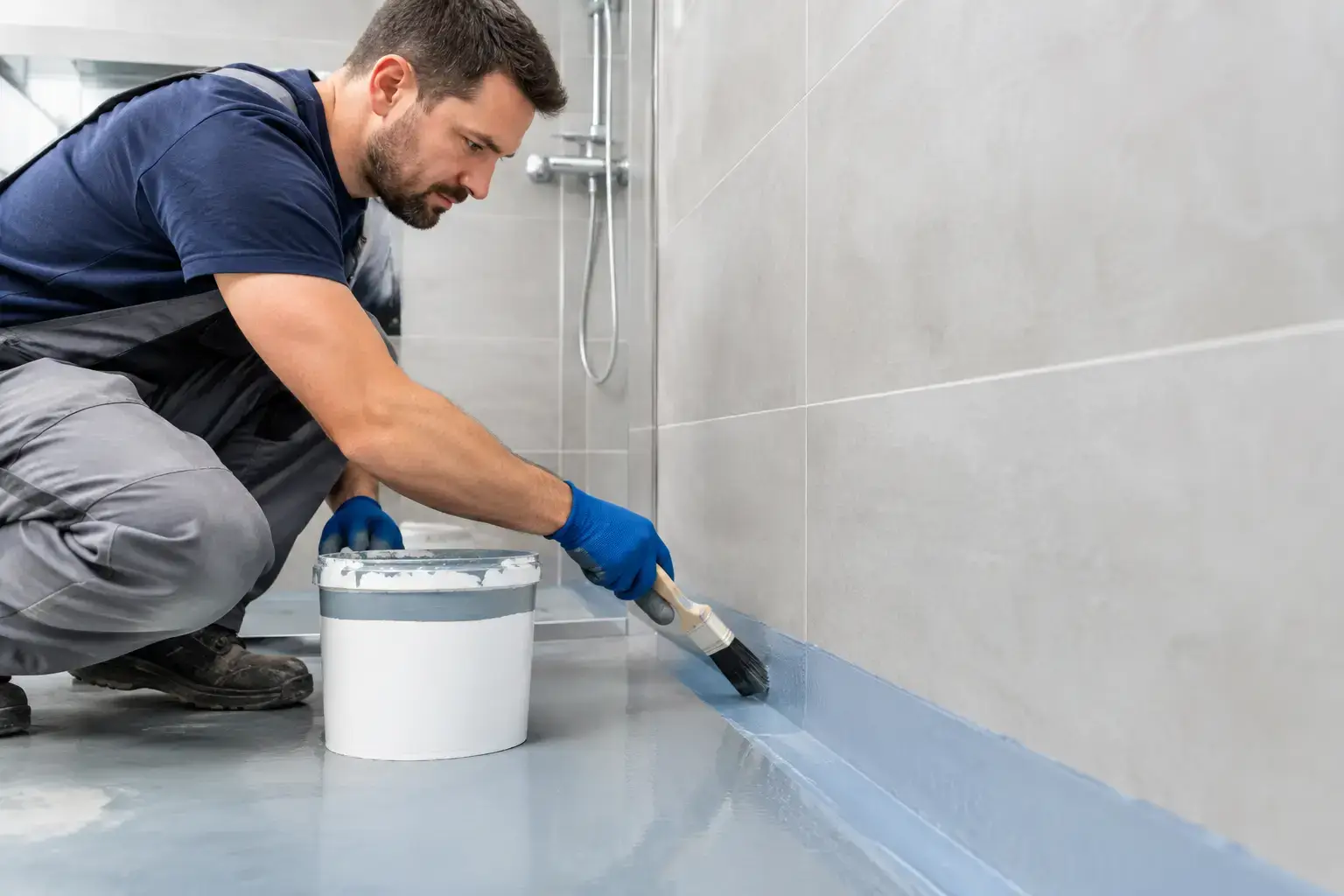
This guide to bathroom waterproofing helps Mobile and Baldwin County homeowners prevent leaks, protect finishes, and plan a bathroom remodel with confidence.
Best Exterior Paint Colors for Gulf Coast Homes
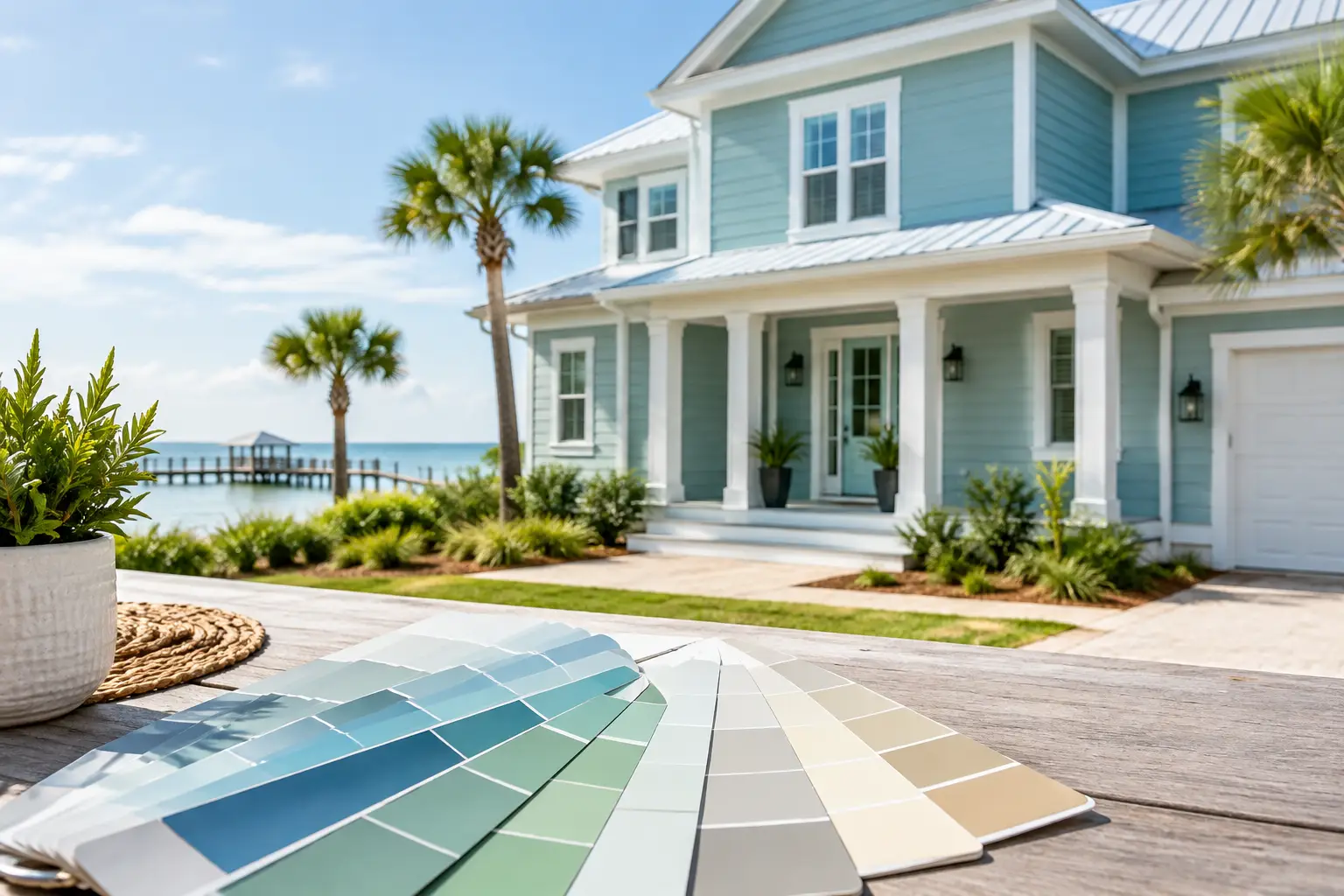
A paint color card can look simple under store lighting, then look completely different at 2 p.m. on a bright Mobile or Baldwin County afternoon. That is why choosing the best exterior paint colors is about more than finding a shade you like. Your home’s roof, brick, landscaping, architectural style, and the strong Gulf Coast sun all have a say in the finished result.
A good exterior color plan should make your home feel cared for and suited to its surroundings. It should also hold up visually through changing weather, from humid summer days to overcast winter mornings. The right choice can refresh an older home, add character to a new one, and make a practical repair or siding update look like a complete improvement.
Best Exterior Paint Colors Start With What Stays
Before choosing the paint, look closely at the parts of your exterior that are not changing. A roof is often the biggest factor. Its shingles may read as warm brown, charcoal gray, black, red, or a blend of several tones. Brick, stone, porch flooring, gutters, window frames, and hardscaping also create undertones that the new paint needs to respect.
For example, a warm red-brick home often looks more natural with creamy whites, soft taupes, muted sage greens, or warm gray-beiges. A cool charcoal roof can support crisp white, pale gray, blue-gray, or deeper slate siding. The goal is not to match every fixed element exactly. It is to avoid a color combination that makes one part of the house look accidental.
This is especially important for historic homes. Older houses often have trim profiles, shutters, porches, and original materials that deserve a more thoughtful palette. A bold color can be appropriate, but it should work with the home’s era and details rather than cover them up.
Exterior Colors That Work Well on the Gulf Coast
The most successful local palettes tend to balance classic curb appeal with colors that handle abundant sunshine gracefully. Very bright or highly saturated paint can feel harsher outdoors than it did on a small sample. Slightly softened colors usually offer more staying power.
Warm White and Soft Cream
White remains a dependable choice for cottages, traditional homes, farmhouses, and coastal-inspired exteriors. But pure, stark white is not always the best answer under Alabama sun. It can create intense contrast and may show dirt or mildew more readily in shaded areas.
Warm white, ivory, and soft cream are often easier to live with. They pair well with black shutters, bronze fixtures, natural wood doors, and dark gray roofing. For a clean, timeless look, use a warm white body color with a dark front door and trim that is either the same white or one shade brighter.
Greige, Taupe, and Warm Gray
For homeowners who want a neutral exterior without the plain look of basic beige, greige and taupe are excellent options. These colors bring together gray and brown undertones, creating a grounded appearance that complements brick, stone, and wood accents.
Warm gray works particularly well on homes with black, bronze, or dark-brown roofing. The caution is undertone. Some grays lean blue or purple in outdoor light, while others can turn muddy beside warm brick. Sampling a large painted board outside is far more reliable than judging a small chip.
Sage Green and Muted Olive
Soft green has become a popular choice because it feels welcoming without being overly trendy. Sage, eucalyptus, and muted olive work beautifully with natural landscaping, white trim, brick foundations, and wood doors. They are particularly fitting for homes with shaded lots, porches, or traditional Southern character.
Avoid choosing a green that is too yellow or too bright unless the home’s style calls for it. A quieter green generally wears better over time and is less likely to compete with the landscape during spring and summer.
Blue-Gray and Coastal Blue
Blue can give an exterior a calm, polished appearance, especially in coastal communities such as Fairhope, Daphne, and Foley. Blue-gray is one of the safest directions because its gray base keeps it from looking overly playful. It works well with white trim, black shutters, silver metal accents, and weathered wood.
A clearer coastal blue can also be attractive on cottages and homes near the water. Still, it needs careful testing. Sunlight can make blue read much brighter outdoors, and a color that looks refined on a brochure may feel too strong across a full elevation.
Deep Charcoal, Navy, and Black Accents
Darker exteriors can create dramatic curb appeal, but they come with trade-offs in our climate. Deep charcoal, navy, and near-black colors absorb more heat, may fade more noticeably, and can show dust, pollen, and water spotting. On a home with full afternoon sun, a very dark body color requires quality paint, proper preparation, and realistic maintenance expectations.
For many homes, dark colors work best on shutters, doors, gables, porch ceilings, or trim details rather than the entire exterior. A navy front door against warm white siding or charcoal shutters on a pale greige home can provide contrast without overwhelming the structure.
Choose a Color Plan, Not Just One Color
Most homes need three coordinated choices: a main body color, a trim color, and an accent color for the front door, shutters, or architectural details. Some homes also need a separate color for siding, brick, or porch elements.
Keep the contrast intentional. If the body color is light, a darker accent can add definition around the entry and windows. If the body color is medium or dark, lighter trim can highlight the home’s lines. Too many competing colors can make even a well-maintained home feel busy, particularly when there are multiple rooflines or decorative features.
A practical approach is to let the body color do the quiet work, use trim to clean up the edges, and reserve the strongest color for the front door. That door is a manageable place to show personality. Deep red, forest green, navy, black, and stained wood all can work, depending on the home’s fixed materials.
Test Paint Where It Will Actually Live
Paint samples should be viewed on the exterior, not just inside a store or on a phone screen. Paint a sample board large enough to see from the street, then move it around the house. Check it in early morning, midday, late afternoon, and on a cloudy day.
Place samples near the roof, brick, and trim. A paint color that looks perfect on a blank board can shift once it is beside orange-toned brick or a weathered brown roof. If you are comparing similar neutrals, label each sample clearly. Small undertone differences are easy to forget and can make a major difference after the full house is painted.
Also consider the direction your house faces. South- and west-facing walls receive stronger sun and can make colors look lighter or warmer. North-facing walls stay cooler and more shaded, often making colors appear deeper. A balanced color should look good on every side of the home, not only from the front curb.
Preparation Matters as Much as the Color
Even the best exterior paint colors will not perform well over peeling paint, moisture damage, failing caulk, or unprepared siding. Exterior painting is part finish work and part protection. Surfaces need to be cleaned, repaired, scraped, primed where necessary, and caulked correctly before quality paint is applied.
Gulf Coast humidity adds another consideration. Paint should be applied under appropriate weather conditions, with enough dry time for the coating to cure properly. Painting over damp surfaces or rushing preparation may lead to early peeling, blistering, or uneven results.
At Integrity Remodeling & Construction, we believe homeowners deserve clear communication about what their exterior needs before the work begins. Sometimes a repaint is straightforward. Other times, damaged trim, siding concerns, or moisture issues should be addressed first so the finished project lasts.
Let Your Home Set the Direction
The best choice is not always the newest color trend. A classic white may be exactly right for one home, while a soft sage or warm greige better suits another. Consider the architecture, permanent materials, sun exposure, and the level of maintenance you are comfortable taking on.
A carefully chosen exterior color does more than improve first impressions. It gives you the satisfaction of pulling into a home that looks well cared for, feels like it belongs, and reflects the attention you have put into it.
Related Posts