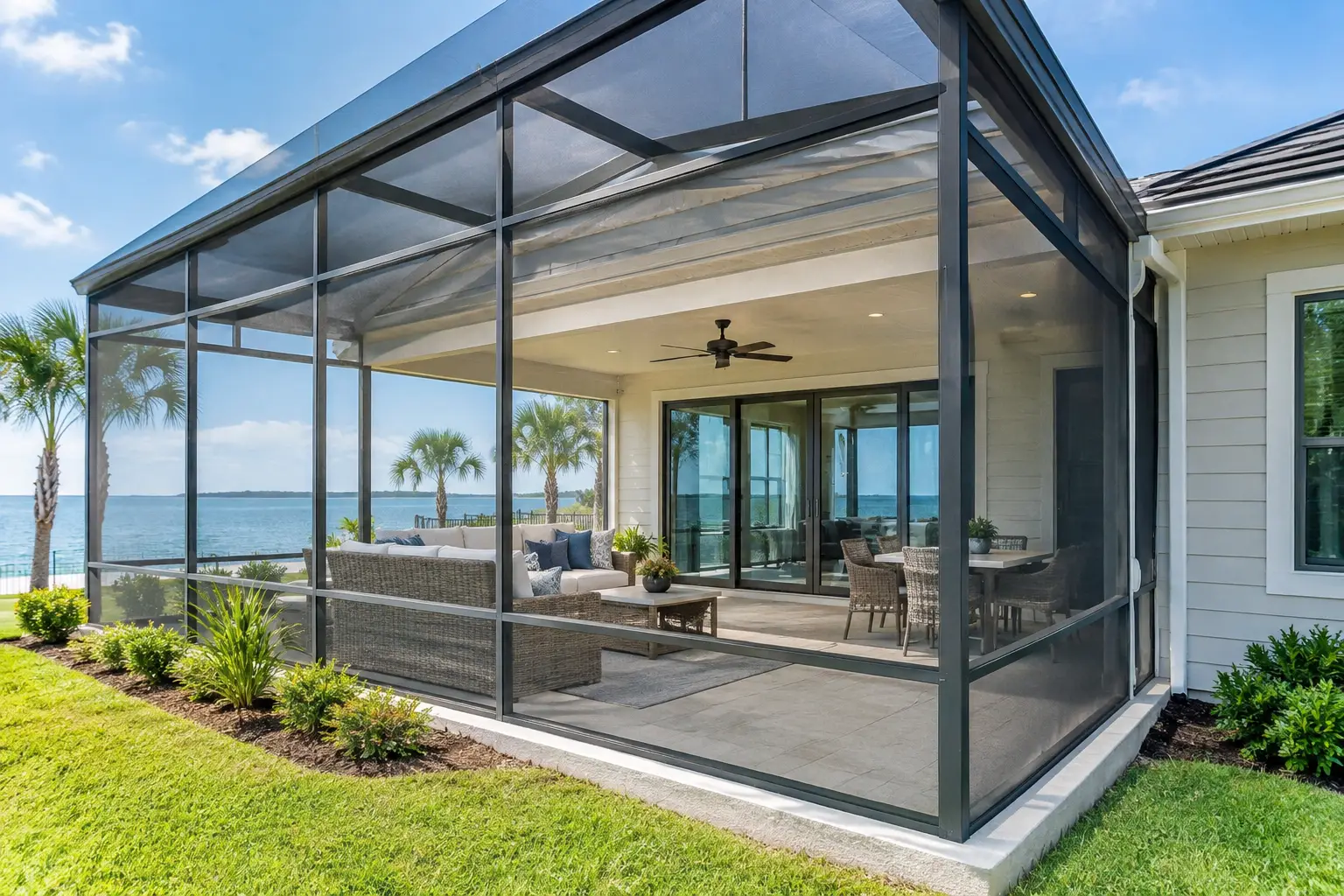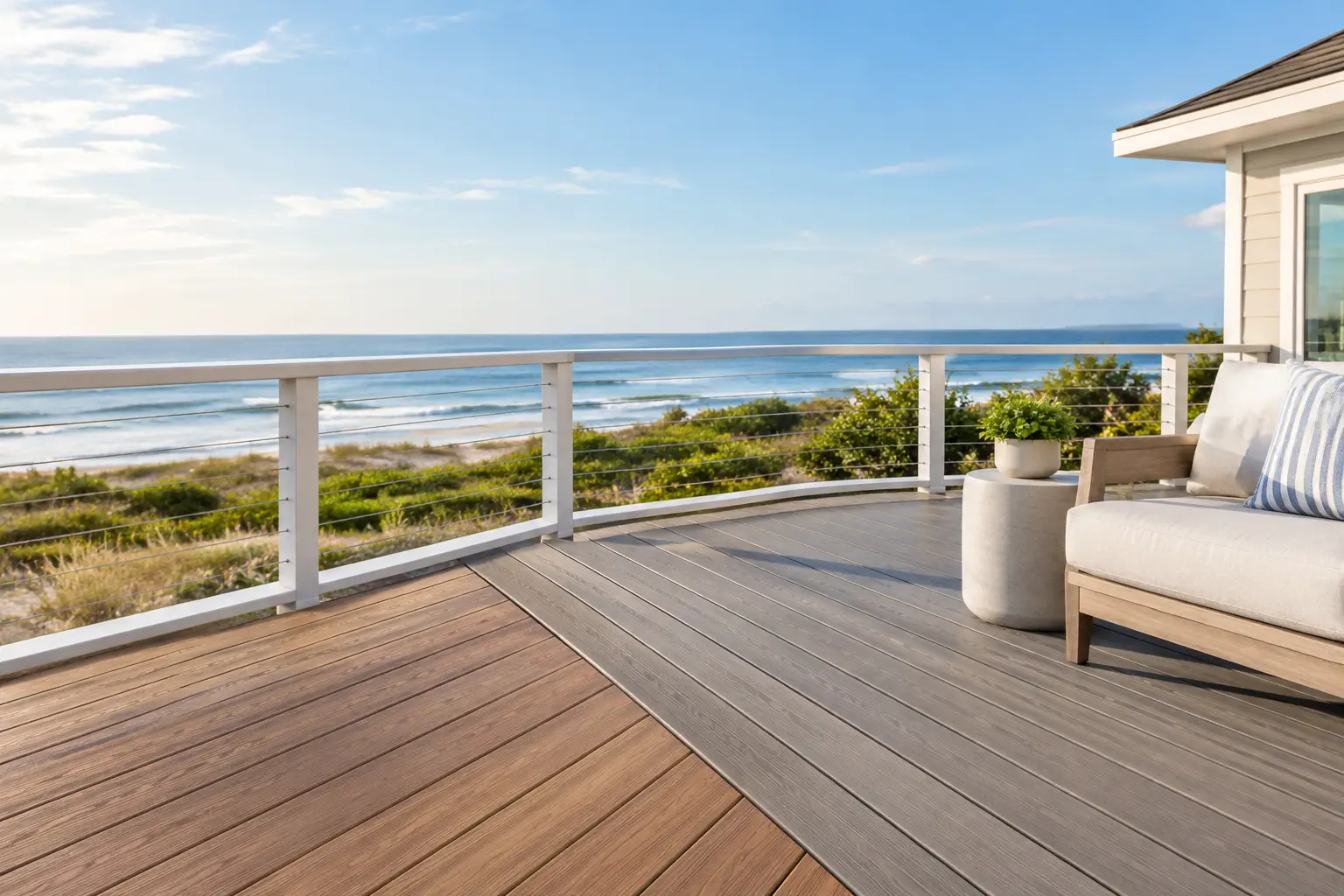
Compare patio enclosure options for Mobile and Baldwin County homes, from screened rooms to sunrooms, with guidance on daily comfort, cost, and upkeep.
How to Choose Kitchen Countertops With Confidence

A countertop can look perfect in a showroom and still be the wrong choice for the way your family uses the kitchen. That is why learning how to choose kitchen countertops starts with real life: the meals you cook, the messes you expect, the time you want to spend cleaning, and the budget you want to protect.
For homeowners in Mobile and Baldwin Counties, a kitchen remodel is often an investment in both daily comfort and long-term home value. The right countertop should support that investment with dependable performance, not just a good first impression.
Start With How Your Kitchen Is Used
Before comparing samples, think about what happens on your counters each day. A kitchen that hosts grandchildren, handles weeknight dinners, and serves as the gathering place for holidays needs a different surface than a lightly used kitchen in a retirement home.
If you cook often, heat resistance, stain resistance, and easy cleanup may be your top priorities. If the kitchen is primarily for entertaining, the visual impact of a natural stone or dramatic veining may matter more. Families with young children may prefer a surface that does not require special care after every spill.
It also helps to consider the habits you already have. Do you set down hot cookware without thinking? Do you chop directly on the counter? Are you willing to wipe spills promptly and follow a sealing schedule? Honest answers narrow the field quickly and help prevent disappointment after installation.
Set a Realistic Countertop Budget
Countertops are not a single line item. The final price can include the material, fabrication, edge profile, cutouts for the sink and cooktop, backsplash, removal of existing countertops, plumbing reconnection, and installation. A material that appears affordable by the slab can become more expensive once those details are included.
Your countertop budget should also fit the kitchen as a whole. It rarely makes sense to spend heavily on a premium natural stone if doing so forces compromises on cabinet quality, lighting, flooring, or the layout improvements that will make the room work better.
When comparing estimates, make sure you are comparing the same scope. Ask what is included, what could add cost, and whether the material selection has limitations based on slab size, seams, or availability. Clear communication at this stage is one of the best ways to avoid surprises later.
Compare Materials by Performance, Not Just Appearance
Every countertop material has strengths and trade-offs. There is no one best option for every home.
Quartz: Consistent and Low Maintenance
Quartz countertops are engineered from natural quartz and resins. They are popular because they offer a wide range of colors and patterns, including looks inspired by marble and natural stone, without the routine sealing associated with many porous materials.
Quartz resists stains well and is easy to clean with mild soap and water. It is a strong choice for busy households that want a polished look with less upkeep. However, it is not the best surface for extreme heat. Hot pans should still go on trivets, and direct sunlight or intense heat near outdoor cooking areas should be considered carefully.
Granite: Natural Character and Durability
Granite remains a favorite for homeowners who want a one-of-a-kind natural surface. Each slab has its own movement, color variation, and mineral pattern, which can give a kitchen warmth that manufactured materials cannot exactly duplicate.
Granite handles heat well and stands up to normal kitchen use. Depending on the stone and finish, it may need periodic sealing to help prevent staining. The look is worth it for many homeowners, but it is important to view the actual slab before making a final decision. A small sample cannot show the full color range or veining of a natural material.
Marble: Timeless, but Demanding
Marble has a classic appearance that works especially well in historic homes and traditional kitchens. It can bring a bright, refined feel to an older Mobile home or a carefully restored property.
It also requires realistic expectations. Marble can etch when exposed to acidic foods and drinks, and it can stain if spills are left untreated. Some homeowners appreciate the patina that develops over time. Others find every mark frustrating. Marble is best for people who love the material enough to accept its natural changes.
Solid Surface, Laminate, and Butcher Block
Solid-surface countertops provide a smooth, uniform appearance and can be repaired if scratched or damaged. They are practical for many kitchens, though they are generally less heat resistant than stone surfaces.
Modern laminate offers far more attractive patterns than many homeowners remember. It is cost-conscious, easy to clean, and available in designs that imitate wood, stone, and concrete. It can be a smart choice when a remodel budget needs to stretch further, although cuts, burns, and moisture damage at seams remain concerns.
Butcher block adds warmth and works beautifully as an island accent or baking station. It needs regular care, can scratch and dent, and should not be treated like a maintenance-free stone surface. Used in the right place, it brings character that other materials cannot match.
How to Choose Kitchen Countertops That Work With Your Cabinets
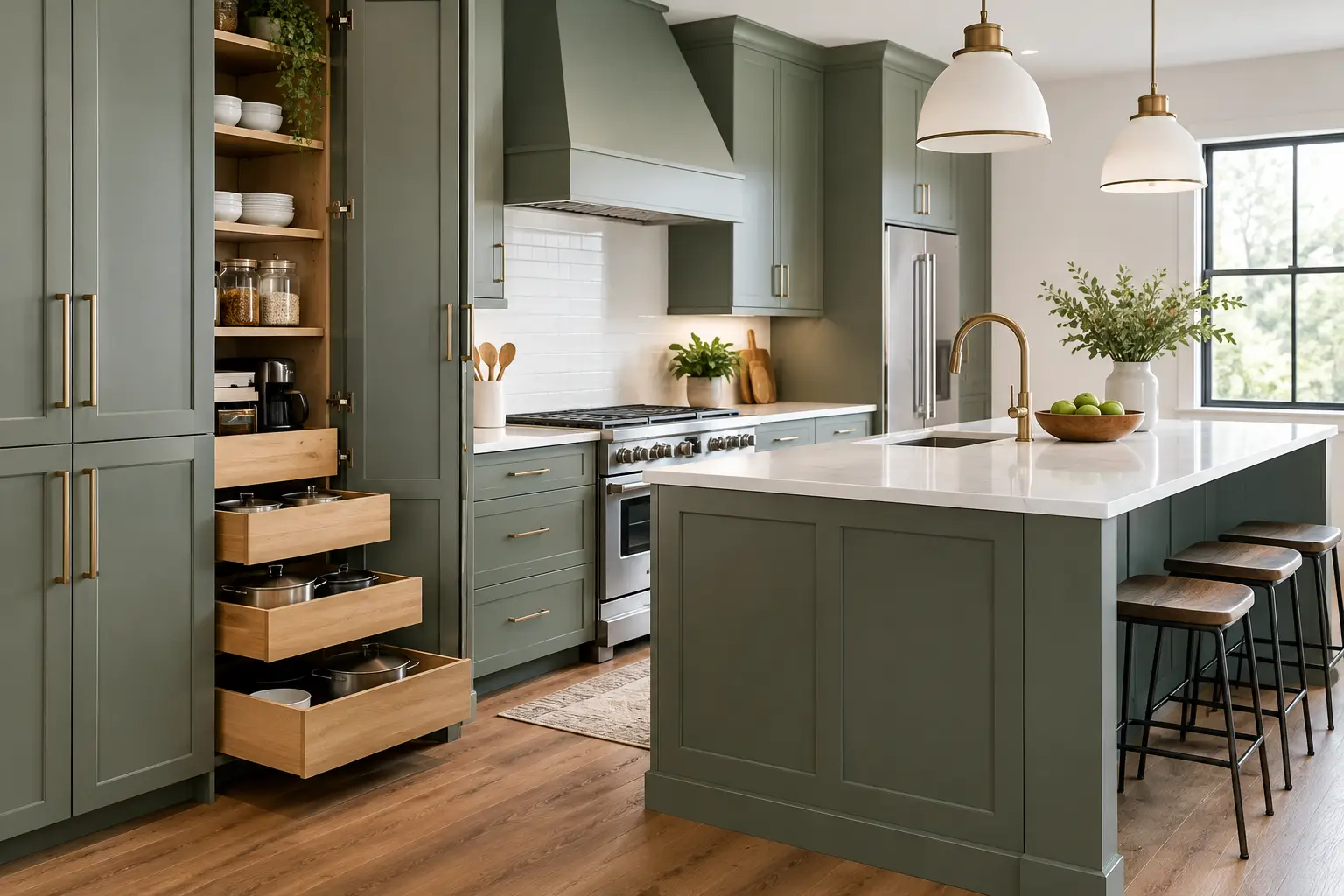
Countertops should support the overall design rather than compete with it. Start by choosing the feature you want to stand out most. If your cabinetry has strong grain, bold color, or detailed door styles, a quieter countertop can create balance. If the cabinets are simple and neutral, the countertop may be the right place to introduce movement or contrast.
Bring cabinet door samples, flooring samples, backsplash options, and paint colors when reviewing countertop choices. Look at them under different lighting, especially if the kitchen receives strong afternoon sun. A slab that looks soft gray under showroom lighting may read blue, beige, or much darker in your home.
Think about scale as well. Large, sweeping veins can be striking on a spacious island but may feel busy in a smaller kitchen with several seams and short runs. On the other hand, a modestly patterned countertop can help a compact kitchen feel calmer and more open.
Do Not Overlook Edges, Seams, and Details
The countertop itself is only part of the finished result. Edge profiles affect both appearance and everyday comfort. A simple eased edge is clean, durable, and easy to maintain. More decorative edges can suit traditional kitchens, but they may cost more and collect more crumbs.
Ask where seams will be located, particularly on long countertop runs and large islands. Fabricators work to make seams as discreet as possible, but most slab materials will have them in certain layouts. Reviewing the plan before fabrication allows you to understand what the finished kitchen will look like.
Sink selection matters, too. An undermount sink creates a clean transition from counter to sink and makes cleanup easier, but it must be paired with a material and installation method that support it properly. Faucet holes, cooktop cutouts, and overhangs for seating should all be planned before the countertop is fabricated.
Account for Maintenance Before You Commit
A beautiful countertop should fit your willingness to care for it. For some households, that means a low-maintenance quartz surface and a simple cleaning routine. For others, it means enjoying the character of sealed granite or accepting the evolving finish of marble.
Avoid choosing based only on a quick online photo. Touch samples. Ask how the material handles coffee, oil, lemon juice, hot cookware, and daily cleaning. Confirm whether sealing is needed and how often. A contractor who listens to how you live can help you choose a surface that is both attractive and practical.
Choose With the Whole Remodel in Mind
Countertops are installed late in the remodeling process, but the choice affects earlier decisions. Cabinet dimensions, appliance placement, backsplash height, sink type, and island seating all need to work together. A well-managed kitchen remodel plans these pieces as one system instead of treating the countertop as an afterthought.
At Integrity Remodeling & Construction, we believe homeowners deserve honest guidance throughout those decisions. Quality craftsmanship begins with listening carefully, setting clear expectations, and helping you understand the trade-offs before work begins.
The best countertop is not necessarily the most expensive slab or the trendiest color. It is the one that feels right when you are making breakfast on a busy Monday, cleaning up after a family gathering, and enjoying your kitchen for years to come.
Related Posts