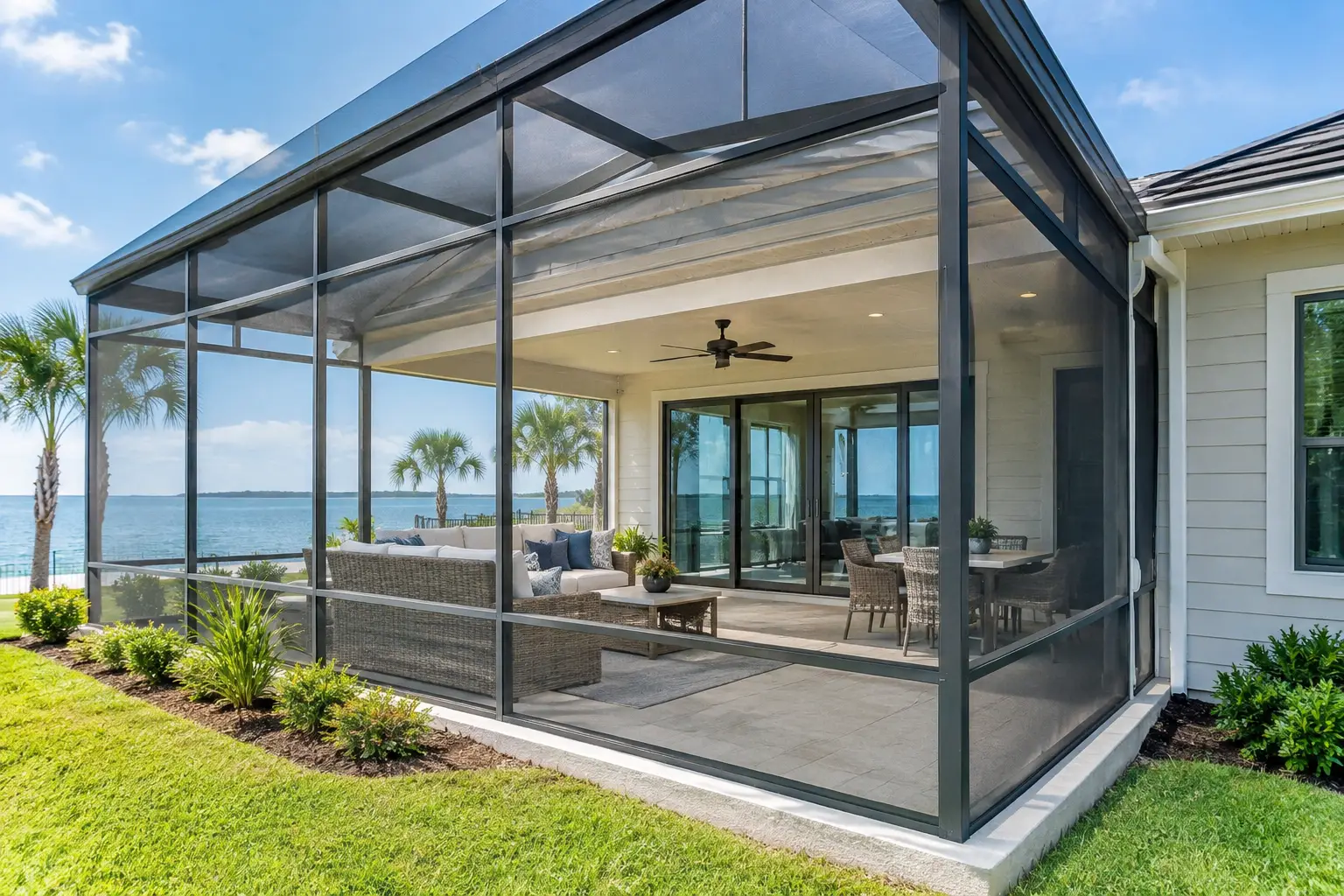
Compare patio enclosure options for Mobile and Baldwin County homes, from screened rooms to sunrooms, with guidance on daily comfort, cost, and upkeep.
Window Installer Evaluation: What Homeowners Should Check
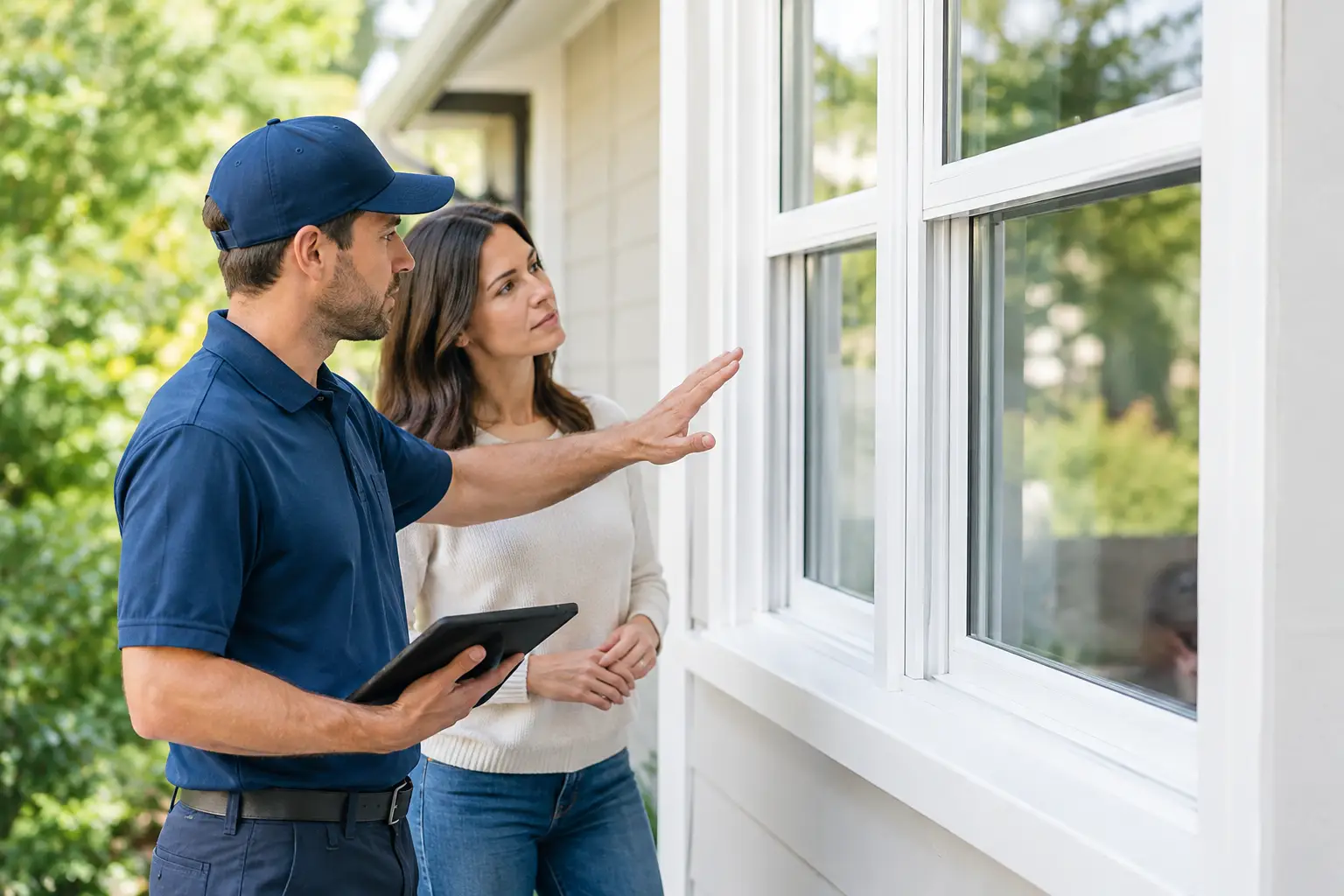
A window installer evaluation should go well beyond comparing a few prices. Windows affect your home’s comfort, appearance, energy use, weather protection, and resale value. Along the Gulf Coast, where high humidity, driving rain, heat, and storms can expose weak installation work quickly, the person installing the window matters just as much as the window itself.
A low bid can be tempting, especially when several windows need replacement. But an improperly installed high-quality window can still leak, stick, fog up around the frame, or leave damaged trim behind. A dependable contractor helps you understand what you are buying, explains the work clearly, and stands behind the finished result.
Start With Experience That Fits Your Home
Not every window project is the same. Replacing standard vinyl windows in a newer home is different from updating windows in a historic Mobile home, repairing rot around old wood frames, or installing new windows as part of a siding renovation. Ask prospective installers how often they handle projects similar to yours.
Experience should be specific. A contractor who has installed windows for decades may be a strong choice, but homeowners should still ask who will perform the work, whether that crew is regularly used by the company, and who will manage questions or concerns during the project. Clear answers are a good sign. Vague promises that “someone will take care of it” are not.
For older homes, evaluation should include the condition of the surrounding walls, exterior trim, siding, and interior finishes. Removing an old window can uncover water damage or framing issues that were hidden from view. A careful installer explains that possibility before work begins and provides a reasonable process for handling repairs if they are needed.
Check Licensing, Insurance, and Local Requirements
Hiring a contractor is a trust decision, not just a purchase. Before approving a proposal, ask for proof of appropriate licensing and insurance. General liability coverage matters because window replacement involves working around your home’s exterior, interior finishes, and sometimes elevated openings. Workers’ compensation coverage is also worth discussing when a crew will be working on your property.
Permitting requirements can vary by location and project scope. In Mobile and Baldwin Counties, factors such as wind exposure, structural changes, historic district rules, and local building requirements may affect the work. Your installer should be able to explain whether permits are needed and who is responsible for obtaining them.
Be cautious if a contractor dismisses permits without first reviewing your project. The right answer is not always that a permit is required, but it should be an informed answer based on the home, location, and work being performed.
Look at Installation Details, Not Just Window Brands
Homeowners often spend most of their research time comparing glass packages, frame materials, colors, and energy ratings. Those details matter. Still, even an excellent window can fail to perform as expected if it is set out of square, inadequately sealed, or flashed incorrectly.
During a window installer evaluation, ask the contractor to walk you through the installation process in plain language. They should be able to describe how they will remove the existing unit, inspect the opening, level and secure the replacement, seal gaps, manage water at the exterior, and finish the interior and exterior trim.
On the Gulf Coast, moisture management deserves special attention. Caulk alone is not a complete water-management plan. Proper flashing, compatible sealants, sound exterior trim, and careful attention to the opening all work together to help direct water away from vulnerable areas.
You should also ask what happens if the crew finds rotten wood, insect damage, or an opening that is not properly framed. No contractor can predict every concealed condition before an old window is removed. What matters is whether the company has a fair, documented way to show you the issue, explain the options, and price additional repairs before proceeding.
Compare Proposals Line by Line
A detailed proposal makes it easier to compare contractors fairly. Two prices that seem far apart may not include the same scope of work. One may cover removal and disposal, exterior trim repairs, screens, interior touch-ups, and cleanup, while another only covers setting the replacement windows.
A good written proposal should identify the window manufacturer or product line, the number and general locations of windows, frame color and glass options, and the expected scope of installation. It should also state what is included for trim, caulking, disposal, protection of nearby surfaces, and cleanup.
Look for these details before signing:
- Who supplies the windows and who confirms measurements before ordering
- How damaged trim, rot, or other hidden conditions will be handled
- Whether permits, inspections, and applicable fees are included
- The payment schedule and whether deposits are tied to material ordering
- What warranties apply to the product and to the installation labor
The lowest estimate is not necessarily a poor choice, and the highest estimate is not automatically the best. The goal is to understand the difference. If one proposal is thousands less, ask what has been excluded. Honest contractors should welcome that conversation rather than pressure you to decide quickly.
Pay Attention to Communication Before Work Starts
How a contractor communicates during the estimate process often tells you what the project experience will be like. Do they return calls? Do they listen when you describe concerns about drafts, water stains, difficult-to-open windows, or exterior appearance? Do they explain recommendations without making you feel rushed?
Homeowners deserve direct answers about timing as well. Window orders may take time, particularly for custom sizes, specialty glass, or particular colors. A dependable contractor will give a realistic timeline, explain what could affect it, and keep you informed if circumstances change.
Ask who your point of contact will be once the work is scheduled. A clear project manager or office contact can prevent small questions from turning into avoidable frustration. This is especially valuable when window replacement is part of a larger project involving siding, painting, a sunroom, or an addition.
Review Workmanship and References Carefully
Photos of completed projects can be helpful, but they do not tell the whole story. Ask to see examples that show exterior trim lines, interior finish work, and homes similar to yours. Look for clean caulk lines, consistent spacing, neat trim, and windows that fit the style of the home rather than appearing like an afterthought.
Reviews and references are also useful when you read for patterns. A single glowing comment is encouraging, but repeated feedback about responsiveness, respect for the property, clear communication, and follow-through carries more weight. Pay attention to how customers describe the contractor when unexpected issues came up. That is often where professionalism shows.
For a historic home, ask whether the contractor can preserve architectural details or create replacement trim that respects the home’s character. In some cases, full replacement is the best solution. In others, repairs or carefully selected windows may better protect the look and value of the property. The right recommendation depends on the condition of the existing windows, your performance goals, and the home’s design.
Know What a Professional Installation Day Looks Like
A well-run crew should arrive prepared, protect work areas, and keep the job site orderly. Window replacement can create dust and debris, especially when old frames or trim must be removed. Ask how furniture, floors, landscaping, and exterior features will be protected.
Before the crew leaves, windows should operate smoothly and lock correctly. Screens, hardware, and glass should be inspected for damage. The team should remove old materials and leave the area reasonably clean. If painting, trim repairs, or additional exterior work are part of the project, make sure you understand whether those items happen the same day or on a scheduled return visit.
At Integrity Remodeling & Construction, we believe homeowners should never have to guess what is happening at their own home. Quality craftsmanship matters, but so do honest communication, careful planning, and a crew that respects your property from the first measurement through final cleanup.
The best next step is simple: choose an installer who is willing to slow down, inspect the full condition of your openings, put the scope in writing, and answer your questions without pressure. That kind of care before installation is often the clearest sign of the care your home will receive when the work begins.
Related Posts