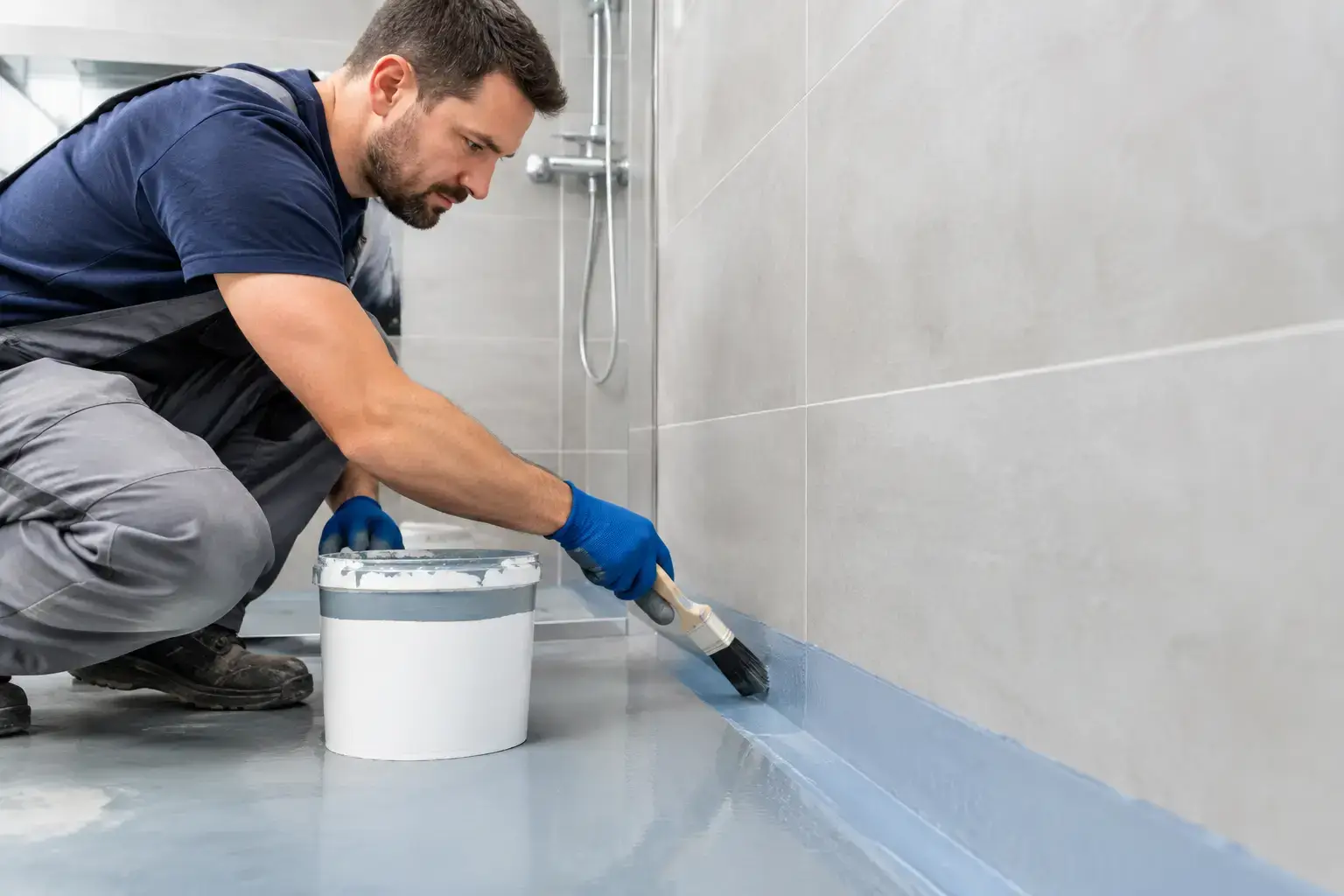
This guide to bathroom waterproofing helps Mobile and Baldwin County homeowners prevent leaks, protect finishes, and plan a bathroom remodel with confidence.
Casement Window Comparison for Alabama Homes
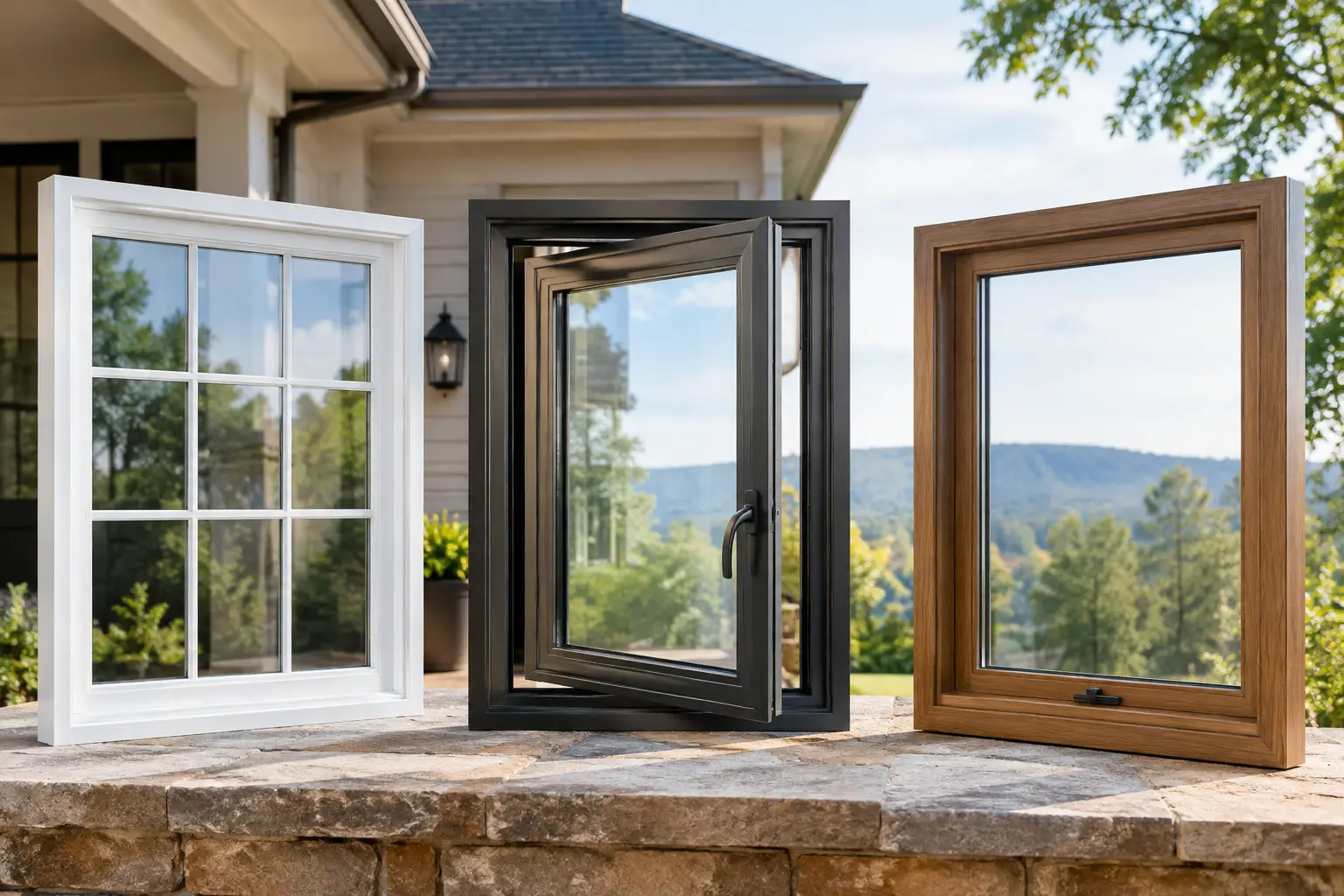
A window that sticks during a humid August morning is more than an annoyance. It can limit ventilation, let conditioned air escape, and make a room feel older than it should. This casement window comparison helps Mobile and Baldwin County homeowners decide whether a side-hinged window is the right fit for their home, their budget, and the way they use each room.
Casement windows open outward on hinges, usually with a hand crank. They are common in kitchens, bathrooms, sunrooms, and areas where homeowners want a broad view and plenty of fresh air. They can be an excellent choice on the Gulf Coast, but no window style is right for every opening. The best decision depends on location, exposure, operation, appearance, and installation quality.
Casement Window Comparison: How They Differ
The defining feature of a casement window is its side hinge. A single sash swings outward like a door, while a French casement configuration uses two sashes that open from the center without a fixed center bar. When closed, the sash presses tightly against the frame seal. That design is one reason casement windows are often selected for energy efficiency.
Double-hung windows operate differently. Their sashes slide vertically, allowing the top, bottom, or both sashes to open. Sliding windows move horizontally on a track. Awning windows are hinged at the top and push outward from the bottom. Picture windows do not open at all, but they provide clear views and abundant natural light.
For many homes, this is not an either-or decision. A large fixed picture window flanked by casements can create an open view while still providing ventilation. A double-hung window may better suit a traditional façade, while a casement can make better use of a tight opening over a kitchen counter.
Airflow and Everyday Use
Casement windows are strong performers for ventilation. Because the sash opens outward, it can catch side breezes and direct air into the room. This can be especially useful in rooms that get stuffy, including bathrooms, laundry rooms, and enclosed sunrooms.
They are also easy to operate in locations that are hard to reach. A crank handle is often more convenient than lifting a sash when the window sits behind a sink or countertop. For homeowners planning to age in place, easy operation can be a meaningful consideration, although handle placement and reach should be reviewed during the design process.
The trade-off is exterior clearance. A casement window needs room to swing open. That can be a problem beside a walkway, porch, deck, or patio where an open sash could interfere with foot traffic. It may also be less practical near shrubs, exterior fixtures, or areas that receive frequent wind-driven rain.
Double-hung and sliding windows do not project outward, so they are often better for openings near paths and outdoor living spaces. Double-hung windows also offer a familiar look that fits many historic and traditional homes throughout the area.
Ventilation Depends on Placement
Window style matters, but placement matters just as much. Two operable windows on opposite sides of a room can create cross-ventilation that one window alone cannot. If fresh air is the priority, consider where prevailing breezes reach the house and how furniture, interior doors, and the room layout affect airflow.
In bathrooms, an awning or casement window placed high on the wall may provide privacy and ventilation at the same time. In a bedroom, local egress requirements may influence the size and type of operable window allowed. Those details should be confirmed before selecting a replacement window.
Energy Efficiency and Weather Resistance
A properly installed casement window can provide a very tight seal. When the crank closes the sash, it compresses against weatherstripping rather than relying on overlapping sliding parts. That may help reduce drafts and make indoor temperatures easier to manage during Alabama’s hot, humid summers.
Still, energy performance is not determined by style alone. Glass package, frame material, low-emissivity coatings, proper flashing, insulation around the opening, and installation all matter. A high-quality window installed poorly can create water and air intrusion problems. A modestly priced window installed with care can perform far better over time.
For coastal and storm-prone areas, homeowners should also consider wind exposure and product ratings. Windows near Mobile Bay, on open lots, or close to the coast may face stronger wind and rain conditions than more protected homes. Depending on the location and project scope, local building requirements and wind-load ratings may affect the products available for the job.
Casement windows have a practical weather consideration: they should not be left open during a hard rain. Their outward-opening design can allow water in when rain is blowing toward the opening. Awning windows offer a slight advantage in light rain because the sash creates a small cover above the opening, though they should still be closed in severe weather.
Cost, Maintenance, and Long-Term Value
Casement windows often cost more than basic sliding or single-hung options of a similar size. The hardware, hinge system, crank mechanism, and tighter sealing design all add complexity. French casements and oversized units can add further cost.
That initial price should be weighed against the window’s intended use. If a window will rarely be opened, paying for a premium operable unit may not make sense. A fixed window can be a smart value in a location where daylight and views matter more than ventilation. On the other hand, spending more for a casement over a kitchen sink may be worthwhile if it makes the window easier to use every day.
Maintenance is generally straightforward, but it should not be ignored. Homeowners should keep hinges and tracks clear of debris, inspect weatherstripping, and use the crank gently rather than forcing it. Screens are typically located on the interior side of a casement window, which makes them easier to remove for cleaning. The exterior glass can be harder to clean from inside than a tilt-in double-hung window, especially on upper stories.
Frame material also affects maintenance. Vinyl offers low upkeep and good value for many homeowners. Fiberglass can provide strength and stability with a clean appearance. Wood delivers warmth and is often a natural choice for historic homes, but it requires more regular attention to paint, caulk, and moisture protection. The right answer depends on the home’s character, the surrounding exposure, and the level of maintenance a homeowner is comfortable taking on.
Matching the Window to the Room
A practical casement window comparison should account for each room instead of applying one style throughout the house. Kitchens are one of the best locations for casements because of their easy crank operation. Bathrooms can benefit from their ventilation, particularly when privacy glass or elevated placement is used.
Living rooms and sunrooms are more dependent on the view, wall space, and architectural style. Large picture windows paired with narrower casements can make a room feel brighter without filling every opening with moving parts. In bedrooms, function and code considerations take priority. In historic homes, maintaining appropriate proportions, grille patterns, trim details, and sightlines may be more important than choosing the newest operating style.
Exterior appearance deserves attention, too. Casement windows create clean, broad glass areas that suit many contemporary and coastal homes. Double-hung windows may look more natural on Colonial, cottage, and traditional Southern architecture. A replacement window project should improve performance without making the front of the home look mismatched.
Installation Is Part of the Decision
A replacement window is only as dependable as its installation. Before work begins, the contractor should evaluate the condition of the existing opening, exterior trim, siding, wall flashing, and any signs of rot or water damage. Simply fitting a new window into a compromised opening can hide the source of a larger issue instead of correcting it.
This is particularly important on older homes, where the visible window may be only one part of the repair. Careful measurement, proper shimming, flashing, sealing, and finish work protect the investment and help the window operate as intended. Honest communication about what is found behind the trim gives homeowners a clearer picture of the project before surprises turn into delays.
At Integrity Remodeling & Construction, we believe replacement windows should fit the home and the homeowner’s priorities, not a one-size-fits-all sales pitch. A thoughtful evaluation can help determine whether casements, double-hung windows, fixed units, or a combination will give you the best result.
The right window should make your home more comfortable without creating new maintenance concerns or compromising its character. Start with how each room is used, where rain and wind hit the house, and what you need the window to do every day. That is the kind of decision that holds up long after the installation is complete.
Related Posts