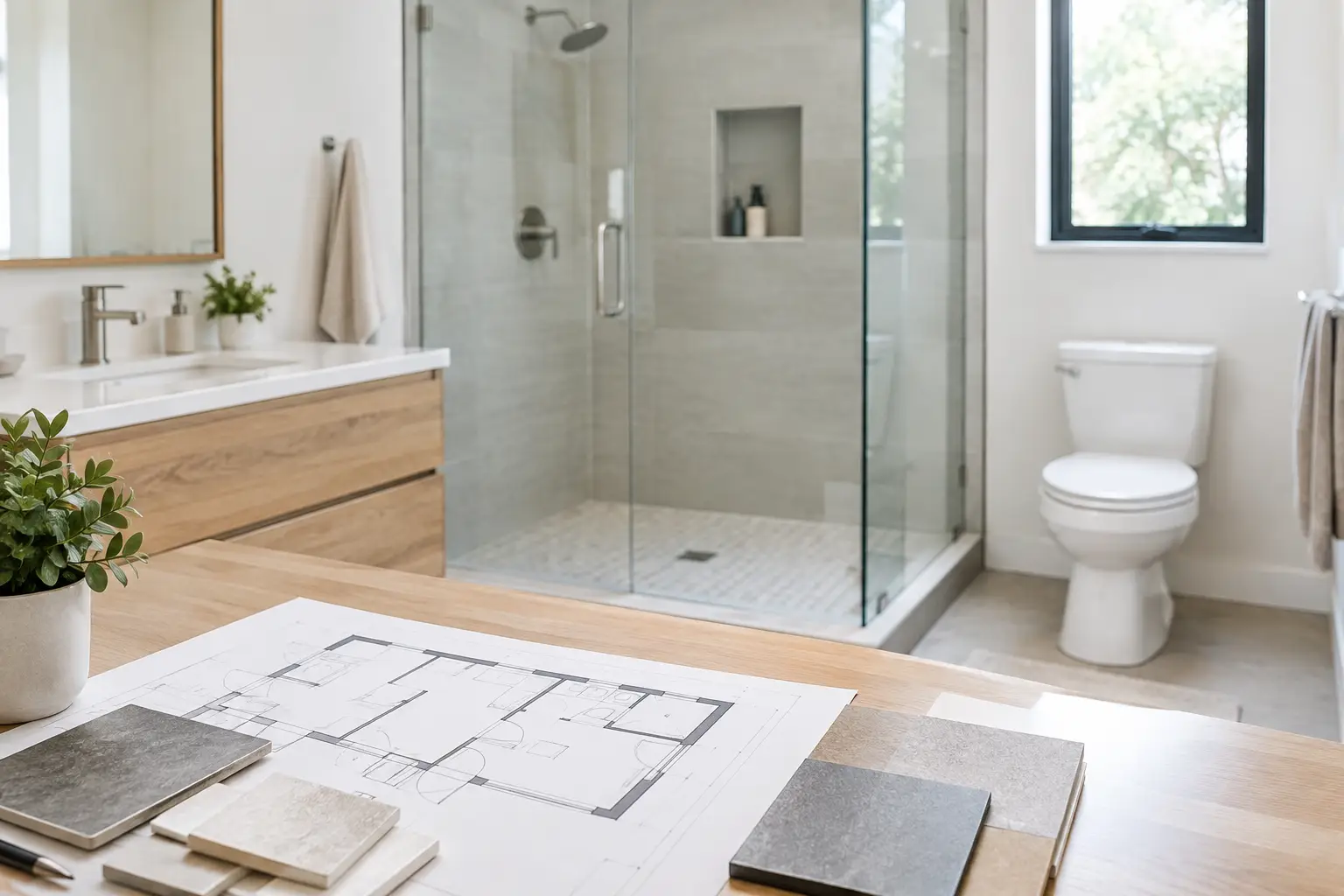
This guide to bathroom waterproofing helps Mobile and Baldwin County homeowners prevent leaks, protect finishes, and plan a bathroom remodel with confidence.
What Makes a Contractor Reliable? 8 Signs

A remodeling project can be exciting right up until you start wondering whether the person you hired will return your calls, protect your home, and finish what they promised. That concern is reasonable. A kitchen remodel, home addition, or bathroom update affects how your family lives every day, and it represents a meaningful investment in your property.
So, what makes a contractor reliable? It is not one polished estimate, a low price, or a confident sales presentation. Reliability shows up in the small, consistent actions that happen before work begins and continue until the final detail is complete.
1. A Reliable Contractor Communicates Clearly From the Start
The first conversations tell you a great deal. A dependable contractor listens to what you want to accomplish, asks practical questions about your home, and explains what the project may involve. They do not rush to offer a price before understanding the space, your priorities, and the condition of the existing construction.
Clear communication also means being honest about what is known and what still needs to be determined. In an older Mobile home, for example, opening a wall may reveal outdated wiring, water damage, or framing concerns that were not visible during the initial walkthrough. A reliable contractor does not pretend those possibilities do not exist. They explain them plainly and discuss how they would be handled if they arise.
Responsiveness matters, but homeowners should look for more than fast replies. The real test is whether answers are useful, consistent, and easy to understand. You should feel comfortable asking questions without feeling dismissed or pressured.
2. The Estimate Is Detailed Enough to Be Useful
A free estimate is helpful, but a reliable contractor treats it as more than a rough number on a page. The scope should give you a clear picture of the planned work, materials or allowances where applicable, and the major expectations for the project.
The lowest bid is not always the best value. A price that looks dramatically lower than others may leave out preparation, permits, finish work, disposal, quality materials, or labor needed to do the job correctly. Comparing estimates line by line can reveal whether contractors are actually pricing the same work.
A dependable professional will also explain allowances and exclusions. If you are selecting tile, fixtures, windows, or cabinetry, ask what amount is included and what happens if your choices exceed that allowance. There is no single perfect estimate format for every project, but there should be no mystery about what you are paying for.
3. They Set Realistic Expectations Instead of Easy Promises
Homeowners want a project completed quickly. A contractor knows that. Still, a reliable contractor will not promise an unrealistic completion date just to win the job.
Weather can affect exterior painting, siding, decks, patios, and additions along the Gulf Coast. Material availability can change. Inspections must happen on their own schedule. Custom items such as cabinets or specialty windows may require lead time. None of those factors excuse poor planning, but they are real conditions that should be discussed before construction starts.
Look for a contractor who provides a reasonable project timeline and keeps you informed when circumstances change. Dependable project management is not the absence of every surprise. It is the willingness to address a surprise promptly, explain its effect on cost or schedule, and keep the next steps organized.
4. What Makes a Contractor Reliable During Construction
Reliability becomes most visible once work is underway. Crews should arrive as scheduled or let you know when plans change. The work area should be treated with respect. Your contractor should have a plan for protecting floors, controlling dust where possible, securing the site, and cleaning up at appropriate points during the job.
You should also know who is responsible for your project. On a substantial renovation, several skilled trades may be involved. That is normal. What matters is that someone is coordinating the work, checking quality, and remaining accountable when you have a question.
A contractor who disappears after the contract is signed creates unnecessary stress. A reliable one maintains a point of contact and keeps communication moving, whether the update is a quick call, a site meeting, or a conversation about an upcoming decision.
5. Skilled Work Includes the Parts You May Not See
A beautiful finished room matters, but craftsmanship starts behind the walls and beneath the surfaces. Proper framing, waterproofing, flashing, ventilation, preparation, and installation practices affect whether a remodel performs well years from now.
This is especially important in bathrooms, kitchens, exterior improvements, and historic homes. A bathroom can have attractive tile and still develop serious problems if moisture protection was handled poorly. New windows can look great but underperform if they are not properly integrated with the home’s exterior. Historic remodeling requires an added level of care because original materials and construction details may need to be preserved, repaired, or matched thoughtfully.
Ask contractors about their experience with projects like yours. A good answer should be specific. It may include how they approach water management, protect existing finishes, coordinate structural changes, or work around the unique needs of an older home. General promises of “great quality” are less meaningful than a clear explanation of how that quality is achieved.
6. They Handle Changes Openly and in Writing
Changes are common in remodeling. You may decide to move a light fixture, upgrade a countertop, add storage, or address a hidden repair uncovered during demolition. Those changes do not have to derail the project, but they should be managed carefully.
Before extra work proceeds, a reliable contractor explains what is changing, why it is needed, and how it affects the price and timeline. The details should be documented so everyone is working from the same understanding.
This protects both the homeowner and the contractor. It prevents the frustrating situation where one person believes something was included while the other believes it was an additional request. Honest communication is not always about delivering easy news. It is about delivering clear news early enough for you to make an informed decision.
7. Their Reputation Has Specific, Consistent Proof
Reviews and referrals can be valuable, especially when they describe the details that matter to you. Pay attention to comments about communication, punctuality, cleanliness, problem-solving, respect for the home, and follow-through. A short review that says a contractor was “great” is positive, but a detailed account of how they handled a challenge often tells you more.
You can also ask for examples of similar work. If you are planning a sunroom, addition, kitchen renovation, or historic home update, experience in that category matters. A contractor does not need to claim that every project is identical. They should be able to show that they understand the planning and construction issues involved.
Local experience is useful, too. Contractors serving Mobile and Baldwin Counties understand regional weather, common home styles, and the practical expectations of homeowners in communities such as Fairhope, Daphne, Spanish Fort, Foley, and Mobile.
8. They Stand Behind the Finished Project
The final walkthrough should not feel like a race to collect the last payment. It is the time to review completed work, identify any remaining touch-ups, and make sure you understand the finished result. A reliable contractor welcomes that conversation because details matter.
Ask how post-project concerns are handled. No construction project is immune from minor adjustments, and materials can occasionally have issues beyond anyone’s control. The key question is whether the contractor remains available and takes reasonable responsibility for addressing legitimate concerns.
At Integrity Remodeling & Construction, dependable service means pairing quality craftsmanship with the kind of honest communication homeowners need throughout a renovation. That standard applies whether the job is a fresh coat of exterior paint or a larger remodel that changes how a family uses its home.
Choosing a Contractor You Can Trust
Before signing an agreement, take time to compare more than prices. Consider how each contractor listened, how clearly they described the work, whether their estimate made sense, and how they responded to difficult questions. Trust your observations. If communication is confusing before the project begins, it rarely becomes clearer after walls are opened and work is underway.
The right contractor will not make a renovation completely inconvenience-free. Good work takes planning, decisions, and patience. But a reliable professional will make the process feel organized, respectful, and manageable – giving you confidence that your home is being cared for every step of the way.
Related Posts