Compare the best kitchen countertop materials for Mobile and Baldwin County homes, including durability, maintenance, cost, and best fit for your kitchen.
10 Best Bathroom Safety Features for Your Home
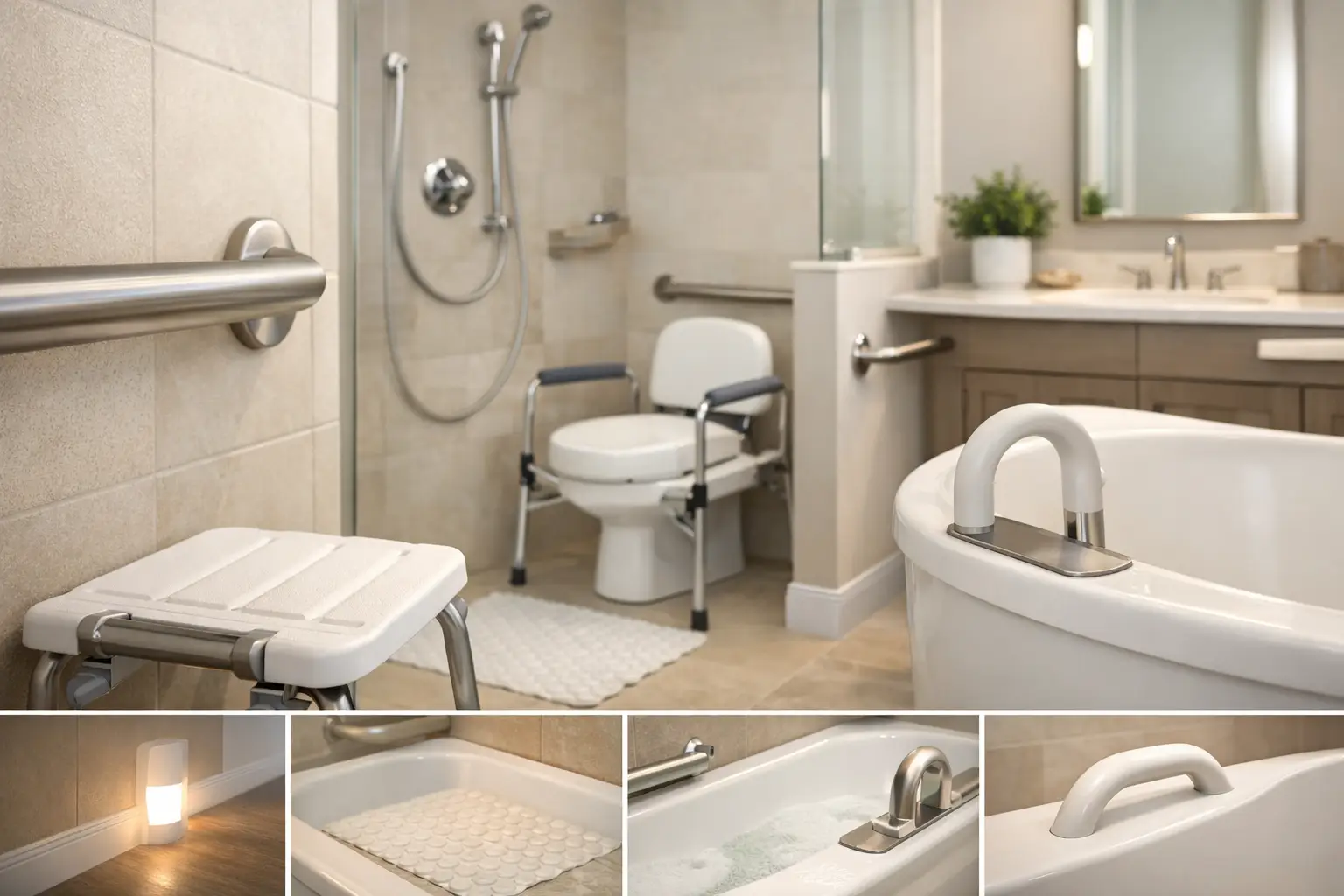
A bathroom should be easy to use when you are carrying a toddler, recovering from surgery, aging in place, or simply stepping out of the shower on a busy morning. The best bathroom safety features do more than reduce the chance of a fall. When planned well during a remodel, they make the room more comfortable, practical, and attractive for everyone who uses it.
For homeowners in Mobile and Baldwin Counties, humidity, wet feet, and daily family traffic can make a slippery or cramped bathroom especially frustrating. A thoughtful bathroom renovation can address those concerns without making the space feel clinical. The right choices depend on who uses the room, how long you plan to stay in the home, and the existing layout.
Best Bathroom Safety Features to Plan First
Not every safety improvement needs to happen at once. Still, some features are much easier and more cost-effective to include while walls, floors, and plumbing are already open. Starting with the highest-risk areas – the shower, tub, toilet, and bathroom floor – gives your project a strong foundation.
1. A curbless or low-threshold shower
Stepping over a high tub wall or shower curb is one of the most common trouble spots in a bathroom. A curbless shower creates a smooth transition from the bathroom floor into the shower, making it easier for people with limited mobility and more convenient for a future walker or wheelchair.
This option requires careful planning. The floor must be properly sloped to direct water to the drain, and the waterproofing beneath the tile has to be done correctly. A low-threshold shower can be a good alternative when the home’s framing or existing plumbing makes a completely curbless design impractical. Either choice can look clean and modern while making daily routines safer.
2. Slip-resistant flooring underfoot
Beautiful flooring is not helpful if it becomes slick when wet. Choose bathroom floor tile with a slip-resistant finish rather than a highly polished surface. Smaller tiles can also provide more grout lines for traction, especially in shower floors.
Material selection matters, but installation matters just as much. Floors should be flat, transitions should be smooth, and the shower should drain quickly instead of allowing water to pool. If you prefer larger-format tile for a more open look, ask how the selected product performs in wet areas before making a final decision.
3. Grab bars installed into solid blocking
Grab bars are no longer limited to institutional-looking designs. Today’s options come in finishes and styles that coordinate with faucets, towel bars, and cabinet hardware. The key is not just selecting a quality bar. It must be securely attached to framing or solid blocking behind the wall.
During a remodel, adding blocking around the shower, tub, and toilet is a wise investment even if you do not need grab bars today. That preparation allows them to be added later without opening finished walls. A professionally installed grab bar can provide reliable support when standing, turning, or getting in and out of the shower.
4. A shower bench or built-in seat
A shower seat gives users a stable place to sit while bathing, shaving, or taking a break. It can be particularly helpful for retirees, people with injuries, and anyone who experiences fatigue or balance concerns. A properly built tile bench also adds a useful surface for bath products.
A permanent bench takes up some shower space, so it works best when the shower is sized accordingly. In a smaller shower, a wall-mounted folding seat may offer a practical compromise. Like grab bars, seating needs solid support behind the wall and proper waterproofing throughout the installation.
5. Better lighting where it matters
Dim bathrooms hide water on the floor, make it harder to judge steps and edges, and create unnecessary strain during grooming. A safe lighting plan usually includes general ceiling lighting, focused vanity lighting, and a well-lit shower area.
Place light switches where they are easy to reach before entering the room. Motion-sensor or occupancy-sensor lighting can be useful for nighttime trips, especially in a primary bathroom or guest bath used by older family members. Night lighting near the floor is another small addition that can prevent disorientation without flooding the room with bright light.
6. A comfortable vanity height and clear approach
The right vanity is about more than cabinet color and countertop material. A height that feels comfortable reduces bending and strain, while adequate open floor space makes it easier to turn, stand, and assist a family member if needed.
For a homeowner planning to age in place, consider whether part of the vanity should include knee clearance for seated use. That is not necessary for every household, but planning ahead can make a future adaptation much simpler. Lever-style faucet handles or a single-handle faucet are also easier to operate than small knobs, particularly for hands with arthritis or reduced grip strength.
7. A toilet area with room to move
A toilet placed too close to a vanity, wall, or tub can be difficult to use safely. Providing enough clearance on both sides makes a meaningful difference in comfort and helps create space for assistance, mobility equipment, or future grab bars.
A comfort-height toilet can also make sitting and standing easier for many adults. It is not the right fit for every person, particularly young children or shorter users, so this is a good example of why bathroom safety should be personalized. The goal is a room that works for the people in your home, not a one-size-fits-all checklist.
8. Anti-scald protection at the shower
A sudden burst of overly hot water is more than an annoyance. It can cause burns and make someone lose balance while trying to move away from the spray. Pressure-balancing or thermostatic shower valves help maintain a more consistent water temperature when another fixture in the house is used.
This feature is especially valuable in homes with children, older adults, or varying water pressure. It is also easiest to address while updating shower plumbing during a remodel. Your contractor can help you select fixtures that fit your preferred style while improving everyday peace of mind.
9. Easy-to-reach storage and controls
Many bathroom accidents start with reaching, twisting, or climbing to get something that is stored too high. Recessed shower niches, built-in shelves, drawer organizers, and lower cabinet storage keep everyday items within comfortable reach.
Think through how you actually use the room. Shampoo bottles should not require stretching from a wet floor, and clean towels should be accessible without crossing the room dripping wet. Shower controls positioned near the entrance can allow the water to warm up before someone steps in, reducing the temptation to reach through cold spray or over a slick threshold.
10. A layout that removes tight turns and obstacles
Sometimes the safest feature is not a fixture. It is a better floor plan. A wider doorway, a revised vanity location, or a shower that replaces an unused tub can make the entire room easier to navigate. Removing a poorly placed door swing may also free up valuable space.
Older homes in the Mobile area often have bathrooms with compact layouts that were designed around different needs. Remodeling provides the opportunity to rethink the room while respecting the home’s character. A careful plan can improve circulation without making the bathroom look out of place with the rest of the house.
How to Choose the Right Bathroom Safety Upgrades
Start by considering daily use, not just a future possibility. Do you have a slippery tub that already causes concern? Is a parent moving in? Are you planning to remain in the home for the next 10 or 20 years? Honest answers to those questions help determine whether a few focused upgrades or a full accessibility-minded remodel makes the most sense.
It also helps to separate features that are easy to add later from those that are difficult once construction is complete. Towel bars and a handheld showerhead can often be changed with minimal disruption. Structural blocking for grab bars, a curbless shower pan, wider openings, and relocated plumbing are best addressed during the renovation itself.
Quality craftsmanship is especially important in safety-focused bathrooms. Proper slope, secure fastening, dependable waterproofing, and precise tile work are not details to overlook. They are what allow the finished room to perform well for years.
A bathroom remodel should give you confidence every time you turn on the light, step into the shower, or help a loved one through their routine. By planning safety features around the way your household lives now, you can create a space that is easier to enjoy today and better prepared for tomorrow.
Related Posts