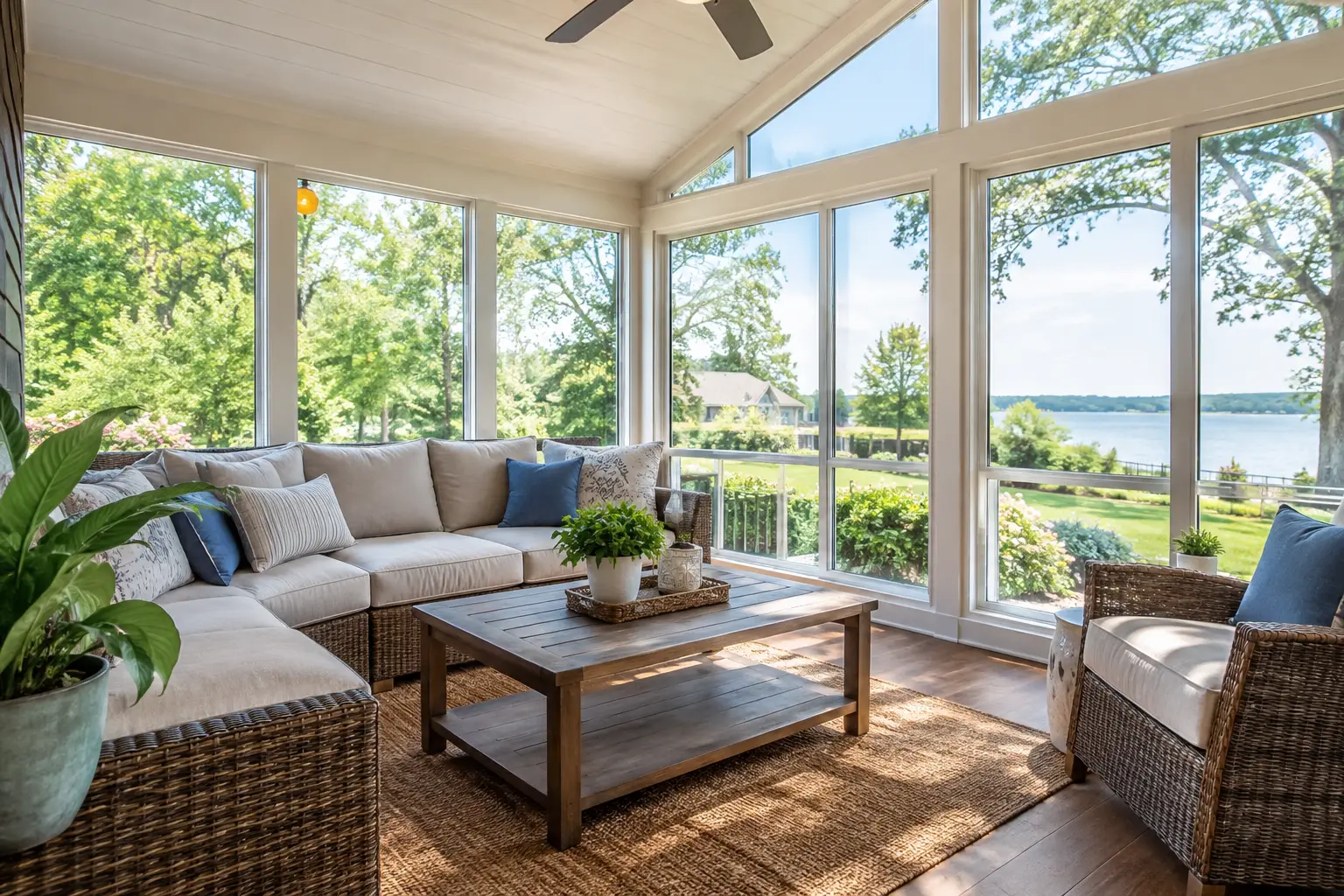
Is a sunroom worth it? See the costs, comfort factors, and value a well-planned sunroom can bring to homes in Mobile and Baldwin Counties, Alabama today.
Wood Versus Composite Decking for Alabama Homes
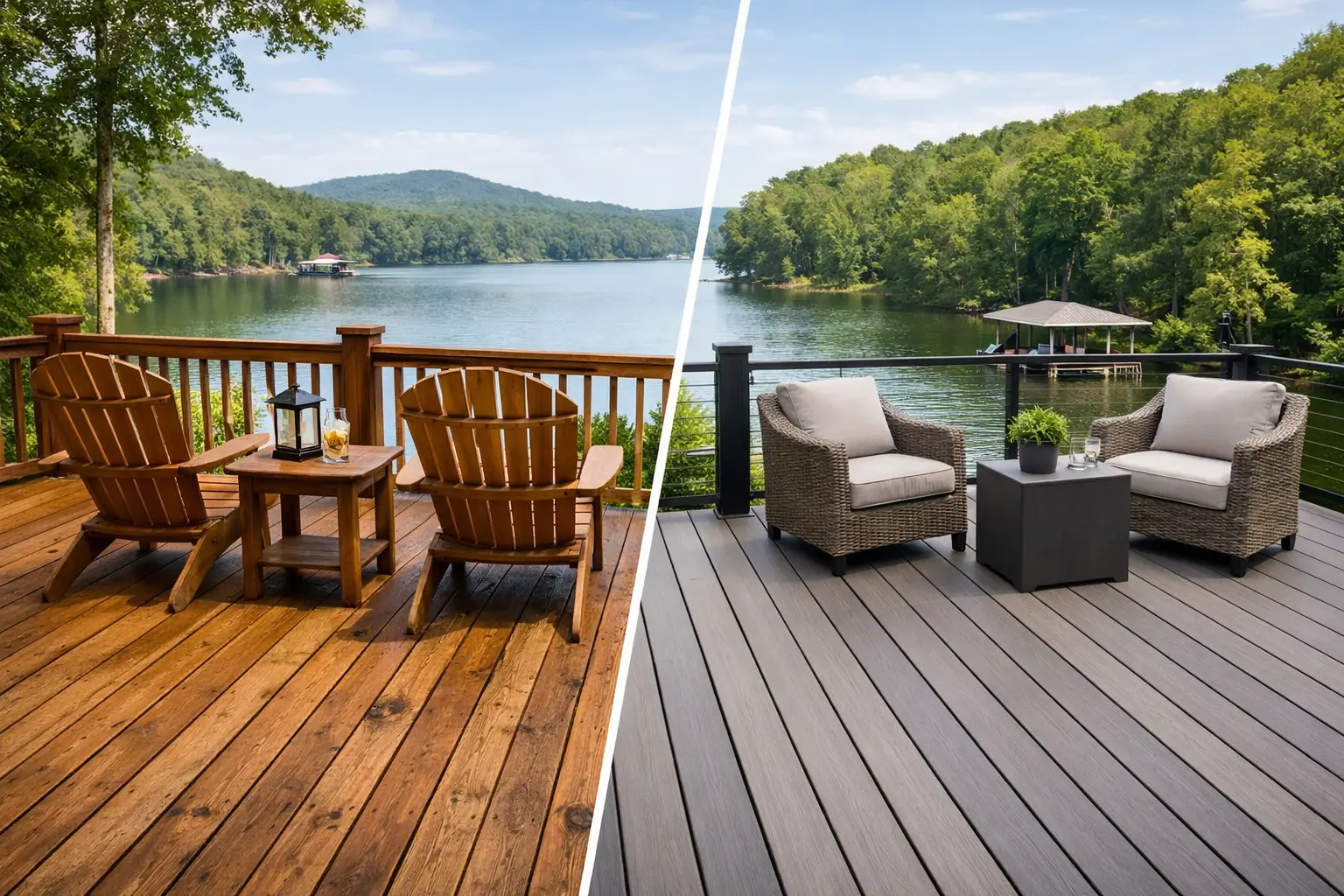
A deck along the Gulf Coast has a tougher job than one in a mild, dry climate. It needs to stand up to humid summers, heavy rain, intense sun, pollen, and, in many areas, salty coastal air. When homeowners weigh wood versus composite decking, the right answer usually comes down to how they want to use the space, how much upkeep they are comfortable handling, and what they expect from their investment over time.
A beautiful deck should feel like an extension of the home, whether it is a quiet spot for morning coffee or the place where family gatherings naturally spill outside. Both wood and composite can create that space. The differences matter most after the project is finished and the seasons start doing their work.
Wood Versus Composite Decking: The Main Difference
Wood decking is a natural material, typically installed using pressure-treated lumber, cedar, or another rot-resistant species. It offers a traditional appearance, a familiar feel underfoot, and a lower starting price in many cases. It also requires regular attention to stay attractive and structurally sound in South Alabama weather.
Composite decking is made from a blend of wood fibers and recycled plastic, usually finished with a protective outer cap. It is designed to resist fading, staining, moisture, and insect damage better than traditional wood. The upfront cost is generally higher, but routine maintenance is considerably lighter.
Neither choice is automatically better for every home. A homeowner who enjoys maintaining a natural wood deck may see real value in lumber. Someone who wants more weekends outside and fewer spent sanding, staining, or replacing boards may find composite to be the better long-term fit.
Upfront Cost and Long-Term Value
For many homeowners, the first noticeable difference is price. Pressure-treated wood is often the most budget-friendly decking material to install. That can make it a practical option for a large deck, a first outdoor living project, or a home where the budget needs to cover other improvements at the same time.
Composite boards and their specialized fasteners usually cost more at installation. The total investment can rise further when a design includes picture-frame borders, hidden fasteners, stairs, built-in seating, railing upgrades, or multiple levels. Those features can look excellent in either material, but they should be accounted for early so there are no surprises later.
The long-term calculation is different. Wood typically needs periodic cleaning, sealing or staining, and occasional board replacement. Composite does not eliminate all care, but it does not need staining or sealing. Over many years, reduced maintenance costs and less time spent on upkeep can narrow the initial price gap.
Value also depends on how long you plan to stay in the home. If you expect to enjoy the deck for decades, composite may make more financial sense. If you are making a straightforward improvement with a tighter budget, a properly built and maintained wood deck can still be a sound investment.
How Each Material Handles Alabama Weather
Moisture is one of the biggest concerns for decks in Mobile and Baldwin Counties. Rain, high humidity, and shaded areas can encourage mildew and algae growth on any horizontal outdoor surface. Wood absorbs moisture, which can lead to swelling, cracking, warping, or rot if the boards are not protected and maintained.
Composite decking is highly resistant to moisture-related damage, which is a major advantage in our climate. It will not rot, splinter, or become a meal for termites the way wood can. That does not mean it is maintenance-free. Dirt, pollen, leaves, and mildew residue still need to be washed away, especially beneath furniture and in shaded corners where moisture lingers.
Sun exposure deserves equal attention. Wood can fade to a silvery gray if it is not sealed or stained. Some homeowners like that weathered look, while others prefer to refresh the color regularly. Quality capped composite is made to hold its color more consistently, though darker colors can still show dust and may become quite warm in direct afternoon sun.
If your deck will sit in full sun, ask to see large samples outside rather than choosing from a small indoor display. Color, texture, and surface temperature are easier to judge where the material will actually be used. Lighter composite colors may be more comfortable barefoot, while a shaded deck may give you more freedom with darker finishes.
Appearance, Feel, and Design Flexibility
Wood has a character that manufactured materials cannot fully duplicate. Its grain is natural, every board has slight variation, and it can be stained in a range of colors. For older homes, traditional architecture, or homeowners who simply prefer authentic lumber, wood can be the right visual choice.
Composite decking has come a long way in appearance. Many products now offer varied grain patterns and blended colors that avoid a uniform plastic look. It can be a strong match for contemporary homes, low-maintenance outdoor living areas, and projects where homeowners want a consistent finish from one board to the next.
Feel matters, too. Wood can develop splinters as it ages, particularly if it has gone through repeated wet and dry cycles. Composite is generally smoother under bare feet and is a popular choice around pools, although it may retain more heat in direct sunlight. A good design considers shade, airflow, board color, and how the family will use the deck, not just the material sample.
Maintenance Expectations You Can Live With
A wood deck needs a maintenance plan from day one. At minimum, it should be cleaned regularly to remove pollen, dirt, and organic buildup. Depending on the product, exposure, and condition of the boards, it will also need to be sealed or stained on a recurring schedule. Loose fasteners, cracked boards, and early signs of rot should be addressed promptly before small repairs become larger ones.
Composite decking generally needs seasonal washing with an appropriate cleaner and a soft brush or gentle rinse. Food spills, grease, and leaf debris should not be left sitting on the surface, particularly on decks with heavy tree cover. Follow the manufacturer’s care instructions, since using the wrong cleaner or excessive pressure can damage the finish.
The framing beneath the deck deserves just as much attention as the boards above it. Proper footings, flashing at the house, drainage, ventilation, and corrosion-resistant connectors are essential in our wet, coastal environment. Premium decking installed over poor framing will not perform the way it should. Quality craftsmanship starts with the structure you may never see once the project is complete.
When Wood Is the Better Choice
Wood can be the right material when a natural appearance is the priority and you are willing to maintain it. It can also be a sensible choice for homeowners who want to maximize square footage within a defined budget. With proper design, quality materials, and consistent care, a wood deck can provide many enjoyable years of use.
It is especially worth considering when a home’s style calls for traditional details or when the deck will be partially covered and protected from the harshest sun and rain. The key is being realistic about the care it will require. A wood deck rewards attention, but it does require it.
When Composite Is the Better Choice
Composite is often the better fit for homeowners who want dependable performance with less ongoing work. It works well for busy families, retirees, second homes, and anyone who would rather spend a Saturday using the deck than refinishing it. Its resistance to rot, insects, and splintering is particularly valuable in coastal Alabama conditions.
It can also make sense for a high-use outdoor area with stairs, railings, or a poolside transition, where bare feet and frequent traffic are part of everyday life. The initial investment is higher, but the convenience and lasting appearance can be worth it for the right project.
Make the Decision Around Your Home, Not a Sales Pitch
The best decking choice is the one that fits your home’s exposure, your preferred style, your budget, and the level of maintenance you can honestly commit to. A shaded historic home in Mobile may call for a different solution than a sun-soaked backyard in Fairhope or a waterfront property near Daphne.
Before selecting boards, look at the entire project: drainage, shade, access from the house, railing needs, future maintenance, and how the space will be used year after year. A thoughtful plan and careful construction give either wood or composite the foundation it needs to serve your family well. When you are ready to talk through those details, Integrity Remodeling & Construction can help you weigh the options with clear communication and a practical plan for your home.
Related Posts